
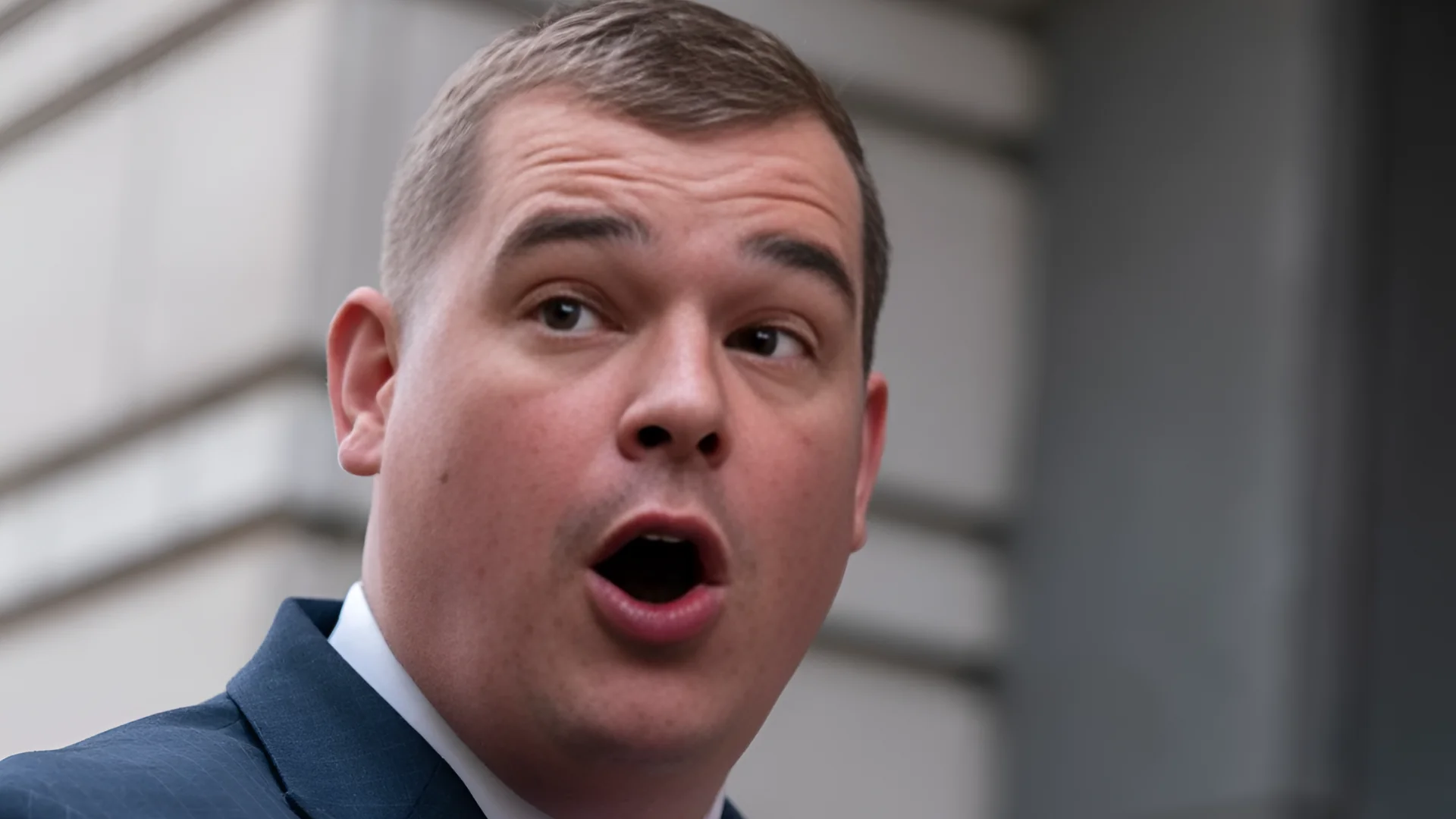
The Trump administration's Justice Department announced on May 18, 2026, the creation of a $1.776 billion "Anti-Weaponization Fund" — a compensation mechanism for individuals who claim they were subjected to politically motivated federal investigations. Within 48 hours, watchdog groups had announced legal challenges and the House Judiciary Committee's ranking Democrat had moved to subpoena the fund's architects.
A Lawsuit Settlement That Became Something Broader
The fund's legal origin is a $10 billion suit filed by Donald Trump and his sons against the IRS and Treasury Department following the illegal leak of Trump's tax records by former IRS contractor Charles Littlejohn. Littlejohn was sentenced to five years in prison in 2024 after pleading guilty. The settlement that resolved that suit used that legal vehicle to establish a fund far wider in scope than the original injury: the $1.776 billion pool is intended to compensate any person who claims they were targeted by what the administration characterizes as "weaponization" of government, specifically during the Biden administration.
Acting Attorney General Todd Blanche described it as a lawful process for alleged victims of government overreach to seek redress, and argued the arrangement protects taxpayers from the cost of defending a wave of individual lawsuits. The gap between the fund's triggering lawsuit — a narrow tax-records claim — and its operative scope is not explained in the settlement's stated rationale.
Commission Structure With No Mandatory Public Disclosure
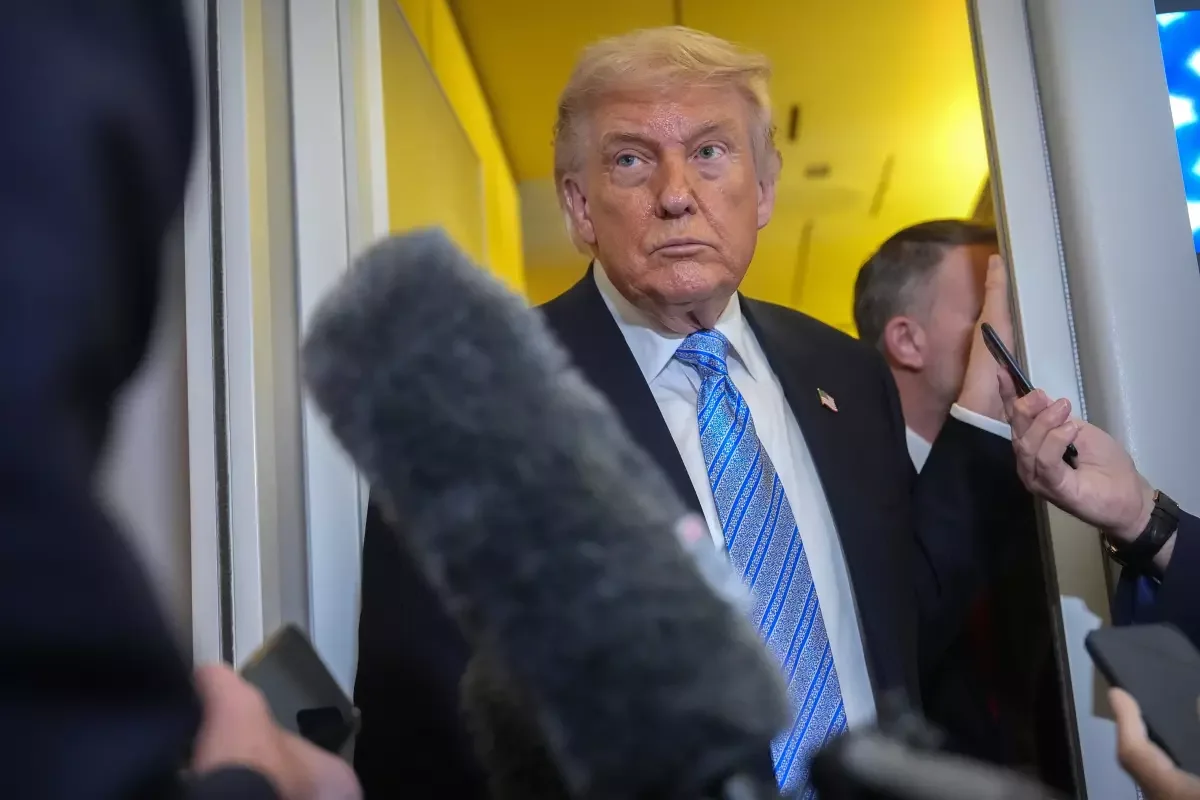
The fund will be governed by a five-member commission. Four of the five members are appointed by the Attorney General and are removable by the President. The fifth is chosen in consultation with congressional leadership. The commission will evaluate individual claims based on evidence strength, the claimant's own conduct, attorney's fees, and time served in prison, and may issue formal apologies on behalf of the federal government.
Quarterly reports are submitted confidentially to the U.S. Attorney General. There is no legal requirement under the settlement that payments, recipients, or commission decisions be made public. A separate clause in the agreement states that once funds are transferred into the designated account, the United States holds no liability for fraudulent transfers, bank failure, or misuse of those funds. That provision is notable: it severs the federal government's accountability for the money at the moment of disbursement, leaving claimants and the public with no recourse through standard federal mechanisms if something goes wrong.
January 6 Claimants and the Unanswered Eligibility Question
Attorney Mike Howell, an ally of the DOJ pardon attorney, has applied to join the commission's oversight board. Howell has also proposed organizing a national gathering of what he called thousands of victims of weaponization — explicitly including individuals involved in the January 6, 2021, Capitol attack.
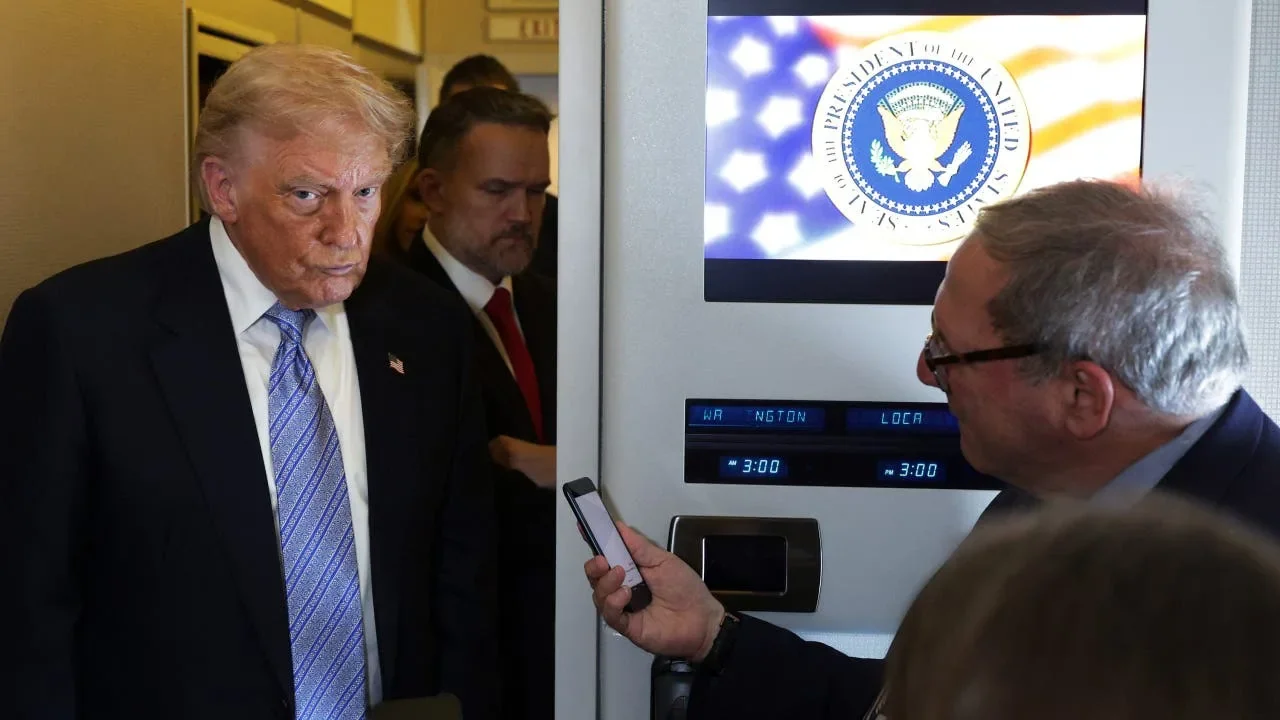
That raises a concrete eligibility question the settlement does not resolve in writing. When CNN's Paula Reid pressed Blanche on whether January 6 participants could qualify, Blanche said a claimant would essentially have to declare they assaulted a police officer in order to test the commission's standards. That is a rhetorical statement of intent, not a formal eligibility rule. The commission's actual discretion on this category of applicants remains undefined in the agreement itself.
Constitutional Challenges and Congressional Pushback
House Judiciary Committee Ranking Member Jamie Raskin delivered formal remarks on May 20, 2026, condemning the fund and moving to subpoena the architects of the settlement. Raskin's argument centers on the Constitution's appropriations clause: Congress holds the exclusive power of the purse, and establishing a federal compensation program of this scale through a settlement agreement — without a legislative appropriation — he characterized as unlawful on its face.
Watchdog organizations Citizens for Responsibility and Ethics in Washington (CREW) and the Democracy Defenders Fund have each announced plans to file legal challenges citing violations of the Constitution's domestic emoluments clause, which prohibits the federal government from providing financial benefits to the President or those connected to him through unofficial channels. Whether either argument survives standing review and reaches the merits remains to be seen; constitutional challenges to executive-branch fund structures have historically faced high procedural bars. But the combination of a subpoena demand from the ranking member of the House Judiciary Committee and imminent litigation from two established watchdog organizations means the fund's legal status is likely to be contested before it makes its first payment.
Paxton Defeats Cornyn in Texas Senate Runoff
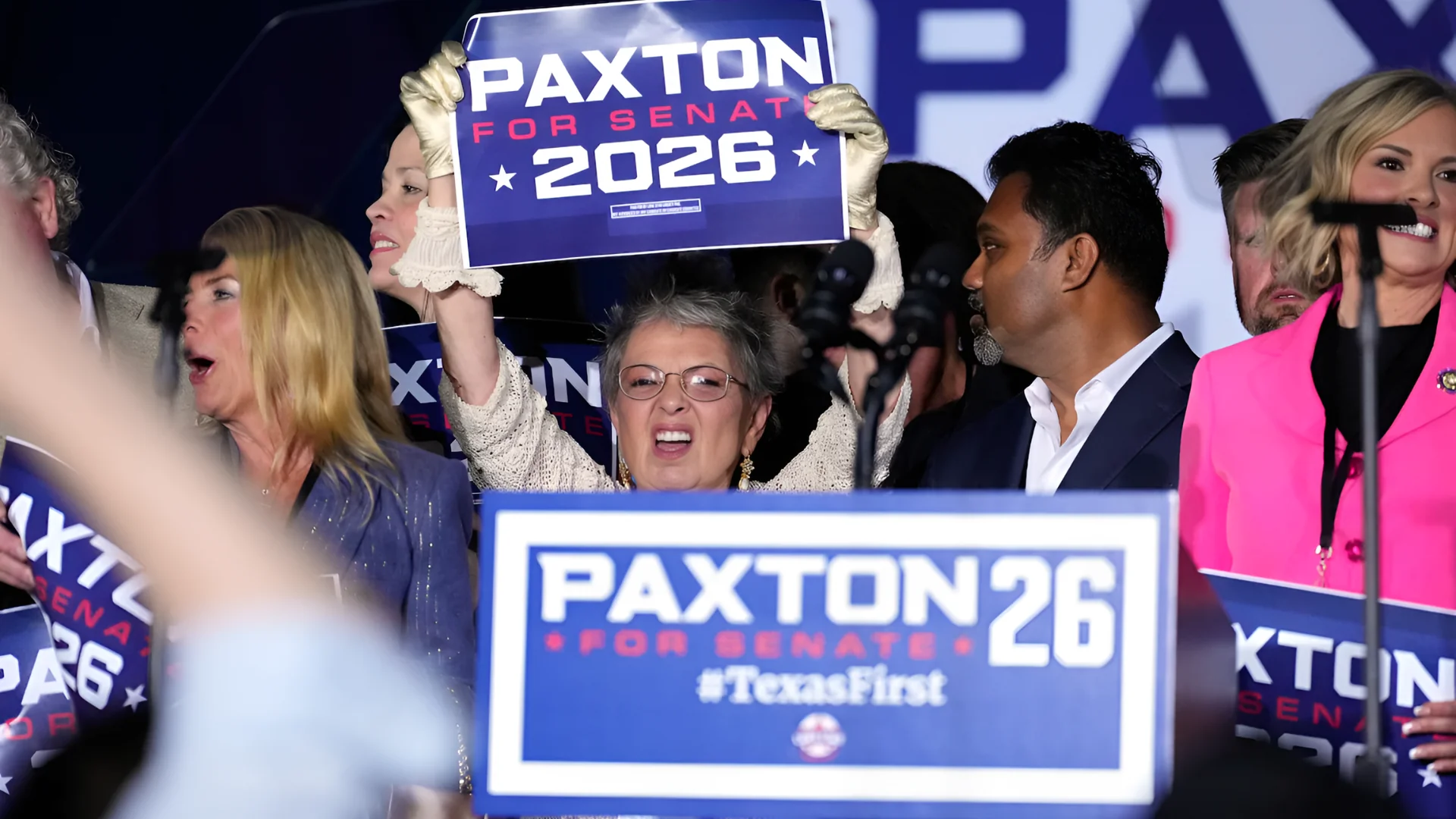
Ken Paxton won the Texas Republican U.S. Senate primary runoff on May 26, 2026, defeating four-term incumbent John Cornyn by nearly 28 points despite a 9-to-1 spending disadvantage, setting up a competitive general election against Democrat James Talarico.

Spain Blocks Polymarket and Kalshi Over Gambling Licences
Spain's DGOJ ordered ISPs to block Polymarket and Kalshi on May 26, 2026, citing no gambling licences, no age verification, and no self-exclusion controls. The action joins Indonesia, India, France, and others in a widening global split over how to classify prediction markets.

![Texas Attorney General Ken Paxton, a Republican candidate for the US Senate, speaks to supporters at a campaign event in McKinney, Texas, the US, on May 19, 2026 [LM Otero/AP]](/uploads/1779863798651-Trump-backed_Paxton_topples_Senator_Cornyn_in_Texas_primary_run-off.webp)
Ken Paxton Defeats John Cornyn in Texas Senate Primary
Ken Paxton defeated incumbent Senator John Cornyn in the May 26, 2026 Texas Republican primary runoff. The result tests whether Trump's political influence can hold a state Republicans have never lost at the Senate level.

Trump's DC Triumphal Arch: Legal Fight, Protests
A federal commission dominated by Trump appointees approved a 250-foot gilded arch near the Lincoln Memorial over near-unanimous public objection, a veterans' lawsuit, and questions about public funding.
Comments (0)
Please sign in to join the discussion.
No comments yet.
Be the first to share your perspective on this topic.