
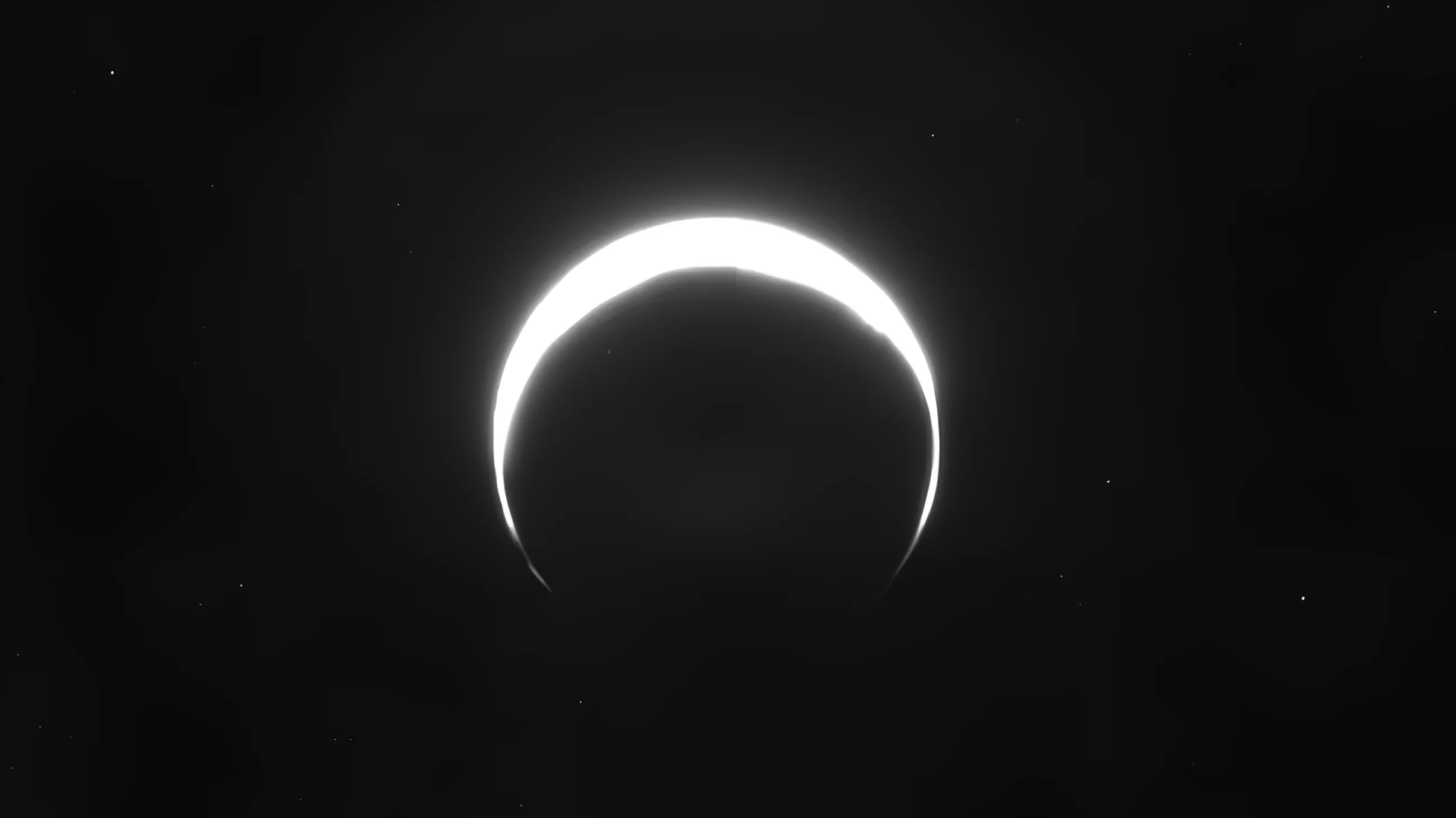
On May 15, 2026, NASA's Psyche probe swung within roughly 2,800 miles of the Martian surface — closer than either of Mars's own moons — and used the planet's gravity to bend its path and accelerate toward the asteroid belt. The maneuver was not a scientific detour. It was the only practical route.
From Earth to Asteroid 16 Psyche: A Six-Year Journey
Psyche launched on October 13, 2023, aboard a SpaceX Falcon Heavy rocket. For the first two and a half years it traveled outward from Earth, and by May 3, 2026, it was close enough to photograph Mars from roughly 3 million miles away. The May 15 flyby marked the last major trajectory event before the spacecraft continues on a multi-year arc to asteroid 16 Psyche, which sits in the main asteroid belt between Mars and Jupiter. Arrival is expected in August 2029, after which the probe will spend approximately 21 months in orbit — through late 2031 — studying the asteroid's composition and structure.
The timeline below shows the mission's key milestones from launch through the end of the planned science orbit.
What the Mars Flyby Actually Did to the Spacecraft
The flyby was not a coincidence of orbits. It was planned to accomplish three specific things: bend the spacecraft's flight path, tilt its trajectory to match the orbital plane of asteroid 16 Psyche, and add velocity — all without burning propellant.
At its closest point, Psyche passed within approximately 2,800 miles (4,500 kilometers) of the Martian surface, moving at roughly 12,333 miles per hour (19,848 kilometers per hour). That path placed it inside the orbits of both Phobos and Deimos, Mars's two moons. The gravitational interaction at that distance was strong enough to produce a measurable change in the spacecraft's speed and direction — what engineers call a delta-v — that would otherwise have required many months of continuous ion-engine firing to replicate.
Mission planning lead Sarah Bairstow at NASA's Jet Propulsion Laboratory confirmed the maneuver went as designed, noting the spacecraft was "exactly on target" and that the flight computer had been pre-loaded with every instruction for the encounter. JPL teams tracked the trajectory adjustment by measuring the Doppler shift in radio signals relayed through NASA's Deep Space Network.
The three flyby metrics below capture the geometry of the encounter.
Why Ion Propulsion Makes the Flyby Necessary
Psyche's propulsion system is a key reason this flyby was engineered into the mission plan from the start. The spacecraft uses solar-electric propulsion: sunlight powers Hall-effect thrusters that ionize xenon gas and expel it to generate thrust. The system is exceptionally fuel-efficient compared to chemical rockets, but it produces very low thrust at any given moment — a gentle, continuous push rather than a burst.
That efficiency comes with a constraint. Accumulating enough velocity to reach asteroid 16 Psyche on a direct trajectory, and to arrive in the correct orbital plane, would require the ion engines to fire for an impractically long period. The Mars gravity assist provides what mission principal investigator Lindy Elkins-Tanton described plainly: "the only reason for this flyby is to get a little help from Mars to speed us up and tilt our trajectory in the direction of the asteroid Psyche." The gravitational encounter delivered that delta-v for free — no xenon consumed.
The secondary benefits were real but explicitly secondary. The probe's imaging instrument captured Mars as a thin crescent on approach, then as a near-full disk on departure — a geometry that imager lead Jim Bell of Arizona State University noted offers useful calibration data as well as "plain beautiful photos." The magnetometer measured how Mars's magnetic field deflects solar particles, and the gamma-ray and neutron spectrometer recorded changes in cosmic-ray flux. The imaging team also scanned for a hypothesized faint dust ring around Mars created by micrometeorite impacts on its moons, using the observation as rehearsal for similar searches at asteroid 16 Psyche.
The chart below summarizes the propulsion system's key operating characteristics and what the gravity assist substituted for.
The Destination: A Possible Planetary Core
Asteroid 16 Psyche, the mission's ultimate target, is roughly 173 miles (280 kilometers) wide and sits in the main asteroid belt. It is classified as an M-type — metallic — asteroid and is the heaviest known object of its kind. Scientists hypothesize it may be the exposed iron-nickel core of an ancient planetesimal that lost its outer rocky layers to violent collisions billions of years ago. If that hypothesis holds, studying it directly would offer a window into how the cores of rocky planets, including Earth, formed — layers that are otherwise permanently inaccessible.
The mission is described in detail on NASA's Psyche mission page as the first mission to a world made predominantly of metal rather than rock or ice. Whether 16 Psyche truly represents a core remnant remains a hypothesis to be tested in orbit starting in August 2029. The gravity assist that Psyche just completed was the last large trajectory correction before that test begins.
Related Stories
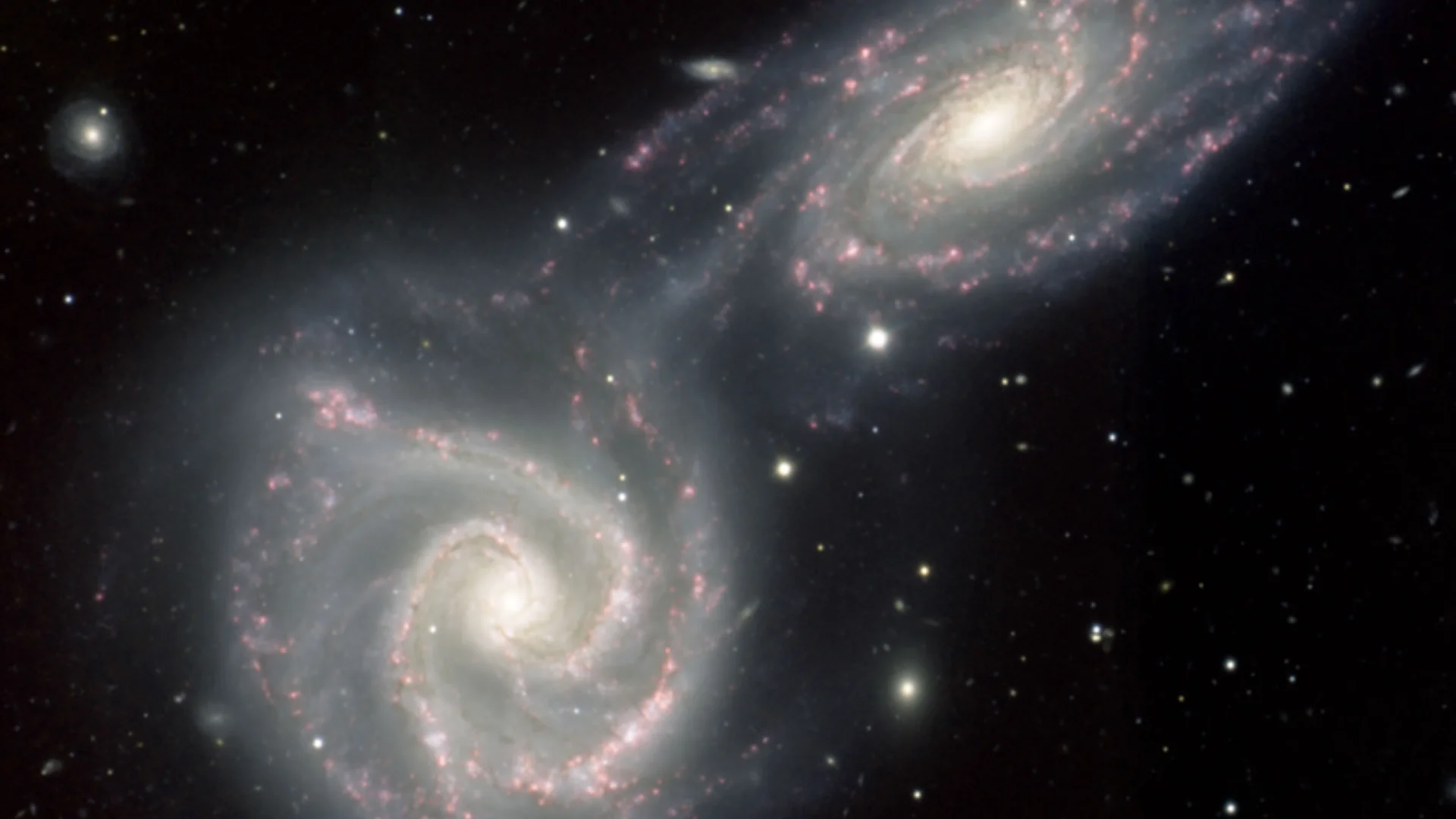
Why Scientists Still Can't Measure Big G Precisely
Despite centuries of effort and modern precision instruments, Newton's gravitational constant G is known to only 3 significant figures. NIST and BIPM are running a rare cross-laboratory replication to find out why high-precision experiments keep disagreeing.
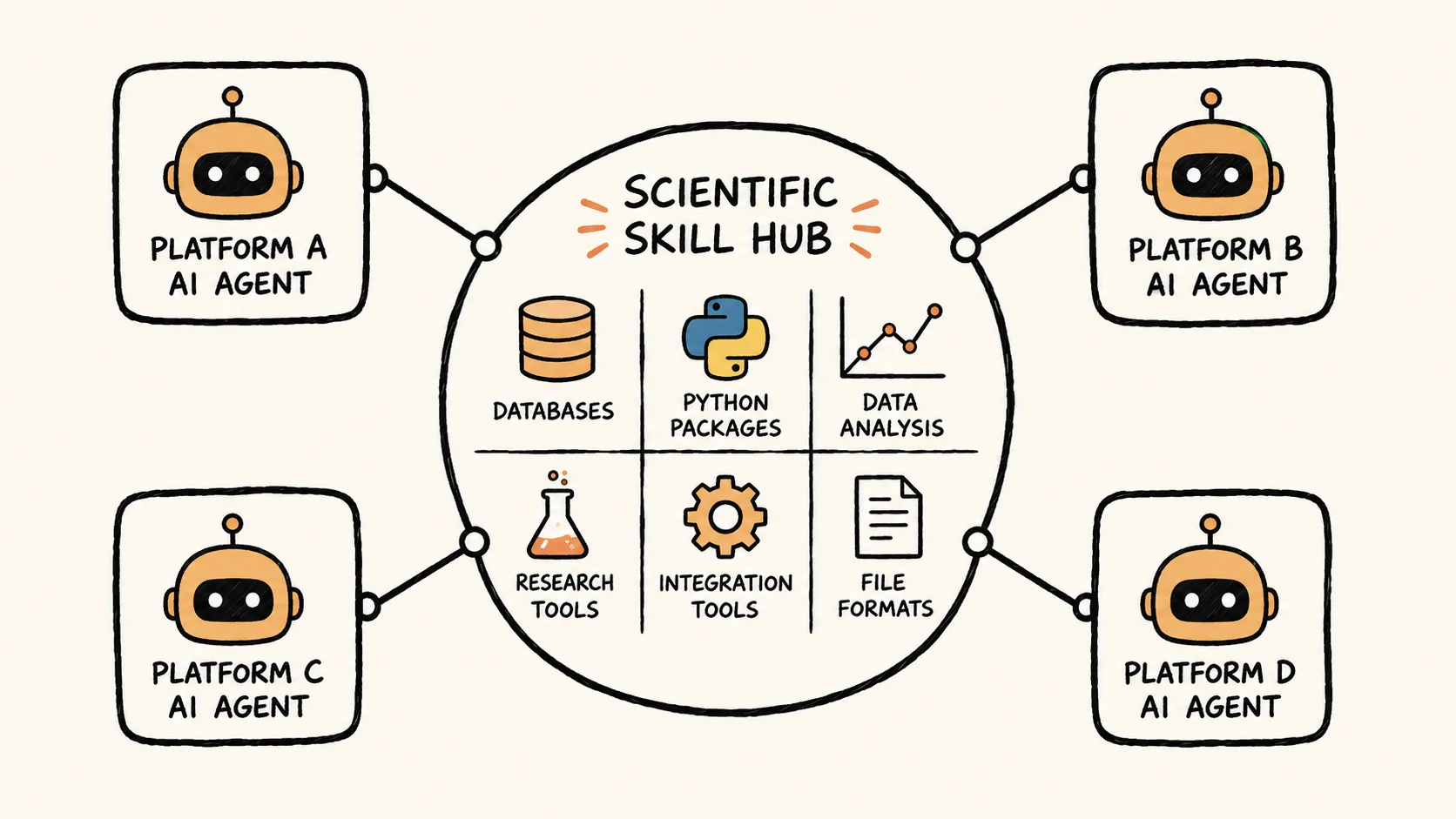
Scientific Agent Skills: 135 Open-Source AI Research Tools
K-Dense has renamed its open-source repository to Scientific Agent Skills and launched K-Dense BYOK, a desktop co-scientist supporting 40+ models and local-to-cloud scaling via Modal.

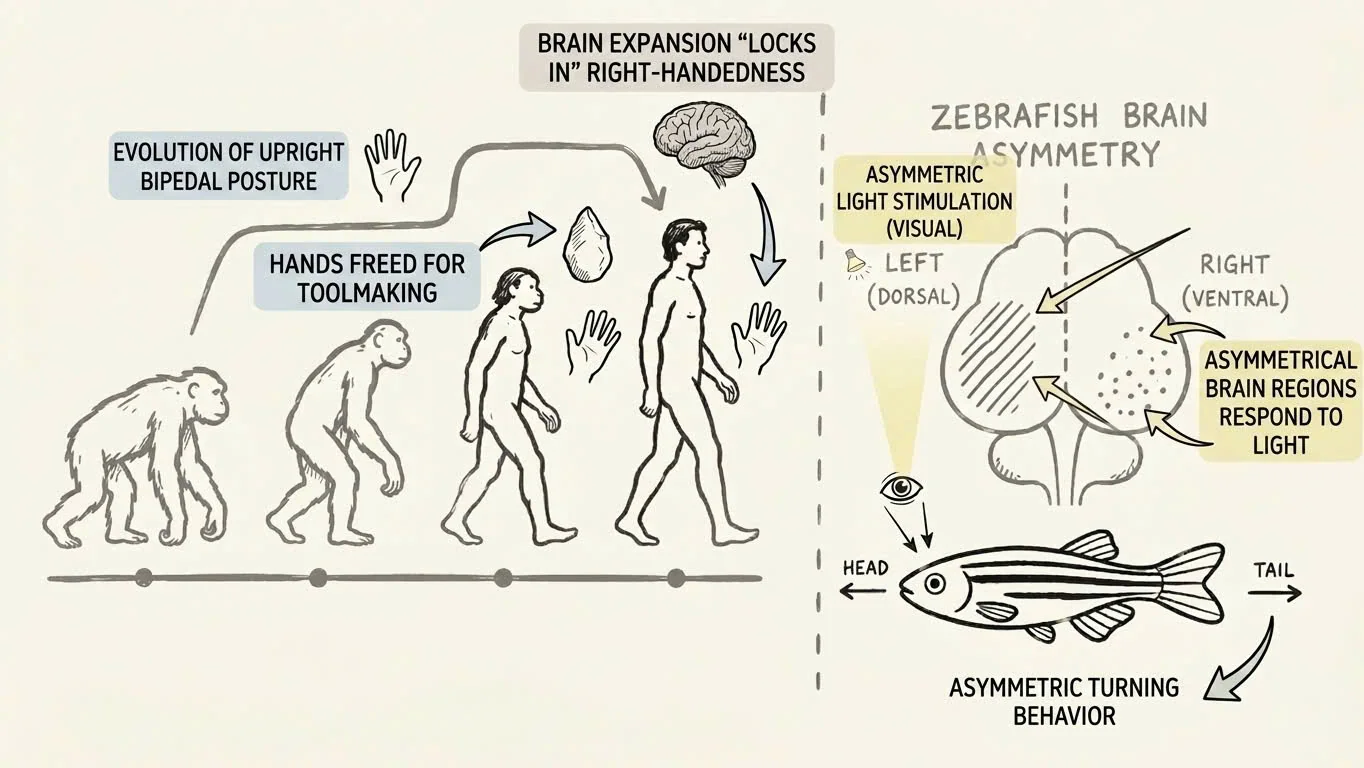
Why Almost Everyone Is Right-Handed
New Bayesian modeling across 2,025 primates shows that walking upright and encephalization, not culture or tool use alone, explain why ~90% of humans favor their right hand.
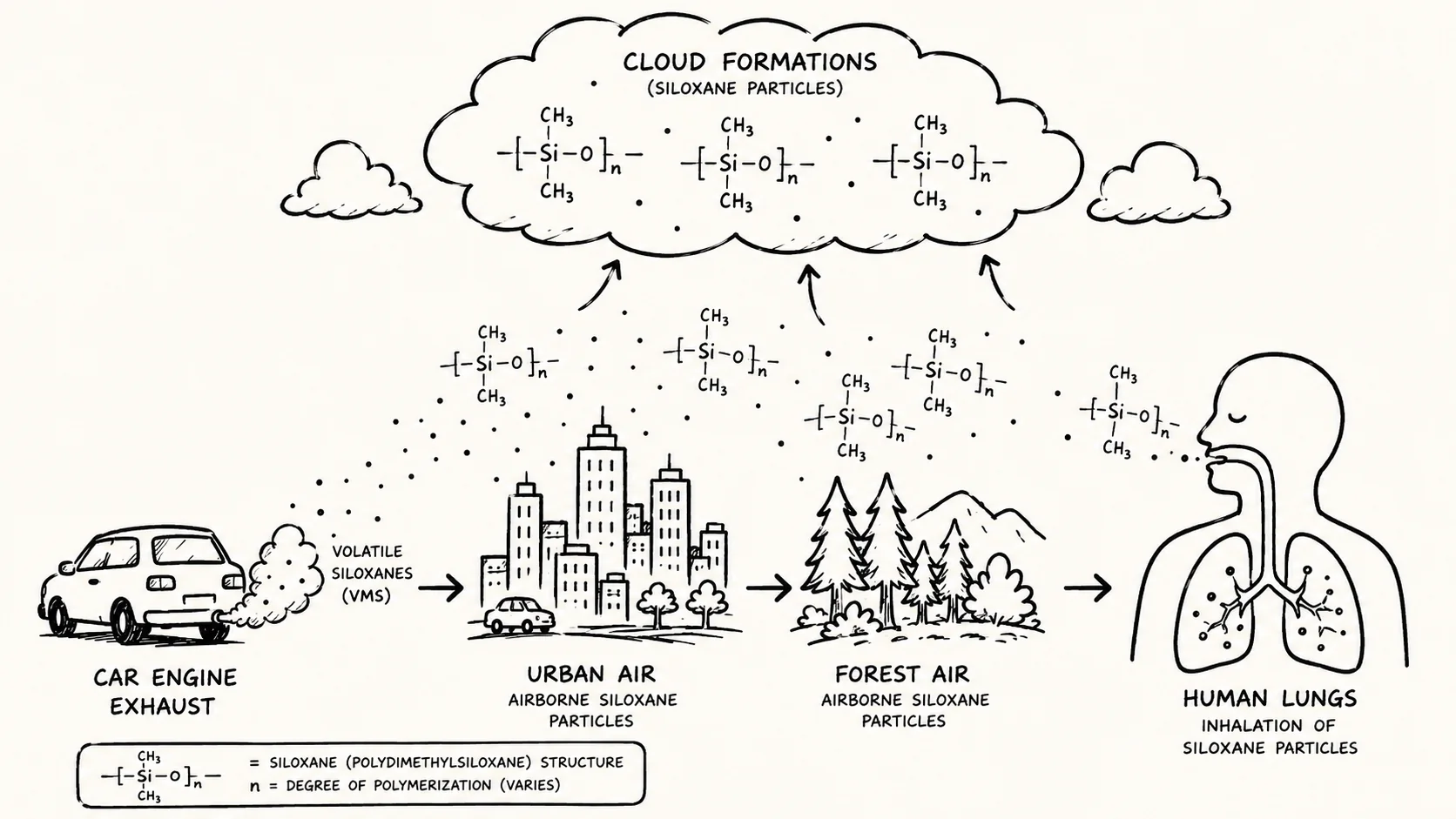
Silicone Pollutants From Car Exhaust Found Globally
Researchers measured methylsiloxanes in atmospheric samples globally, tracing the source to vehicle exhaust and raising questions about human inhalation exposure and cloud formation interference.
Comments (0)
Please sign in to join the discussion.
No comments yet.
Be the first to share your perspective on this topic.