
Fourteen consumers and three small businesses, including PC retailers, have sued Samsung Electronics, SK hynix and Micron in a California federal court, accusing the three companies that control most of the world's DRAM supply of coordinating a price surge that the complaint puts at roughly 700% over four years.
A 700% DRAM Price Climb Becomes a Federal Antitrust Complaint
The suit, filed June 25, alleges the three chipmakers colluded on DRAM supply and pricing starting in 2022. The plaintiffs are represented by Bathaee Dunne, the antitrust firm that previously won a collusion case against Google over digital advertising, and the firm is seeking certification of a much broader class covering any US consumer or business that bought a product containing DRAM. That distinction matters: as filed, the case involves a small group of plaintiffs, but a successful certification would let the same claims apply to a far larger pool of buyers.
The complaint identifies Apple's recent price increases across its Mac and iPad lines as the trigger that pushed the plaintiffs toward litigation, rather than the original cause of the alleged price-fixing itself.
How the HBM Transition Allegedly Became a Supply Squeeze
The mechanism described in the complaint is specific: the three companies are accused of reducing standard DRAM output under the cover of shifting manufacturing capacity toward high-bandwidth memory for AI accelerators, while coordinating the early discontinuation of older DDR3 and DDR4 modules that PC makers and smaller device manufacturers still depend on. The plaintiffs frame this as deliberate supply tightening rather than a neutral product-cycle transition.
That framing is the contested part of the case. A shift toward HBM capacity is a real industry trend, driven by demand from AI hardware, and discontinuing legacy memory standards is something chipmakers do as a matter of course. What the complaint has to prove is that the timing and scale of that shift were coordinated between three competitors rather than each pursuing its own roadmap. The filing does not yet establish that distinction; it asserts it. The downstream effect, however, is not in dispute: buyers of DDR3 and DDR4-dependent hardware have been absorbing sharply higher prices, part of a broader pattern in which enterprise buyers already absorbing higher hardware costs elsewhere in the chip supply chain are seeing memory costs compound that pressure.
A Class-Action Push Lands on Chipmakers With a Price-Fixing Record
The legal stakes turn on certification. As filed, the case represents 17 named plaintiffs. Bathaee Dunne is seeking to expand that to a class covering all US consumers and businesses that bought DRAM-containing products, a group that would be vastly larger than the current filing. If a court grants certification and the plaintiffs ultimately win, US antitrust law allows treble damages, meaning the defendants could be ordered to pay three times the proven harm.
The case lands on companies with relevant history. Samsung and SK hynix were both found guilty of DRAM price-fixing in the early 2000s, a case that produced large corporate fines and prison sentences for executives involved. That record does not establish guilt in the current case, but it is the kind of prior conduct that plaintiffs' lawyers and courts weigh when assessing whether a pattern is plausible.
For now, the practical impact looks limited. Analysts at Jefferies expect the lawsuit to have no effect on memory chip pricing or supply through the end of 2026, since litigation of this kind typically moves through certification and discovery over months or years before any finding of liability. The filing is a legal event, not yet a market one — and whether DRAM pricing keeps climbing in the meantime will likely be decided by supply and demand for HBM, not by a courtroom.

CoreWeave and Nebius Are Chasing $145 Billion in AI Deals on $16 Billion of Revenue
Microsoft, Meta and Nvidia have committed more than $145 billion to neoclouds CoreWeave and Nebius, whose combined 2026 revenue is projected near $16 billion.
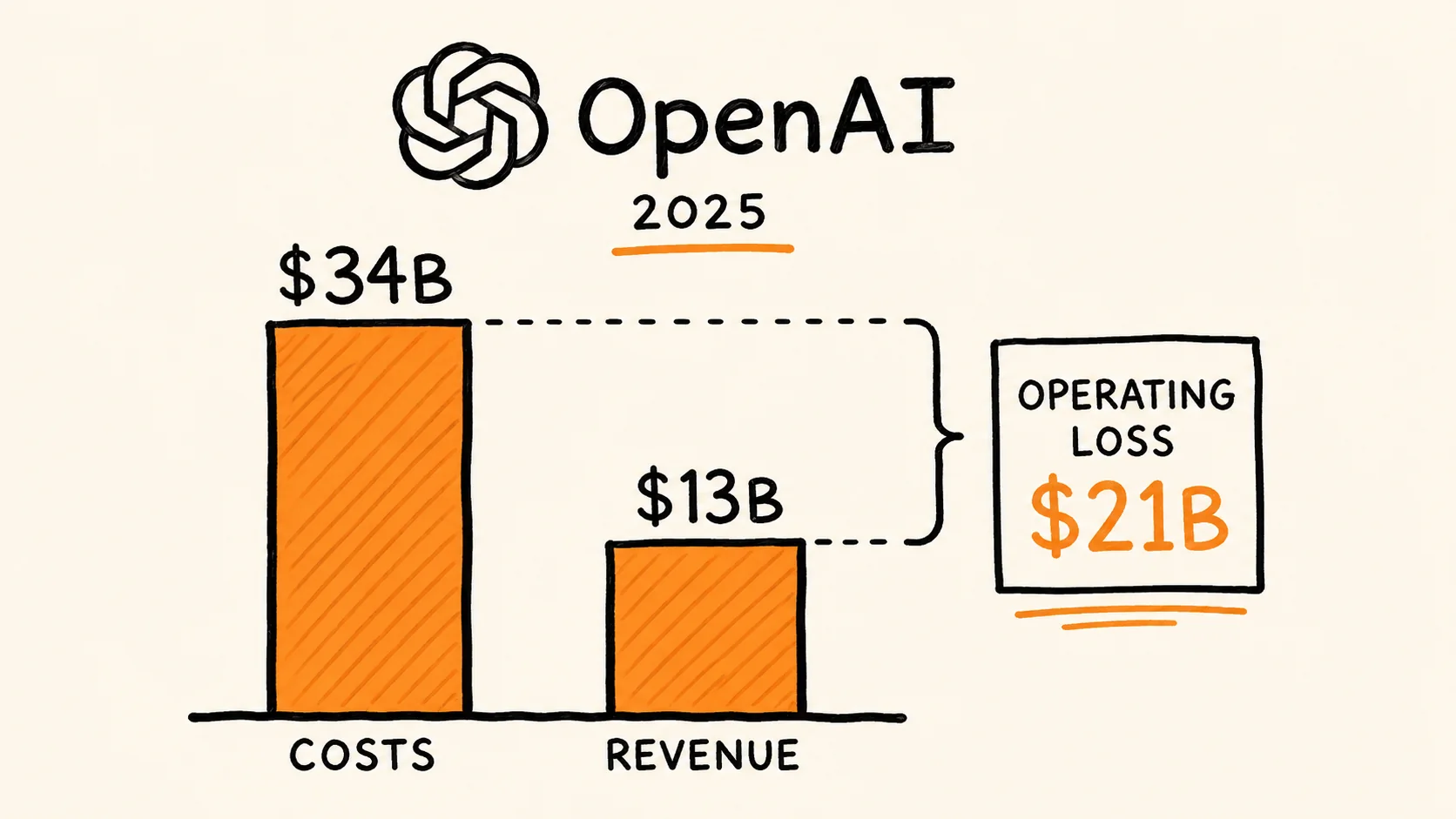
The AI Subsidy Era Is Ending — and Enterprise Buyers Are Getting the Bill
A data-grounded analysis of the AI subsidy model's structural unsustainability, OpenAI's 2025 financial losses, and the 2026 pivot to token-based pricing that is already shocking enterprise customers.
Comments (0)
Please sign in to join the discussion.
No comments yet.
Be the first to share your perspective on this topic.