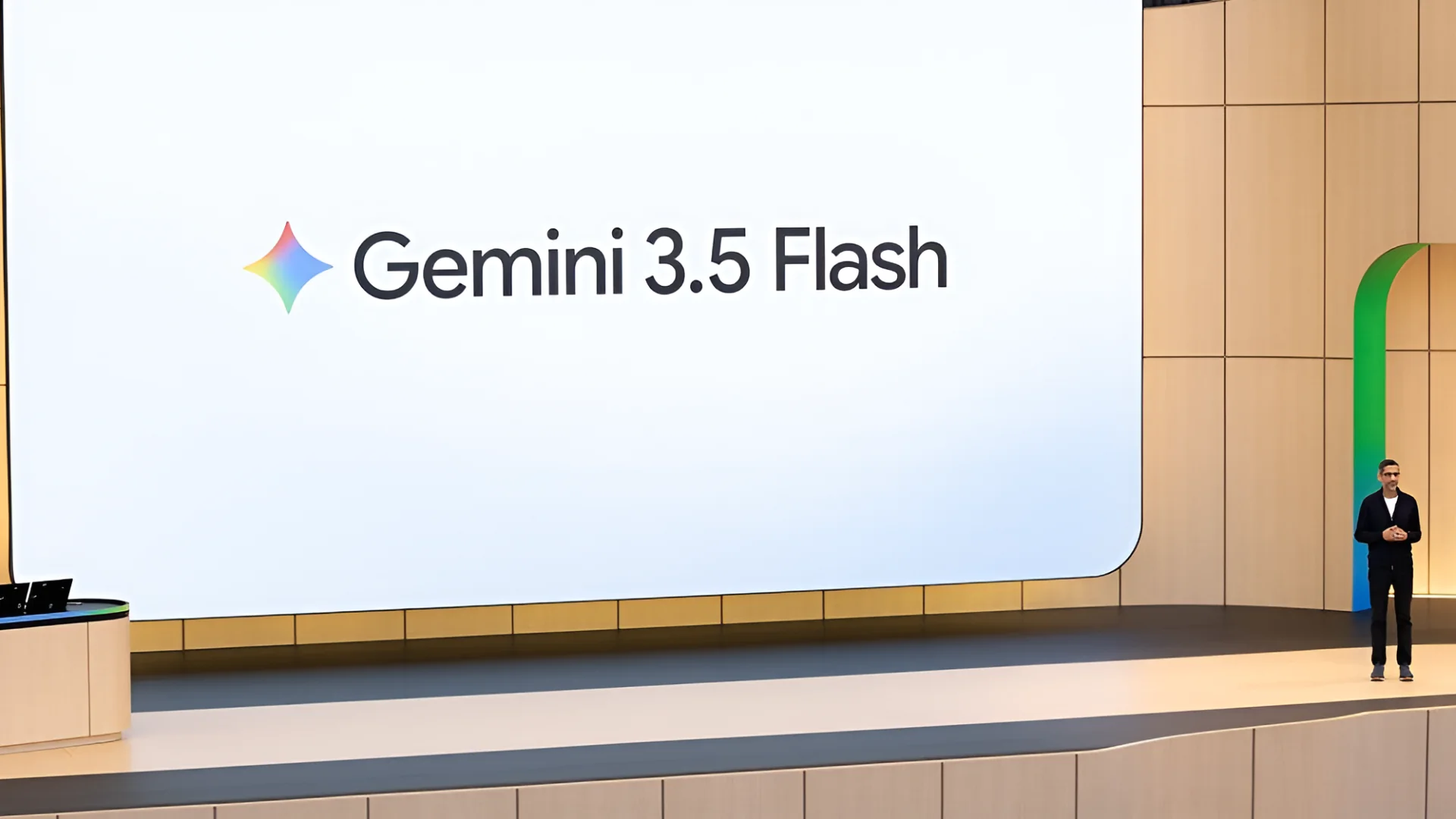
Google I/O 2026: Gemini 3.5, Spark Agent, AI Ultra
Google announced Gemini 3.5 Flash, Gemini Omni, the Spark autonomous agent, and a three-tier subscription restructure at its I/O 2026 developer conference on May 19–20.
At the frontiers of digital innovation, BytePith Technology explores everything from the ethical implications of artificial intelligence to the latest breakthroughs in consumer hardware. Our technical writers and engineers provide deep dives into software architecture, the evolution of the web, and the gadgets that redefine our daily lives. We are committed to documenting how technology reshapes human society and the technical milestones that drive us forward.
Google announced Gemini 3.5 Flash, Gemini Omni, the Spark autonomous agent, and a three-tier subscription restructure at its I/O 2026 developer conference on May 19–20.
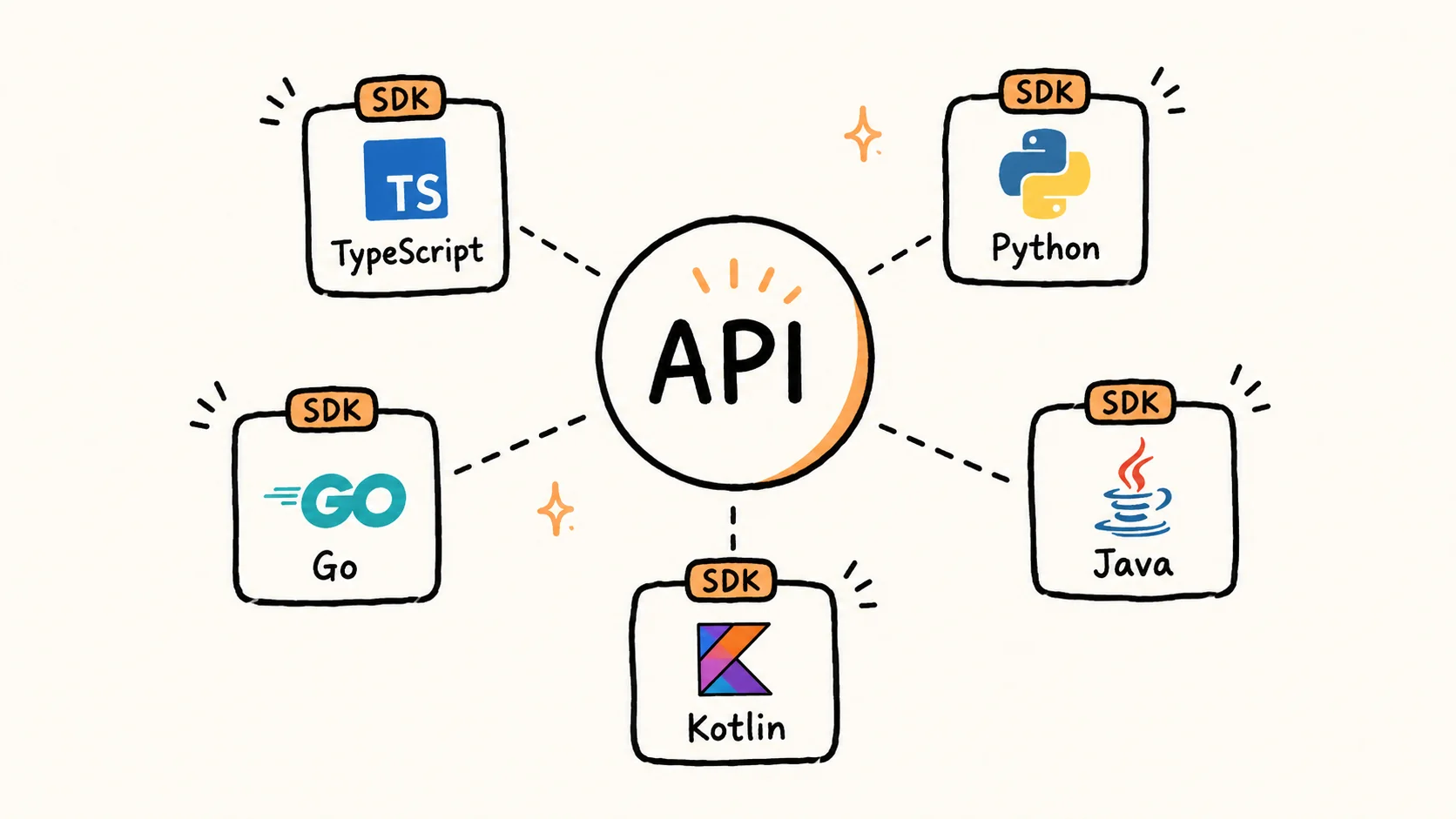
Anthropic acquired SDK tooling company Stainless on May 18, 2026. The Stainless team joins Anthropic's Claude Platform group; hosted products including the SDK generator are shutting down.

Xiaomi officially confirmed a May 28, 2026, global launch for the 17T and 17T Pro. Leaked promo material reveals full specs, MediaTek chipsets, Leica optics, and unconfirmed EU pricing starting at €749.
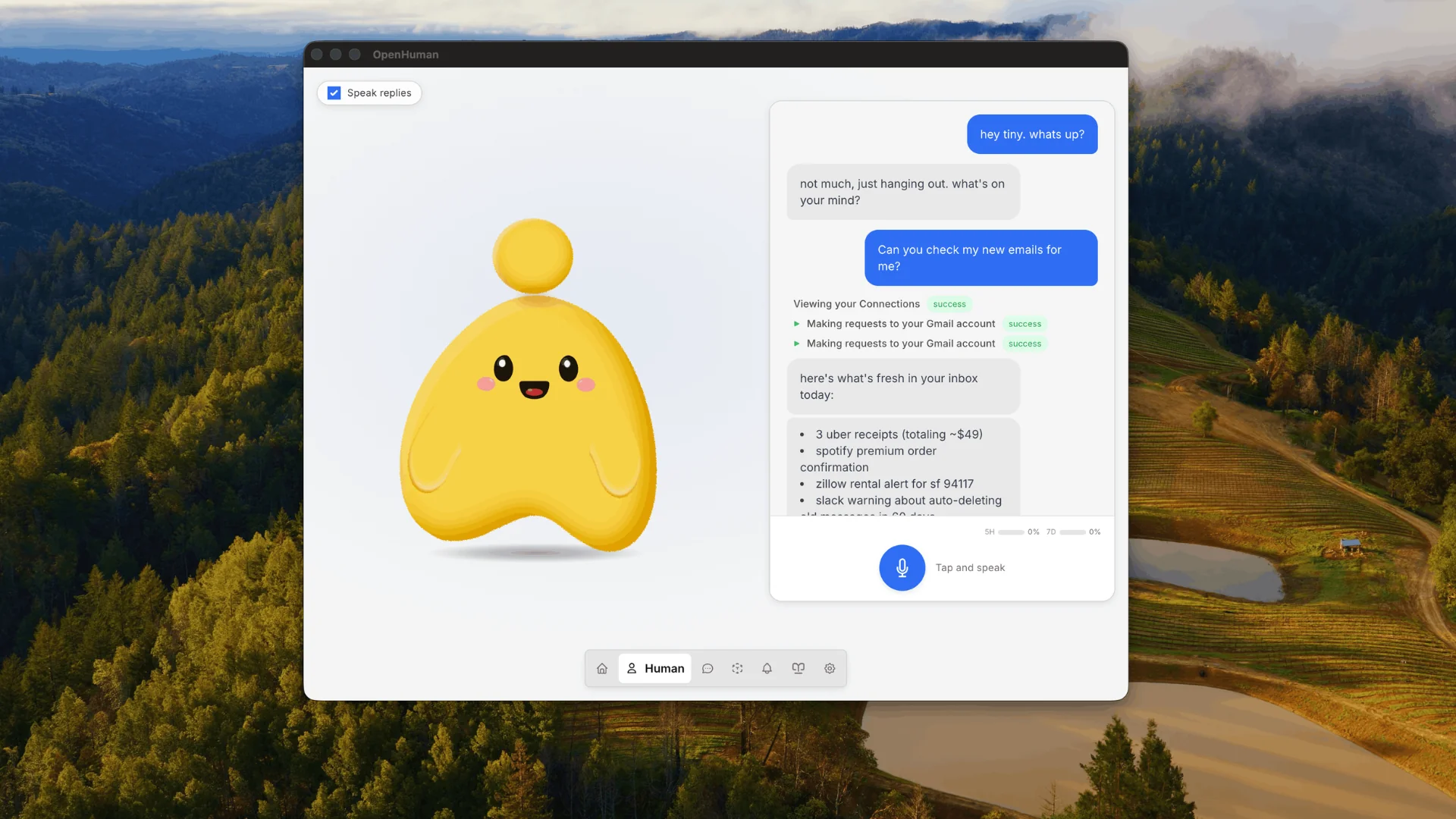
OpenHuman is an early-beta, GNU-licensed desktop agent by tinyhumansai that locally stores context from 118 integrations and routes tasks across multiple LLMs without a cloud dependency.
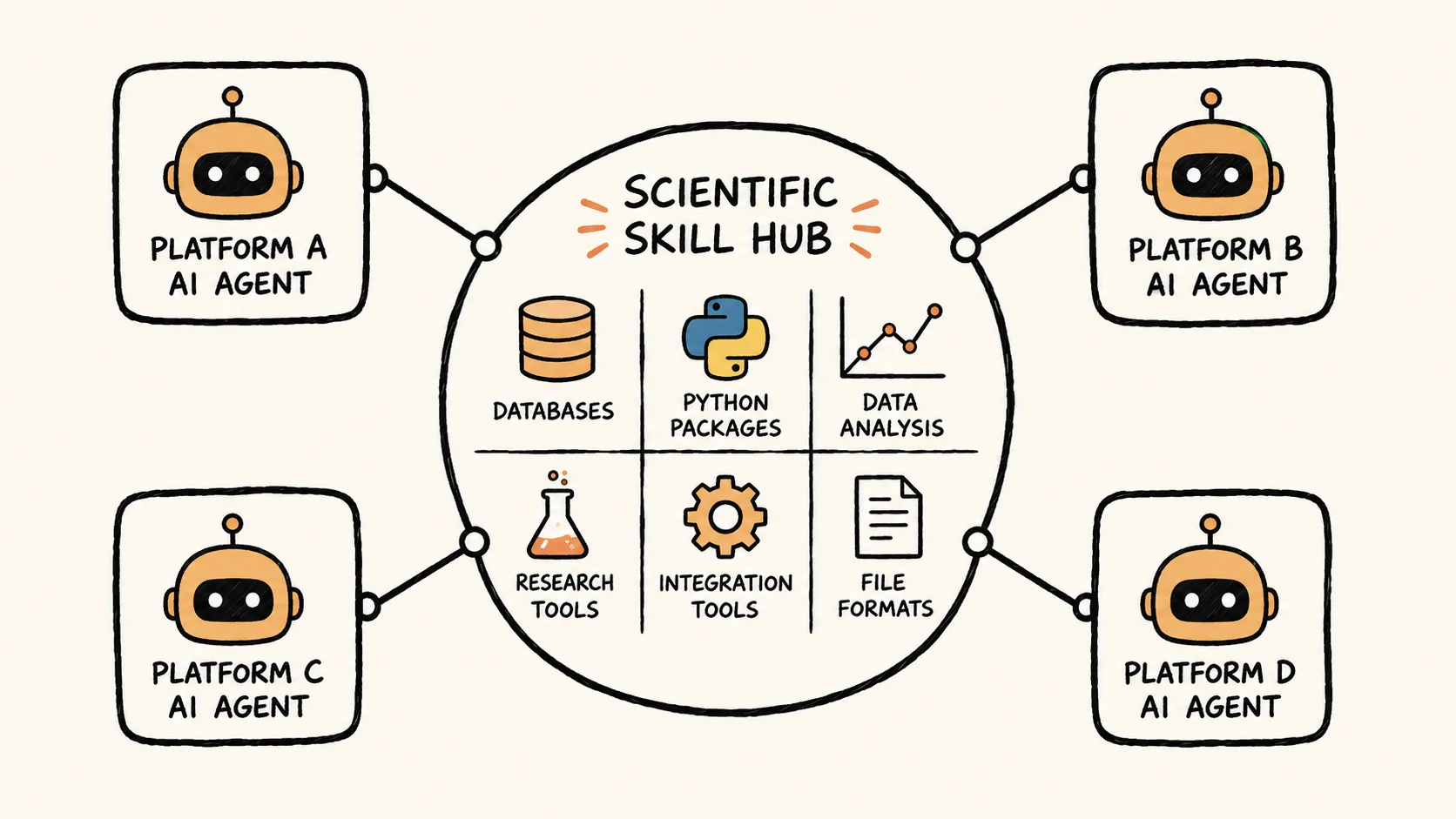
K-Dense has renamed its open-source repository to Scientific Agent Skills and launched K-Dense BYOK, a desktop co-scientist supporting 40+ models and local-to-cloud scaling via Modal.

Reports suggest Samsung will remove Fan-Out Panel Level Packaging from the Exynos 2700, trading thermal efficiency for lower production costs and more predictable yield rates on its 2nm chip.
Reports suggest Qualcomm's 2026 flagship chip could cost OEMs up to $290, a sharp rise driven by TSMC N3P process economics, with a broader product tier strategy intended to protect mid-range Android makers.
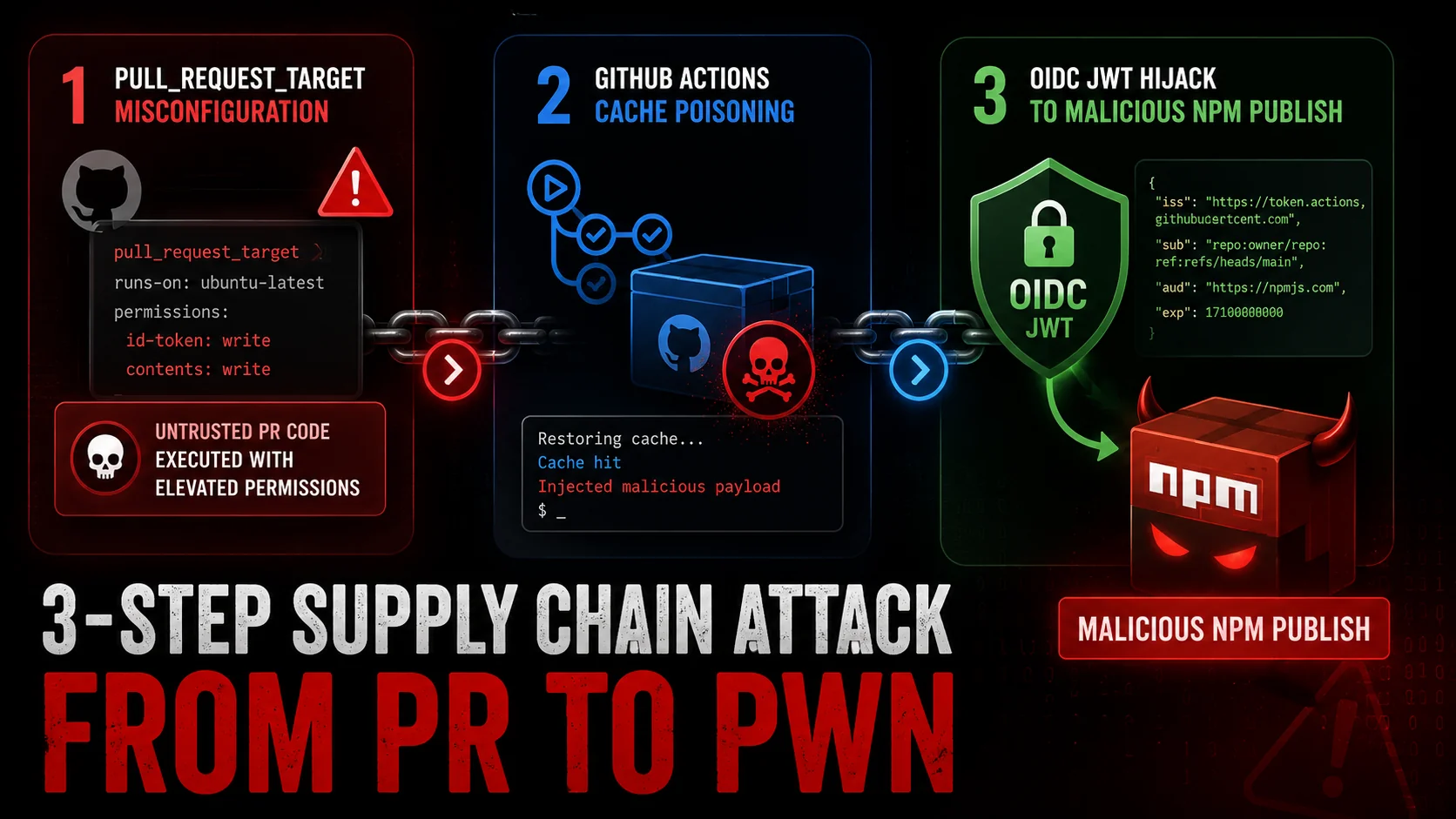
A May 2026 supply chain attack on TanStack npm packages used pull_request_target abuse, GitHub Actions cache poisoning, and OIDC token hijacking to publish malicious packages with valid SLSA provenance.
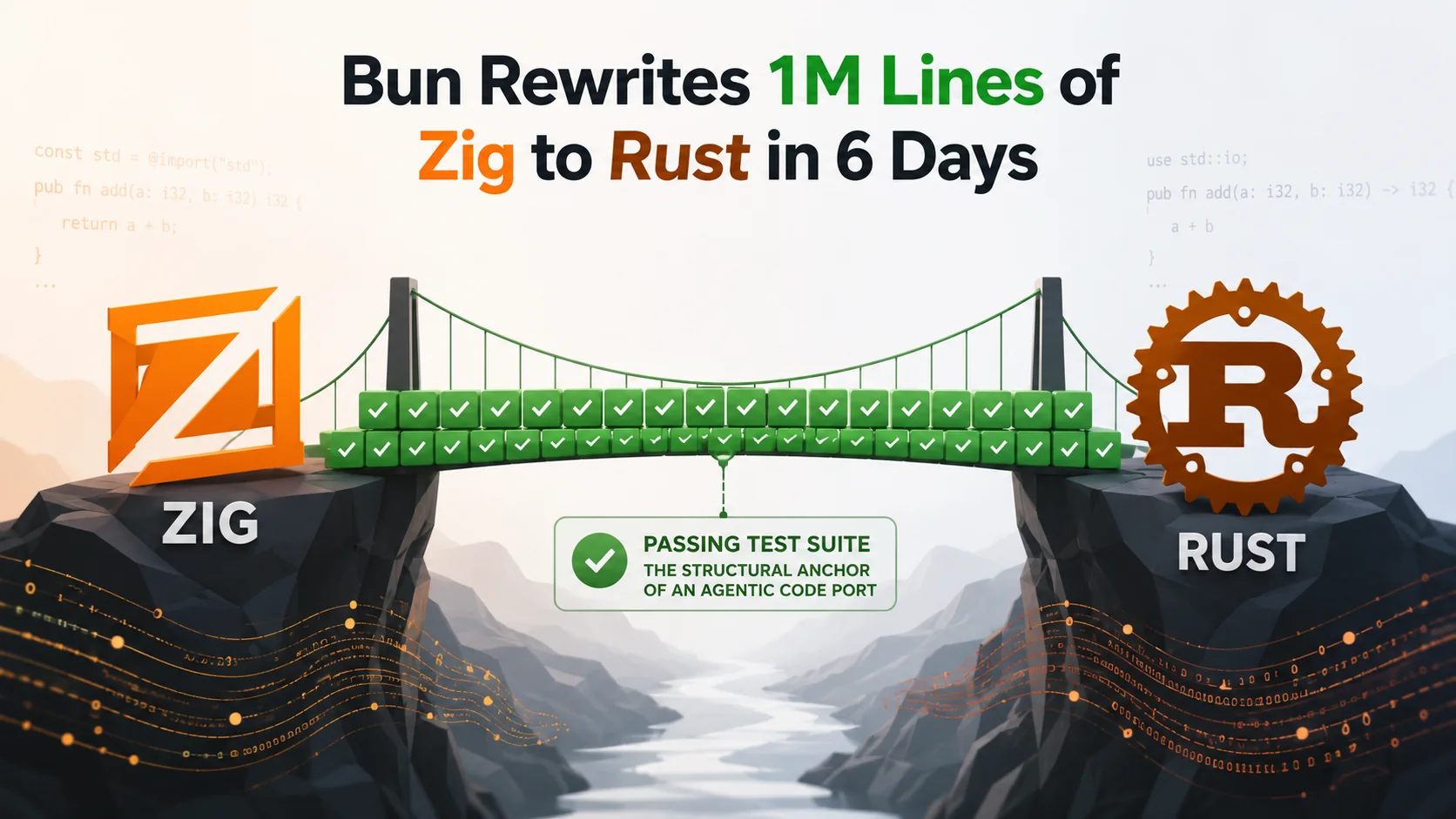
An agentic rewrite of the Bun JavaScript runtime from Zig to Rust in six days raises hard questions about test coverage as a safety net, unsafe block density, and the maintainability of code no human wrote.