
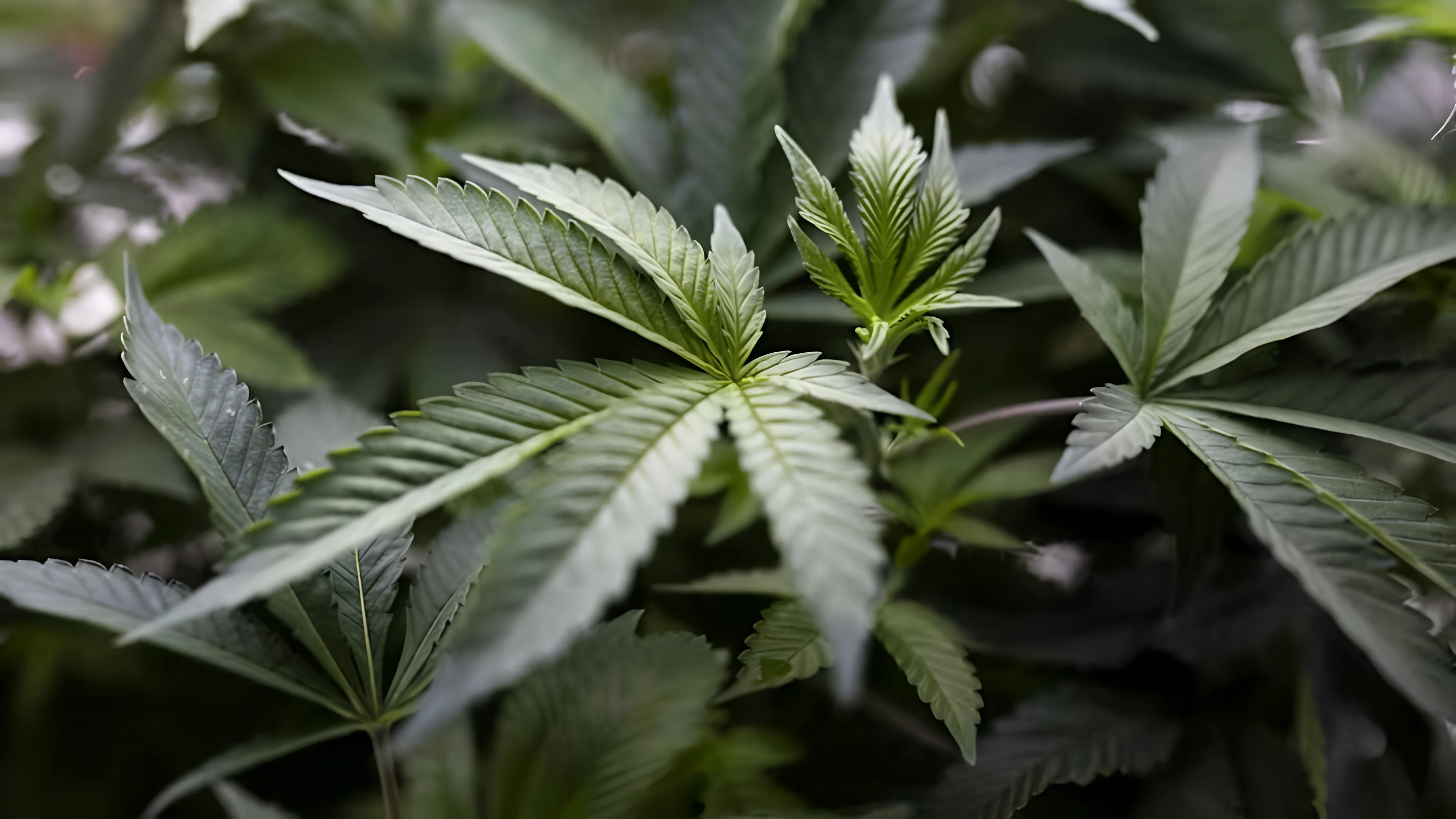
Aromatic compounds found in cannabis plants can substantially reduce fibromyalgia pain and post-surgical pain in mouse models — and they do so without triggering any psychoactive effect, according to new research from the University of Arizona College of Medicine.
Four Terpenes Tested, Geraniol Showed the Strongest Effect
The study, led by John Streicher, PhD, a professor at the University of Arizona College of Medicine – Tucson and member of the Comprehensive Center for Pain & Addiction, tested four terpenes common to Cannabis sativa: geraniol, linalool, beta-caryophyllene, and alpha-humulene. All four produced what the researchers describe as substantial antinociceptive — pain-blocking — effects in mouse models of both fibromyalgia and post-operative pain.
Geraniol showed the strongest response among the four. Linalool ranked second, followed by beta-caryophyllene, then alpha-humulene. None of the compounds produced psychoactive effects, which the researchers note as a key distinction from THC-based cannabis therapies. The study was funded by the National Institutes of Health (grant R01AT011517) and published in the journal Pharmacological Reports.
The chart below shows the researchers' described efficacy hierarchy for the four terpenes in preclinical pain models. Bar lengths represent ordinal editorial ranks derived from the study's reported findings, not measured effect-size scores.
How the Adenosine A2a Receptor Connects Terpenes to Pain Relief
The most pharmacologically significant finding in the study is not which terpene ranked highest, but how these compounds appear to work. The researchers found that the pain-relieving effects of all four terpenes were biologically linked to the adenosine A2a receptor — the same cellular receptor that caffeine targets when it blocks drowsiness.
This matters for two reasons. First, it identifies a non-opioid, non-cannabinoid analgesic pathway that operates through a receptor already well-characterized in human biology. Second, the A2a connection raises a flag the researchers acknowledge directly: because this receptor is associated with sedative effects, further study is needed to understand whether terpene-based therapies might carry sedative side effects alongside their analgesic properties.
Streicher and colleagues note that terpenes appear ineffective for acute pain — the kind that follows immediate tissue injury, like a burn or a fracture. The A2a pathway seems better suited to the sustained, altered-sensitivity states that define chronic or pathological pain conditions. This distinction is not a limitation of the compounds so much as a clarification of where they might be clinically useful.
The diagram below maps the proposed mechanism from terpene exposure to pain signal reduction, as described in the source findings.
Fibromyalgia and Post-Surgical Pain as the Primary Clinical Targets
The two pain models the researchers used are not chosen arbitrarily. Fibromyalgia is a chronic condition affecting muscles and soft tissue that the CDC estimates affects approximately 4 million adults in the United States and roughly 5 percent of the global population, with a disproportionate impact on women. It is also notoriously difficult to treat — existing pharmacological options produce incomplete or inconsistent relief.
Post-surgical pain represents a different problem. In the short window after an operation, patients are highly sensitive to pain due to biological inflammation and tissue disruption, and opioids are commonly used to manage it. But opioids carry their own post-surgical complications — including constipation and adhesion formation — that the researchers suggest terpenes might help avoid.
Todd Vanderah, PhD, director of the Comprehensive Center for Pain & Addiction at the University of Arizona, contributed to the work alongside co-authors Caleb Seekins, Alyssa Welborn, and Abigail Schwarz. The study was conducted entirely in mouse models, and the authors have not claimed clinical readiness. Translation to human patients would require additional trials examining dosing, delivery method, safety, and the sedative potential that the A2a pathway may carry.
The cards below summarize the epidemiological scale of the two conditions targeted by this research.
What distinguishes this line of research from broader cannabis pharmacology is its specificity. The compounds studied are not cannabinoids — they do not act on the CB1 or CB2 receptors associated with THC's psychoactive effects. They are aromatic compounds that happen to share biological space with one of the most commonly understood receptor pathways in human neurochemistry. Whether that translates to a viable clinical therapy remains an open question, but the receptor identification gives researchers a defined target for the next stage of work.

Ultra-Processed Foods and Brain Health: What Studies Show
Research from Monash University, Harvard, and studies of tens of thousands of adults connects ultra-processed food intake to measurable cognitive decline, dementia risk, Parkinson's symptoms, and depression — with actionable thresholds in the data.


Million-Year-Old Cave Fossils Close a Gap in New Zealand's Bird History
New fossils from Moa Eggshell Cave, dated to about 1 million years old, reveal 16 species and show extinction was already underway before humans arrived.

DNA Time Stamps Rewrite the Strawberry's Origin
Researchers used LTR retrotransposon similarity matrices to map the octoploid strawberry's subgenomes and date three ancient genome-merging events.

NASA Picks Schmidt's Relativity Space For Mars Mission
NASA's Aeolus mission hands a 2028 Mars orbiter to Relativity Space, the Eric Schmidt-led rocket company that has yet to reach orbit, under a commercial model echoing its ISS and lunar lander contracts.

Comments (0)
Please sign in to join the discussion.
No comments yet.
Be the first to share your perspective on this topic.