
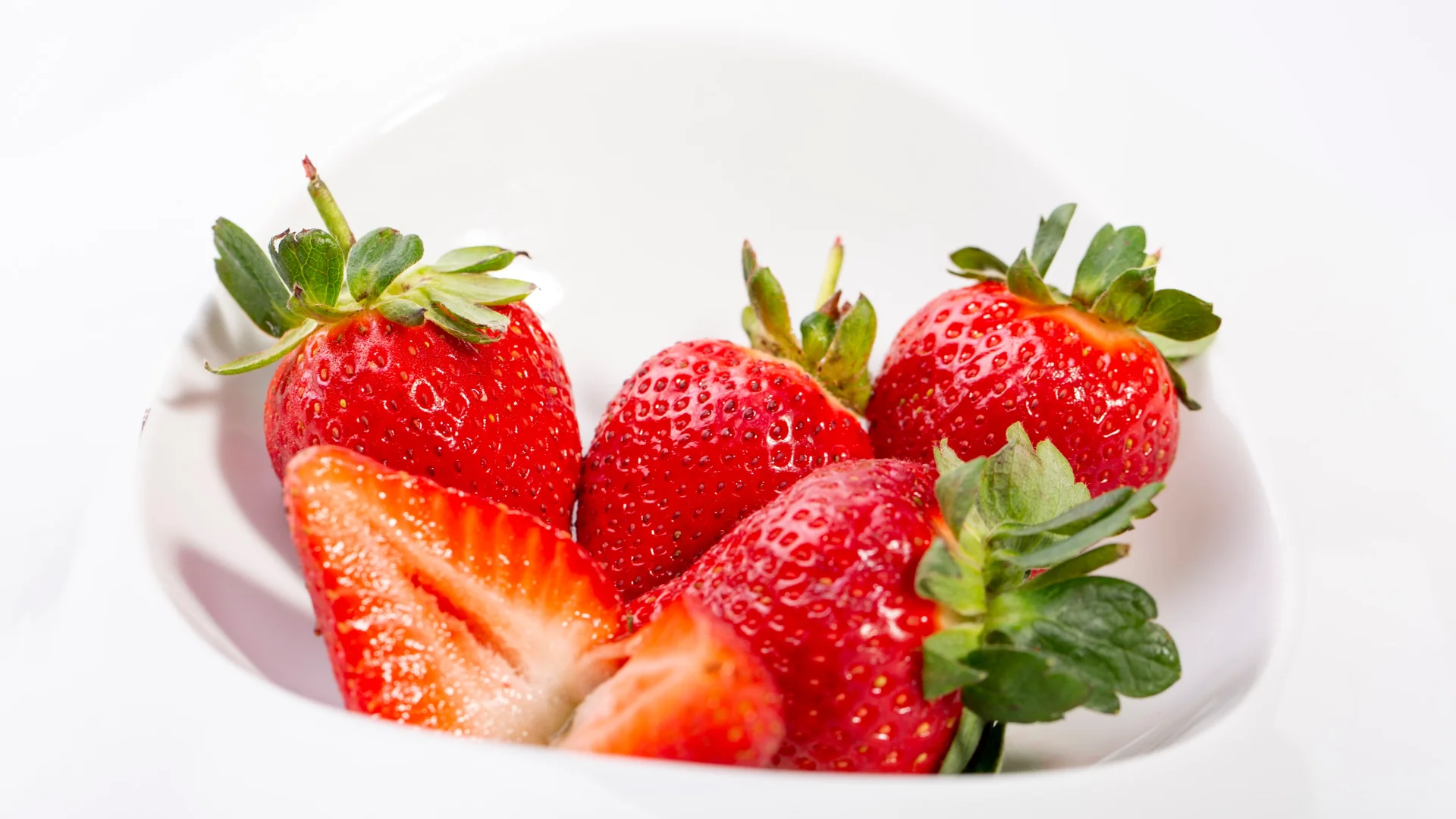
A bioinformatic method built on the decay patterns of mobile DNA elements has produced a new map of how the cultivated strawberry's genome was assembled, identifying three separate ancient hybridization events without relying on a single known ancestor species.
A Workaround for Genomes With No Surviving Ancestors
Polyploid genomes, which carry multiple chromosome sets inherited from different ancestral lineages, are common among crop plants but notoriously hard to dissect. The standard approach to separating a polyploid genome into its component "subgenomes" depends on comparing it against the genomes of its diploid ancestors. That approach collapses when the ancestors are extinct, unsampled, or simply unknown, which is the case for many economically important crops.
Researchers from the U.S. Department of Agriculture and collaborating institutions addressed this gap by building a framework around long terminal repeat retrotransposons, or LTR-RTs, a class of mobile DNA sequence that accumulates in plant genomes over time. Detailed in the journal study describing the serial similarity matrix method, the method does not require extant progenitor genomes at all. Instead, it treats retrotransposon activity itself as a record of when and where genomes diverged and merged.
Reading Subgenome History From Retrotransposon Decay
The method, called the serial similarity matrix (SSM) approach, rests on a three-phase model of how LTR-RTs behave during allopolyploid formation. Before two ancestral lineages diverge, they share retrotransposon activity. During their separate evolutionary histories, each lineage accumulates its own distinct insertions, producing subgenome-specific signatures. After the genomes merge through allopolyploidization, retrotransposon activity becomes shared again across the newly combined genome.
By running all-against-all comparisons of LTR-RTs across chromosomes and grouping them by sequence similarity at successive thresholds, the researchers generated similarity matrices for different time windows. Chromosomes that cluster tightly within a given window are inferred to share a distinct evolutionary lineage from that period, allowing subgenomes to be assigned and the approximate timing of the merging event to be estimated. As one of the study's senior authors put it, transposable elements can function as evolutionary time stamps embedded in plant genomes, offering a path to genome reconstruction when direct ancestral references are missing.
Validation Across Teff, Cotton, and Synthetic Genomes Tests the Method's Limits
Before applying the SSM method to strawberry, the team tested it against allopolyploid genomes with already-established subgenome structures: teff and cultivated cotton. In both cases, the method correctly separated known subgenomes during the divergence-period signal window. The researchers also built two artificial allotetraploid genomes by computationally merging pairs of diploid relatives, then checked whether the method could still detect subgenome structure under different combinations of divergence time and retrotransposon abundance.
The results exposed a meaningful limitation rather than a uniform success. Genomes with low retrotransposon abundance, or progenitor species with very short divergence times, produced weaker clustering signals, since there was less time or material for distinct lineage-specific insertions to accumulate. This means the SSM method's reliability is not constant across all allopolyploid systems; it depends on how much subgenome-specific retrotransposon activity actually exists to detect, a constraint the original authors built directly into their interpretation of the strawberry results.
Three Allopolyploidization Events Reconstruct the Octoploid Strawberry's Assembly
Applying the validated method to the cultivated octoploid strawberry, Fragaria × ananassa, the researchers identified four distinct subgenomes and reconstructed a sequence of three allopolyploidization events. The first, joining the ancestors that would become two of the four subgenomes, occurred approximately 3.1 to 4.2 million years ago. The second event, in which that combined lineage merged with a third ancestral genome, occurred approximately 1.9 to 3.1 million years ago. The third and most recent event, completing the modern four-subgenome structure, occurred approximately 0.8 to 1.9 million years ago.
This staged sequence reframes the strawberry's origin as a series of successive mergers rather than a single hybridization event, with each step adding one more ancestral genome to a progressively more complex polyploid.
Revised Ancestry Challenges Earlier Progenitor Models
The analysis found close evolutionary relationships between two of the four strawberry subgenomes and the diploid species Fragaria vesca and Fragaria iinumae, a result consistent with earlier work. At the same time, the findings challenge previous models that had proposed additional diploid progenitor species for the remaining two subgenomes. According to the journal study describing the serial similarity matrix method, some ancestral contributors to the octoploid strawberry genome may be extinct or have never been sampled, meaning the closest known living relatives identified here may be proxies for true ancestors rather than the ancestors themselves.
That distinction matters for how confidently the revised model should be read: the method can establish that two of the four subgenomes do not trace to the previously proposed progenitor species, but it cannot, on its own, rule out the existence of an unsampled diploid relative still awaiting discovery.
Wider Reach Into Wheat, Cotton, and Sugarcane Breeding
The same logic that resolved the strawberry's history applies to other polyploid crops with similarly tangled ancestries, including wheat, cotton, and sugarcane. More accurate subgenome partitioning supports better gene annotation, trait mapping, and comparative genomic work across related species, which in turn feeds into breeding programs that depend on knowing which genes originated from which ancestral lineage.
Because the SSM method sidesteps the need for progenitor genome sequences, it offers a way to study polyploid crops whose evolutionary origins have remained unresolved precisely because their ancestors are missing from the record. The work was supported by National Institute of Food and Agriculture Specialty Crop Research Initiative Grant 2022-51181-38241, as reported in the research summary on the strawberry genome findings.
Ultra-Processed Foods and Brain Health: What Studies Show
Research from Monash University, Harvard, and studies of tens of thousands of adults connects ultra-processed food intake to measurable cognitive decline, dementia risk, Parkinson's symptoms, and depression — with actionable thresholds in the data.

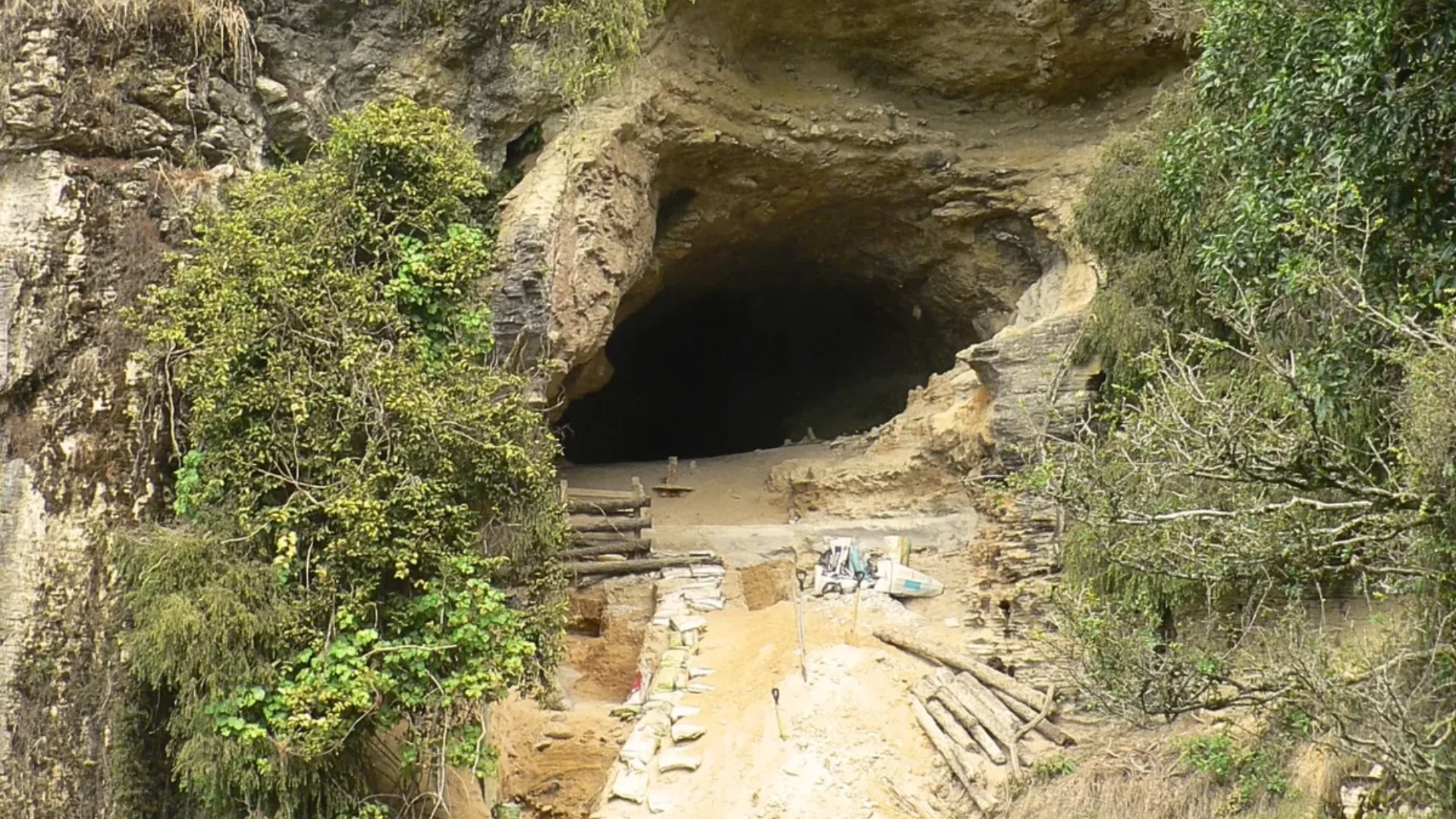
Million-Year-Old Cave Fossils Close a Gap in New Zealand's Bird History
New fossils from Moa Eggshell Cave, dated to about 1 million years old, reveal 16 species and show extinction was already underway before humans arrived.
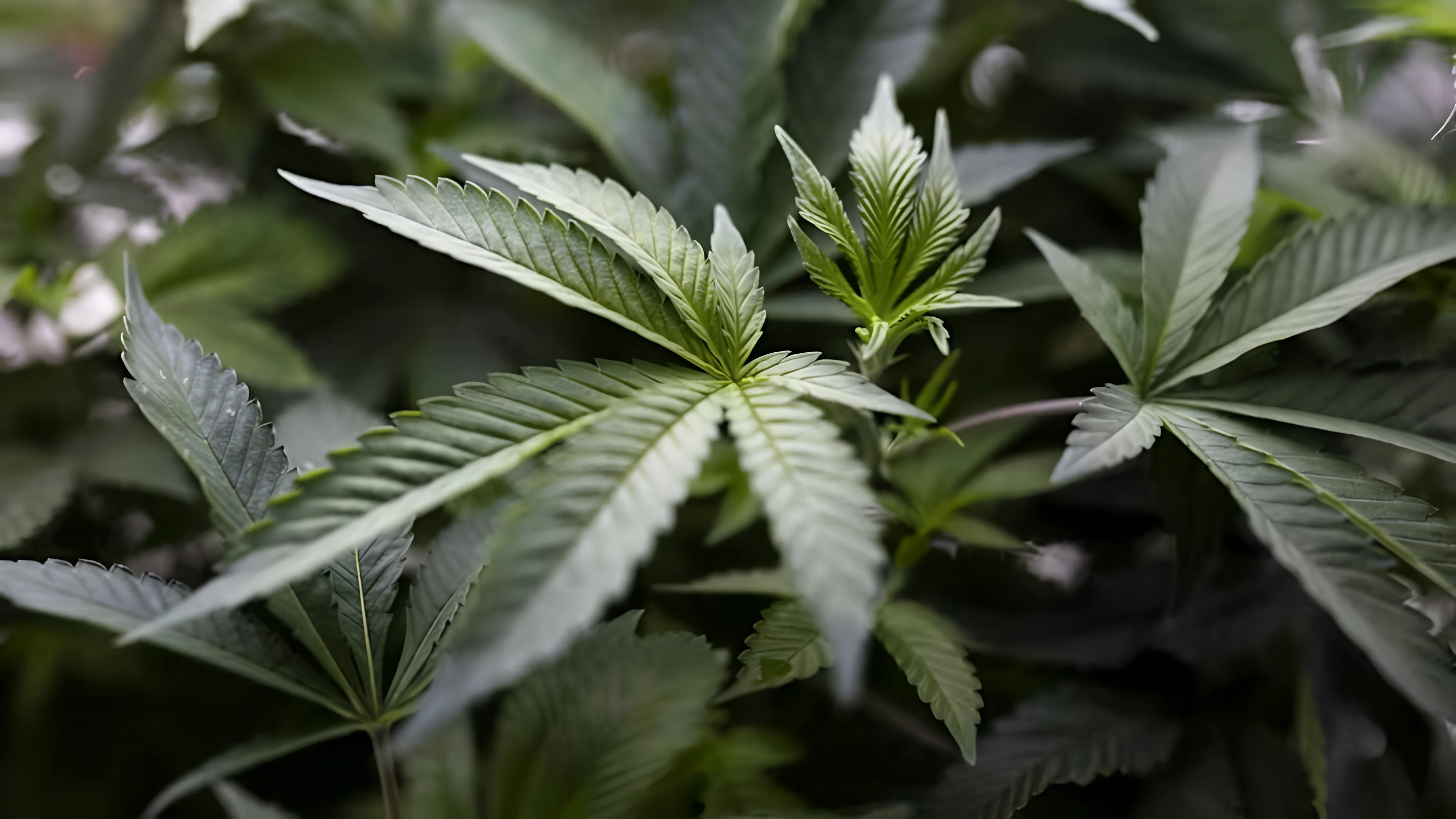
Cannabis Terpenes Reduce Chronic Pain Without a High
A preclinical study from the University of Arizona shows cannabis terpenes geraniol, linalool, beta-caryophyllene, and alpha-humulene reduce fibromyalgia and post-surgical pain in mice through the adenosine A2a receptor pathway.

NASA Picks Schmidt's Relativity Space For Mars Mission
NASA's Aeolus mission hands a 2028 Mars orbiter to Relativity Space, the Eric Schmidt-led rocket company that has yet to reach orbit, under a commercial model echoing its ISS and lunar lander contracts.

Comments (0)
Please sign in to join the discussion.
No comments yet.
Be the first to share your perspective on this topic.