
A cyclosporiasis outbreak spanning 41 states has prompted a lettuce recall from Taylor Farms de Mexico, but the parasite's exact origin is now caught in a dispute between US and Mexican health authorities.
A Five-State Cluster Traces Back to Taco Bell's Shredded Lettuce
The CDC has recorded 4,173 laboratory-confirmed domestic cases of cyclosporiasis since the season began on May 1, 2026, with more than 7,400 additional suspected cases still under review by health authorities. At least 308 people have been hospitalized, though no deaths have been reported. Within that national total, investigators identified a distinct cluster: 1,644 cases and 94 hospitalizations across Indiana, Kentucky, Michigan, Ohio, and West Virginia, linked directly to shredded iceberg lettuce served at Taco Bell locations. That cluster's emergence gave the FDA's traceback investigation a concrete supply chain to follow, rather than a diffuse national case count with no single implicated product.
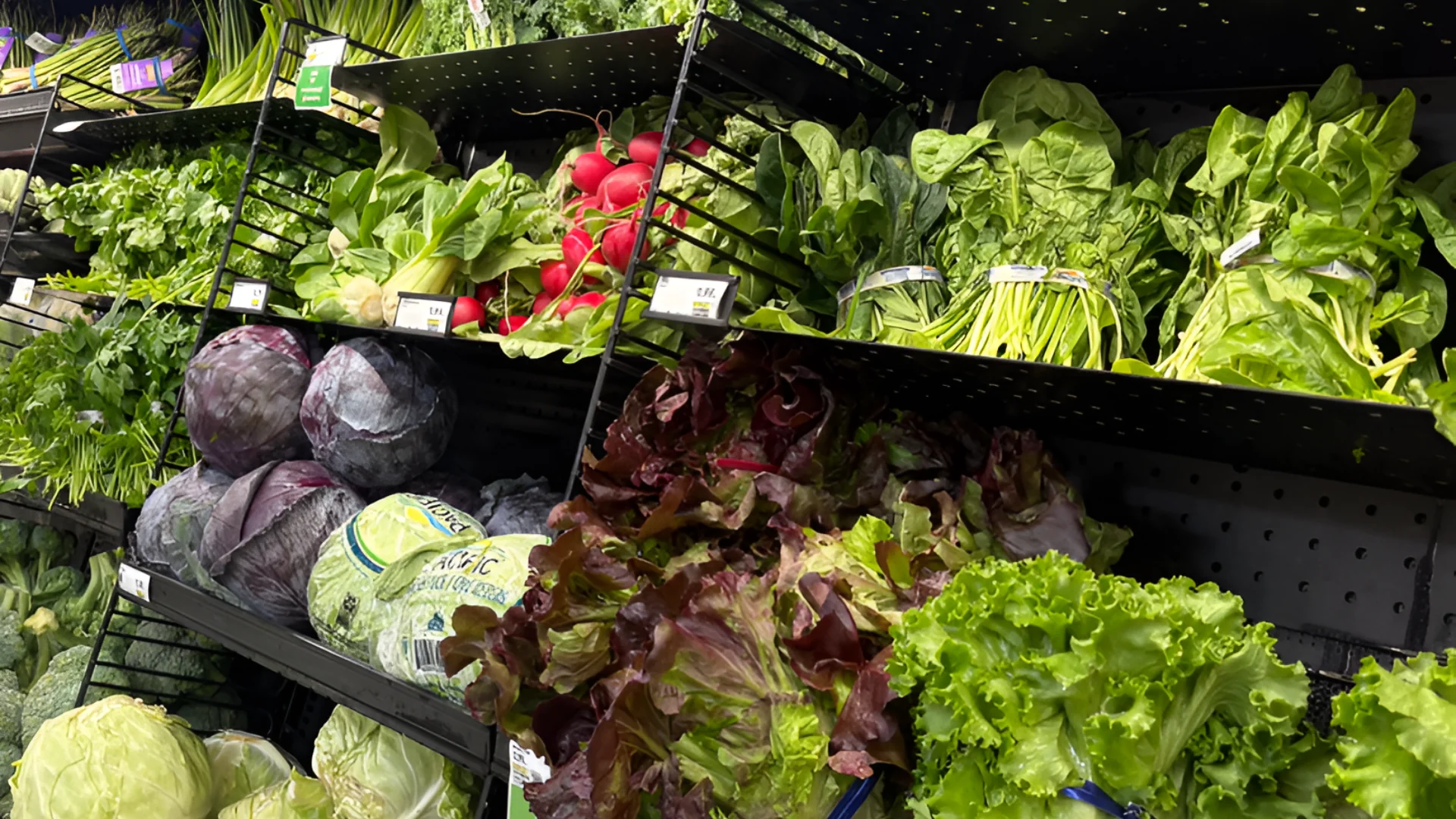
The traceback led to Taylor Farms de Mexico, which initiated a voluntary recall on July 17, 2026, covering all iceberg lettuce sourced from central Mexico. The recall reached both restaurant distribution channels and retail shelves, including certain Marketside-brand lettuce sold at Walmart. A recall of that scope, spanning food service and retail simultaneously, points to a shared upstream supplier rather than an issue isolated to one restaurant chain's kitchens.
A Retracted Positive Test Deepens the Dispute Over Where the Outbreak Started
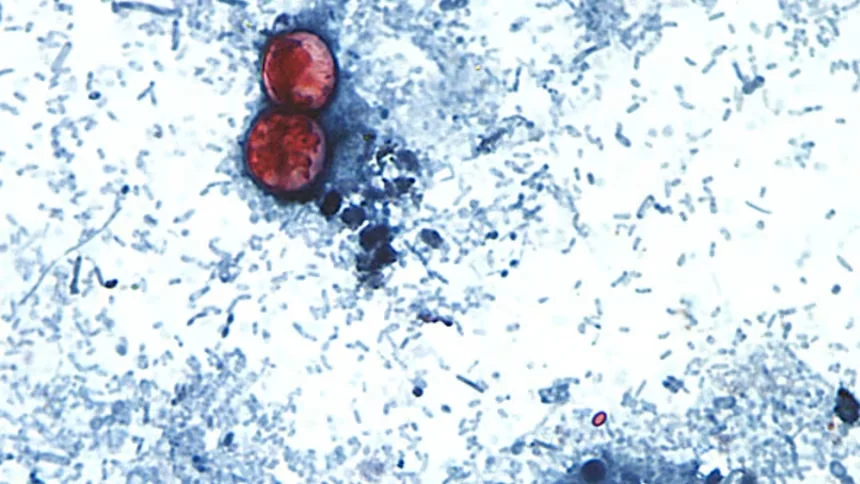
The recall has not settled the question of where the contamination occurred. Mexican Secretary of Health David Kershenobich has publicly disputed the FDA's findings, stating there is no evidence the outbreak originated in Guanajuato. The dispute intensified when the FDA briefly announced a positive test result on Mexican lettuce, then retracted it a day later after a data re-review determined it was a false positive.
That reversal complicates the picture without erasing the FDA's underlying conclusion: the agency maintains that its supply chain tracking still points to Taylor Farms' Mexican facilities, independent of the retracted test. In practice, this means the recall stands on traceback and distribution records rather than on confirmed laboratory evidence tying a specific batch of lettuce to a specific field. That distinction matters for readers trying to gauge how settled the outbreak's source really is: the product recall reflects where regulators believe the risk lies, not a resolved forensic finding accepted by both governments.
Budget Cuts to CDC Monitoring Complicated the Response
Consumer Reports has reported that the CDC was forced to drop cyclospora from its FoodNet surveillance program because of recent budget cuts, a change that may have delayed how quickly the outbreak was detected and characterized. State officials in some of the hardest-hit areas have separately cited antiquated data systems as a barrier to tracking cases in real time.
Those two threads point to the same underlying problem from different levels of government: the infrastructure meant to catch a seasonal parasite outbreak early was already strained before this year's case count climbed into the thousands. A surveillance system with reduced federal tracking and outdated state-level tools is slower to connect scattered illnesses into a recognized cluster, which helps explain why a five-state pattern involving a single restaurant chain's lettuce took time to surface as a distinct thread within the broader national total.
Why Rinsing Lettuce Won't Protect You From Cyclospora
Cyclospora cayetanensis causes gastrointestinal illness that typically begins about a week after exposure, with symptoms including explosive watery diarrhea, stomach cramps, bloating, nausea, fatigue, loss of appetite, and weight loss. Unlike many foodborne bacteria, the parasite is not reliably eliminated by standard rinsing or chlorine-based sanitizers. According to guidance from public health experts, cooking produce to at least 158°F (70°C) is the only method confirmed to kill it.
That guidance comes with a caveat that experts have emphasized directly: consumers should not respond to the outbreak by avoiding fresh produce altogether. For raw items like lettuce that will not be cooked, the practical takeaway is narrower than a blanket avoidance strategy — it centers on recalled-product awareness, since washing alone cannot be relied on to remove the risk once contamination has occurred.
Health authorities have not reported any deaths connected to this outbreak, and the case count reflects both confirmed and suspected illnesses still being reviewed, meaning the final tally is likely to shift as investigations continue.
What the AHA's New Coffee Guidance Means for Heart and Liver Health
The American Heart Association's new statement on caffeine, paired with a 2026 Italian liver study, reshapes how much coffee is considered healthy and why brewing method matters.
Record Cyclospora Outbreak Tied to Taylor Farms Lettuce Grows to 15 States
A multistate Cyclospora outbreak tied to Taylor Farms iceberg lettuce has grown to 6,358 confirmed cases in 15 states, with illness onset dates that predate the recall window.
![Hundreds of millions of birds and mammals worldwide have been killed by the disease [File: Dado Ruvic/Reuters]](/uploads/1785854077180-Australia_warns_H5N1_likely_to_spread_after_first_mass_mortality_episode.webp)
Australia Confirms First H5N1 Mass Mortality Event as Bird Flu Spreads to a Second State
A confirmed H5N1 die-off in South Australian terns, a suspected Victorian cluster, and a case in a Coorong petrel mark a new phase of Australia's outbreak.

Hate Chia Water? A Gastroenterologist's 6 Alternative Ways to Eat Chia Seeds
A gastroenterologist explains why grinding chia seeds — not soaking them in water — is the practical fix for fibermaxxing's texture problem.
Comments (0)
Please sign in to join the discussion.
No comments yet.
Be the first to share your perspective on this topic.