
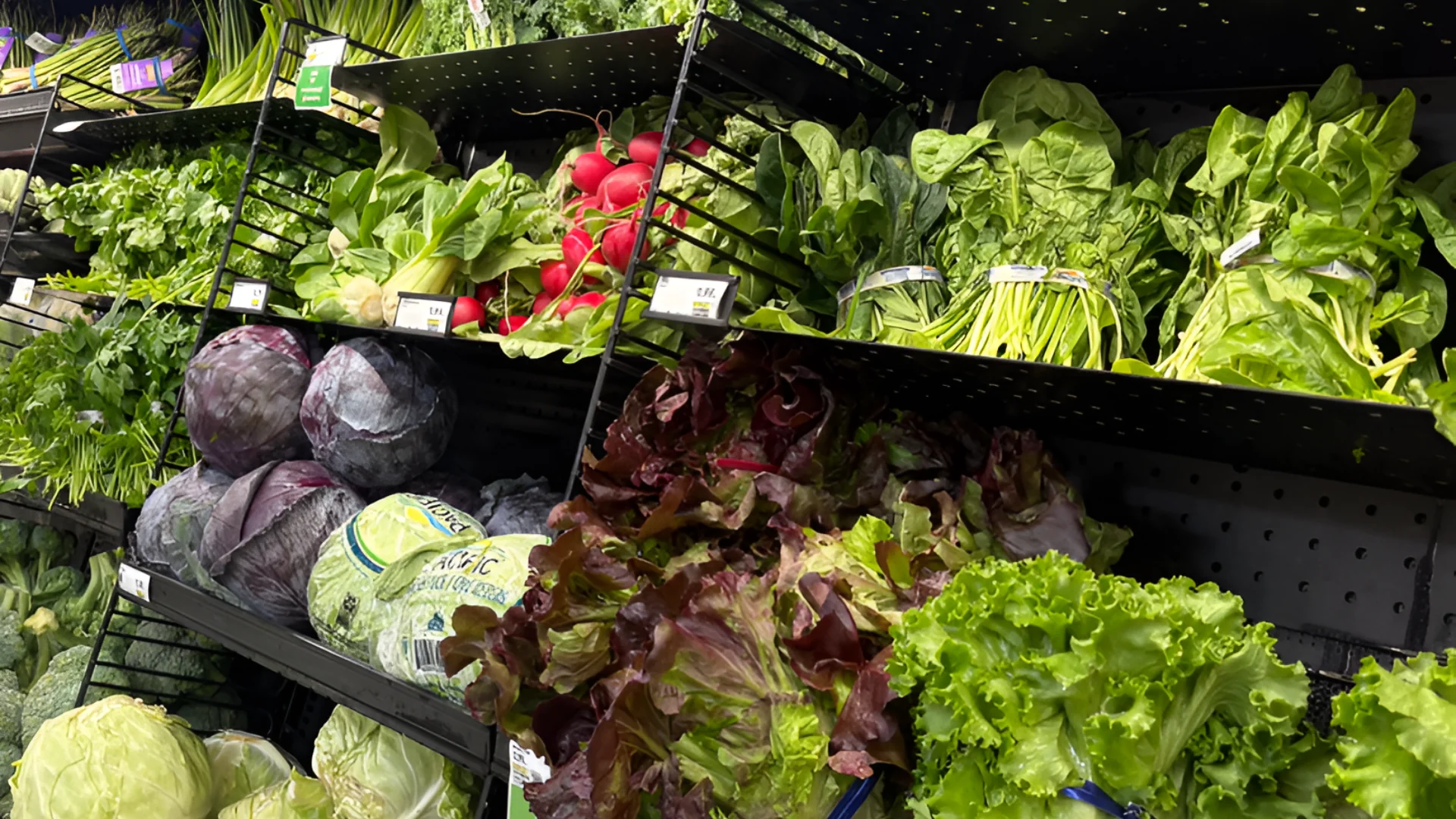
A multistate Cyclospora outbreak linked to iceberg lettuce has become the largest cyclosporiasis outbreak on record in the United States, with confirmed cases now reaching 6,358 across 15 states as health officials in several states report illness onset dates that predate the product recall meant to stop it.
Taylor Farms Recall Traces Back to Central Mexico Lettuce Supply
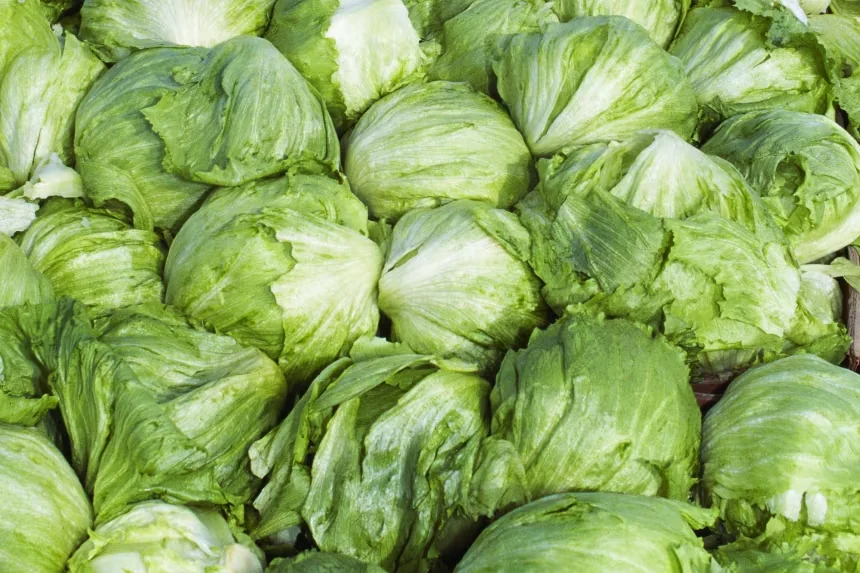
The Food and Drug Administration linked the outbreak to iceberg lettuce grown in Central Mexico and distributed by Taylor Farms. The company issued a voluntary recall on July 17, 2026, covering lettuce shipped between June 29 and July 16. Six states — Arkansas, Iowa, Missouri, Nebraska, New Hampshire, and North Carolina — were added to the CDC's outbreak case count as investigators traced illnesses back to the same supply chain.
The lettuce-linked cases sit inside a much larger national picture. Since May 1, more than 10,468 confirmed and 12,000 suspected Cyclospora infections have been reported across 47 states, with over 500 hospitalizations. Two deaths have been confirmed in Michigan, both involving people with underlying health conditions. Not all of that broader surge has been formally tied to Taylor Farms lettuce, which is why the 6,358-case figure represents the outbreak's confirmed core rather than its full scope.
Cyclospora is a microscopic parasite spread through contaminated food or water rather than person-to-person contact. Symptoms typically appear about a week after exposure and include watery diarrhea, loss of appetite, bloating, fatigue, and stomach cramps that can persist for weeks without treatment.
Nebraska's Case Count Sits Alongside a Second, Unrelated Outbreak
Nebraska's experience illustrates how the national numbers translate locally, and how easily two separate outbreaks can be mistaken for one. The state's Department of Health and Human Services confirmed 92 cases tied directly to the Taylor Farms recall, out of 218 total cyclosporiasis cases reported statewide, 191 of which were domestically acquired rather than linked to travel.
At the same time, Nebraska officials are managing a separate Salmonella outbreak tied to jalapeño peppers sourced from Sinaloa, Mexico, which has sickened roughly 350 people across 27 states. The two outbreaks share a timeline and a produce-supply-chain origin, but different pathogens, different source commodities, and different case counts. Conflating them would understate the scale of either one.
Illness Onset Dates Complicate the Recall Timeline
The CDC's own case timeline raises a question the recall notice does not answer: some illnesses began before July 17, and some even before the June 29 start of the recalled distribution window. That gap suggests the contaminated supply may have reached stores earlier than the recall currently accounts for, though neither the FDA nor Taylor Farms has confirmed additional shipment dates. Until that is resolved, the recall's stated window should be read as the confirmed floor of the exposure period, not necessarily its full extent.
What the Taco Bell Interviews Show — and What They Don't
Case-control interviews conducted by local health departments found that many affected residents reported either eating recalled Taylor Farms lettuce directly or eating meals at Taco Bell restaurants. Kerry Kernen, Lincoln-Lancaster County Health Director, said investigators looked for commonalities among sick residents and that the data showed "a correlation with the shredded iceberg lettuce."
That finding points toward Taco Bell as a possible distribution point for the recalled lettuce rather than a confirmed, independent source of contamination — restaurant chains are common downstream customers for large produce suppliers, and a correlation surfaced through interviews is not the same as a laboratory-confirmed supply link. No health department has publicly reported testing lettuce samples specifically from Taco Bell locations, and readers who ate at the chain during the exposure window are not for that reason confirmed to have been exposed.
Anyone experiencing watery diarrhea, cramping, or unusual fatigue after eating iceberg lettuce since late June, particularly in one of the 15 states with confirmed cases, should contact a healthcare provider, since Cyclospora infections require specific antiparasitic treatment and can otherwise persist for weeks.

What the AHA's New Coffee Guidance Means for Heart and Liver Health
The American Heart Association's new statement on caffeine, paired with a 2026 Italian liver study, reshapes how much coffee is considered healthy and why brewing method matters.
![Hundreds of millions of birds and mammals worldwide have been killed by the disease [File: Dado Ruvic/Reuters]](/uploads/1785854077180-Australia_warns_H5N1_likely_to_spread_after_first_mass_mortality_episode.webp)
Australia Confirms First H5N1 Mass Mortality Event as Bird Flu Spreads to a Second State
A confirmed H5N1 die-off in South Australian terns, a suspected Victorian cluster, and a case in a Coorong petrel mark a new phase of Australia's outbreak.

Hate Chia Water? A Gastroenterologist's 6 Alternative Ways to Eat Chia Seeds
A gastroenterologist explains why grinding chia seeds — not soaking them in water — is the practical fix for fibermaxxing's texture problem.

New Antiviral GHP-88310 Blocks Airborne Measles-Like Transmission in Ferret Study
GHP-88310, an oral antiviral, blocked airborne CDV spread in ferrets and cut sources' contagious period by 5 days, a new Nature Microbiology study finds.

Comments (0)
Please sign in to join the discussion.
No comments yet.
Be the first to share your perspective on this topic.