
![Hundreds of millions of birds and mammals worldwide have been killed by the disease [File: Dado Ruvic/Reuters]](/uploads/1785854077180-Australia_warns_H5N1_likely_to_spread_after_first_mass_mortality_episode.webp)
Australia has recorded its first confirmed mass mortality event from H5N1 bird flu, with a suspected second cluster now under investigation in Victoria and a case detected in a nesting waterbird for the first time.
CSIRO Confirms H5N1 in Dead and Dying Terns at Baudin Rocks
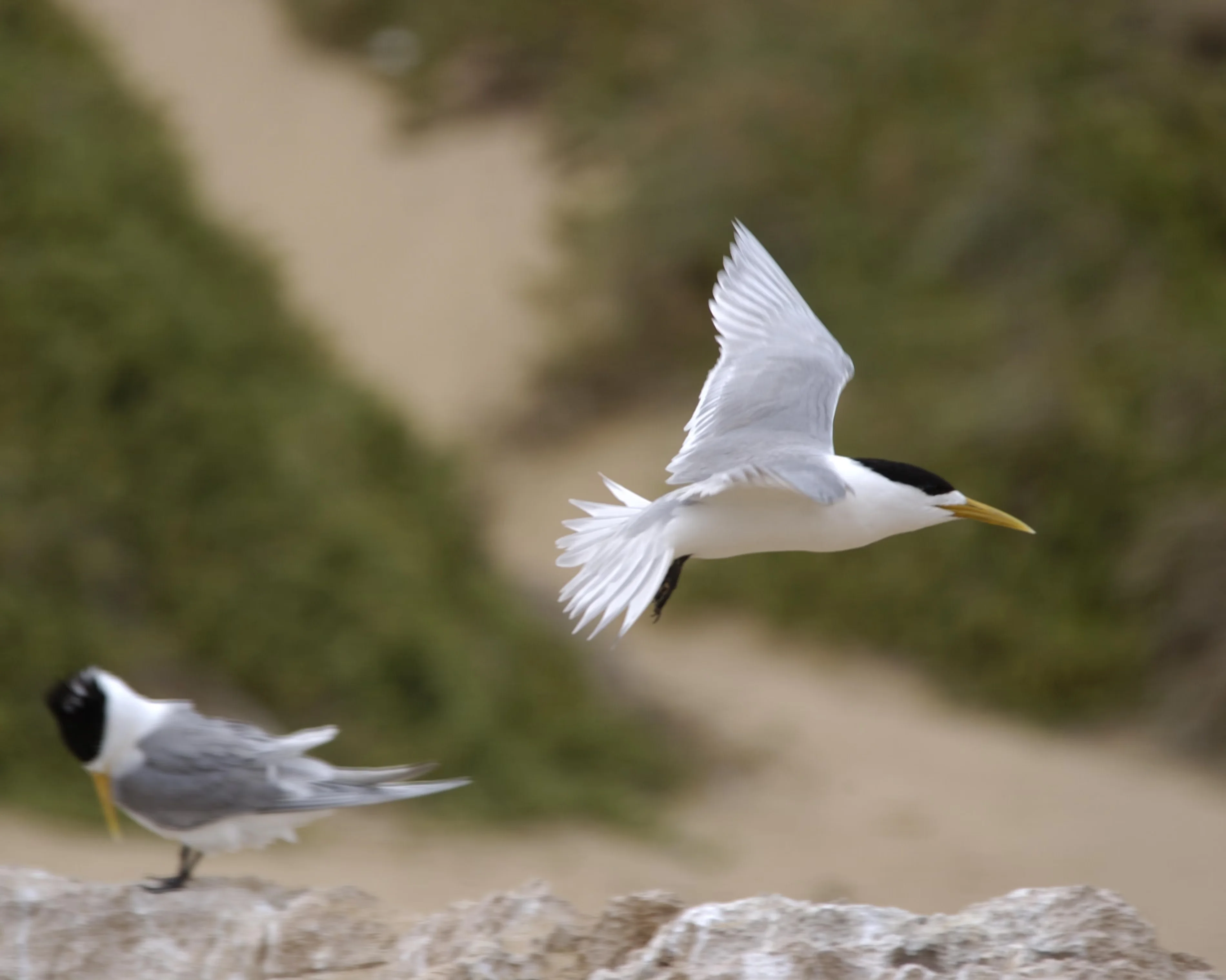
Testing by the CSIRO confirmed H5N1 at Baudin Rocks off the coast of South Australia, near Cape Jaffa. Aerial surveillance in the area found roughly 50 dead greater crested terns and another 30 to 35 showing signs of illness. The confirmation marks the first time the virus has produced a mass mortality event in Australian wildlife since it arrived on the continent earlier in 2026, according to officials cited in reporting on the event. Federal Environment Minister Murray Watt said the country should expect more events like it: "I want to level with people: this is the beginning of what is likely to be a long, difficult journey in terms of the impacts on wildlife." Watt added that authorities have limited ability to contain a virus carried by wild, mobile animals: "The reality is you can't stop native and wild birds flying around... and that will mean more mass mortality events."
A Second Cluster Emerges Along Victoria's Glenelg River Estuary
A second suspected cluster of dead and sick greater crested terns was identified over the weekend through aerial surveillance in Victoria's south-west, spanning the Glenelg River estuary near Nelson and across Lawrence Rocks. Laboratory testing to confirm the strain is underway, and the site has not yet been officially classified as a mass mortality event. Victoria's chief veterinary officer, Dr. Graeme Cooke, described the shift from the state's earlier, isolated findings: "Last week we talked about individual detections... We are now seeing a change as the disease spreads out and has further impacts." The suspected cluster sits near an important breeding colony of Australasian gannets and nearby seal colonies, raising the stakes of formal confirmation. Since the virus first reached Australian shores, 78 cases of H5 have been confirmed in wild seabirds nationwide, spanning multiple states and species.
The Virus's Reach Into Nesting Waterbirds Raises New Alarm
A case has now also been recorded in a migratory petrel at the Coorong, an internationally significant wetland region in South Australia. Tern die-offs, while serious, involve colonial seabirds that already congregate in dense coastal groups where disease spreads readily among individuals of the same species. A detection in a petrel is different: it suggests the virus may be moving from seabird colonies into nesting waterbird populations that feed and breed in different habitats. That movement is what has sparked concern among wildlife officials that the outbreak could widen beyond the seabird colonies where it has been concentrated so far, threatening a broader range of species that rely on the Coorong's wetlands.
St Kilda's Little Penguins Face an Uncertain Threat
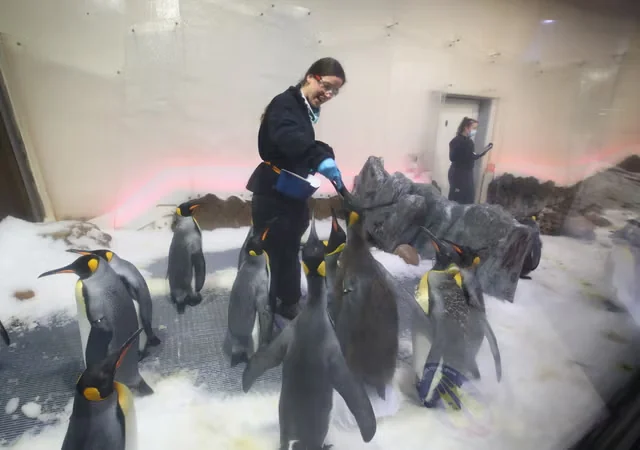
Melbourne's St Kilda little penguin colony, home to an estimated 1,400 birds, is on high alert as the Victorian cluster is investigated. Volunteers from Earthcare St Kilda, who monitor the colony, estimate that between 20% and 40% of the population could die if the virus reaches the beach suburb. That figure is a volunteer estimate rather than a clinical projection, and it is not yet established exactly how this strain of H5N1 would affect little penguins if it reached them. The species has not previously been tested against this outbreak in Australia, leaving a gap between the scale of concern and the evidence available to quantify it.
What Remains Unconfirmed as Australia Enters a New Phase
Several elements of the outbreak are still unresolved. Lab results are pending for the Victorian cluster, so it cannot yet be counted as the country's second confirmed mass mortality site. No cases have been detected on Australian poultry farms, and flocks have been under lockdown and heightened biosecurity measures since June, a gap that has held even as wild bird cases have grown. Australia was the last continent on Earth to record H5N1, and officials say the current risk to humans remains very low. The public is still advised not to touch sick or dead wild birds and to report sightings to disease hotlines. What has changed, according to officials, is not the threat to people but the trajectory among wildlife: isolated detections are giving way to clustered die-offs, and authorities are now treating further mass mortality events as a near-certainty rather than a possibility.

What the AHA's New Coffee Guidance Means for Heart and Liver Health
The American Heart Association's new statement on caffeine, paired with a 2026 Italian liver study, reshapes how much coffee is considered healthy and why brewing method matters.
Record Cyclospora Outbreak Tied to Taylor Farms Lettuce Grows to 15 States
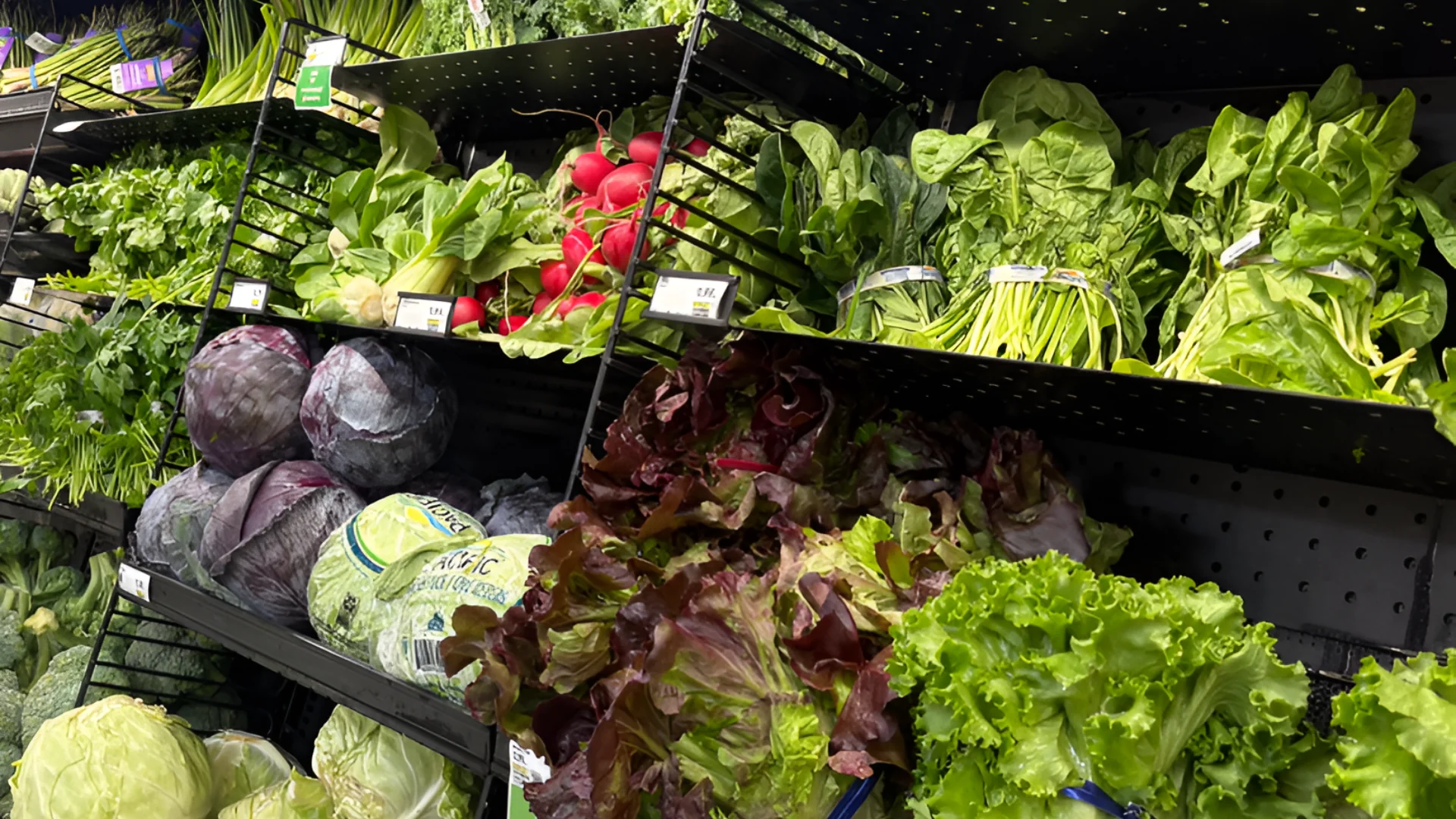
A multistate Cyclospora outbreak tied to Taylor Farms iceberg lettuce has grown to 6,358 confirmed cases in 15 states, with illness onset dates that predate the recall window.

Hate Chia Water? A Gastroenterologist's 6 Alternative Ways to Eat Chia Seeds
A gastroenterologist explains why grinding chia seeds — not soaking them in water — is the practical fix for fibermaxxing's texture problem.
New Antiviral GHP-88310 Blocks Airborne Measles-Like Transmission in Ferret Study
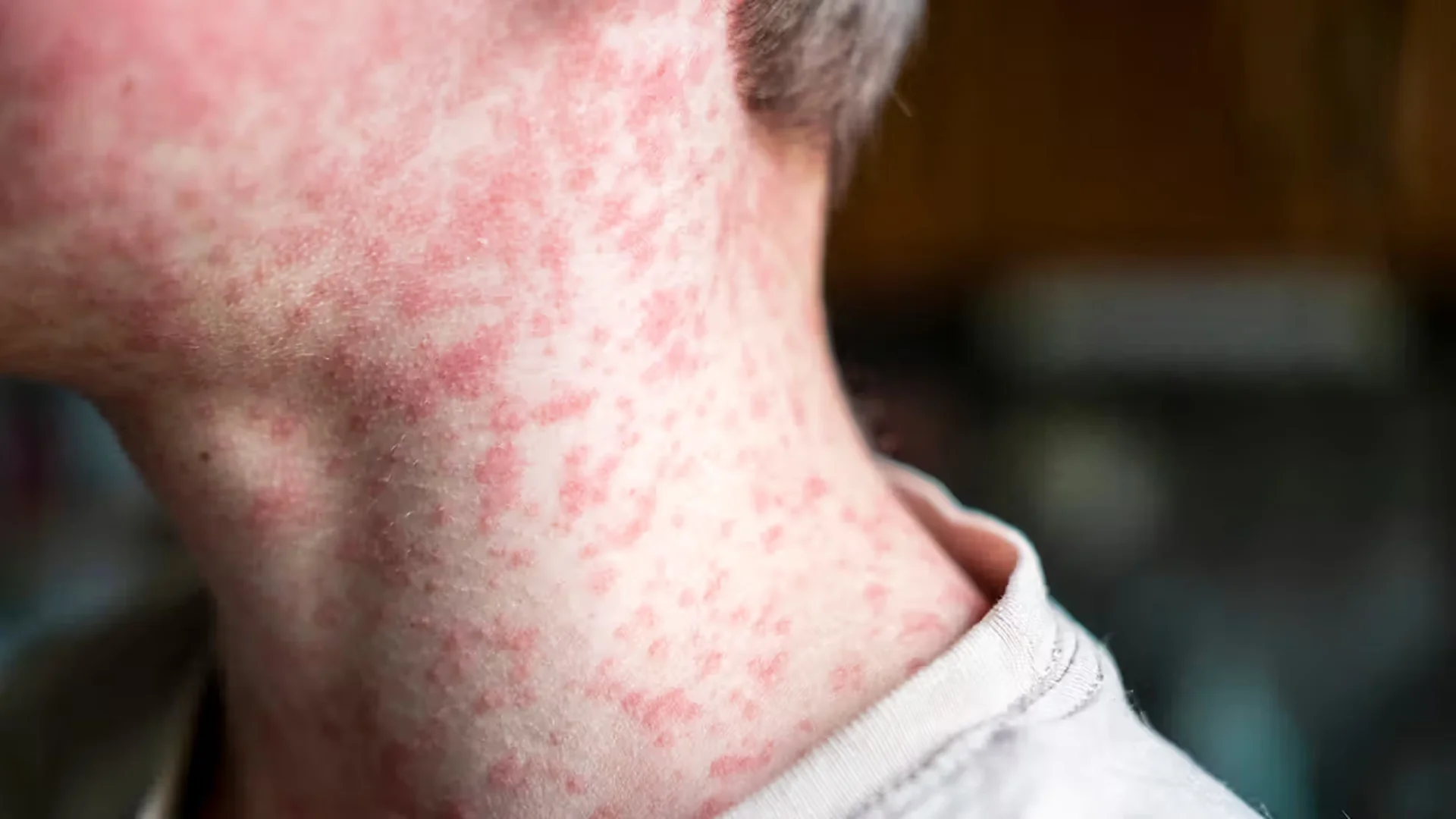
GHP-88310, an oral antiviral, blocked airborne CDV spread in ferrets and cut sources' contagious period by 5 days, a new Nature Microbiology study finds.

Comments (0)
Please sign in to join the discussion.
No comments yet.
Be the first to share your perspective on this topic.