
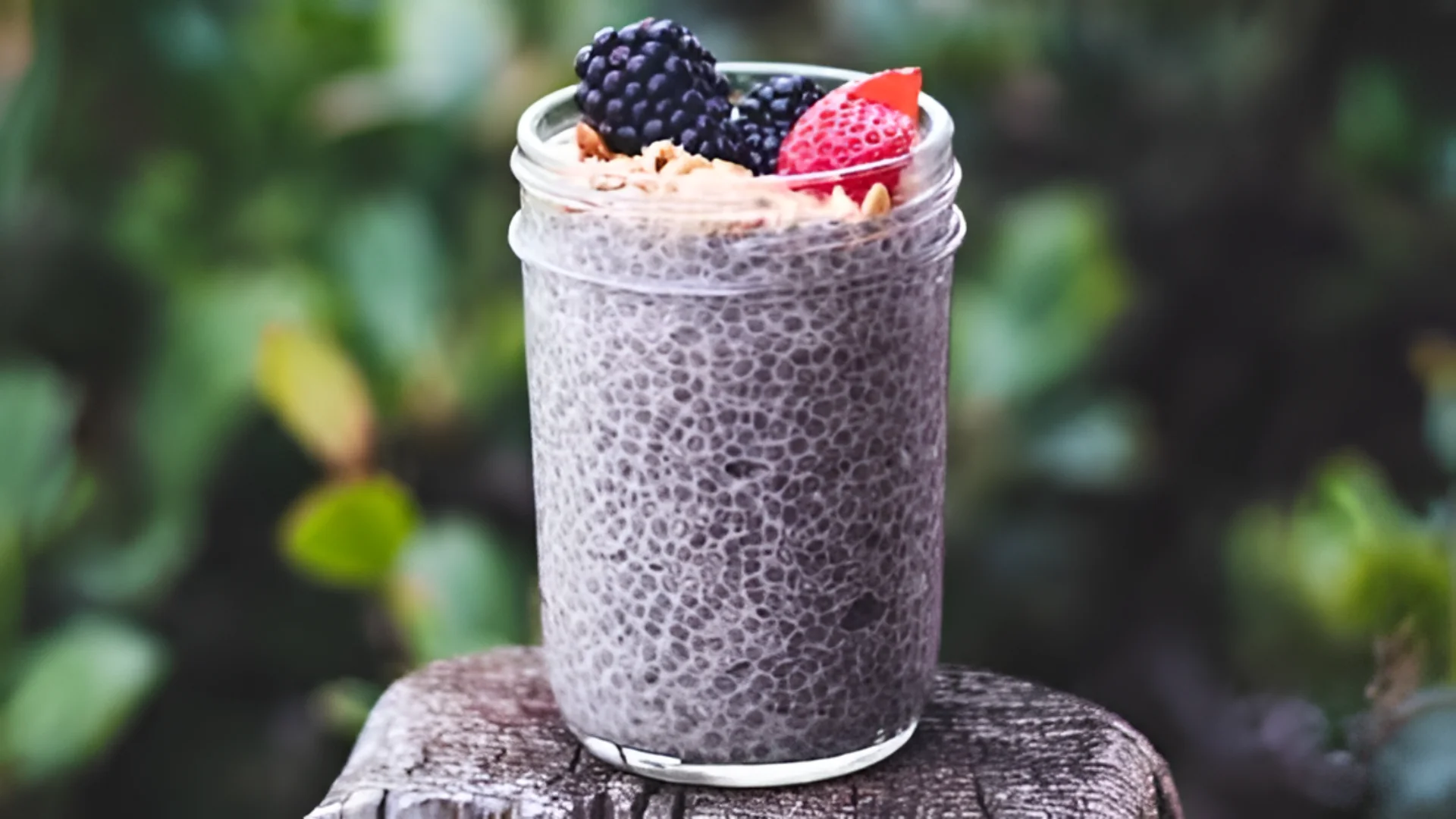
Fibermaxxing has turned chia water into a daily ritual for gut-health seekers, but a gastroenterologist says the slimy glass of soaked seeds isn't actually necessary to get the benefit.
Why Chia Water Became a Fibermaxxing Shortcut — and Why Many People Quit It
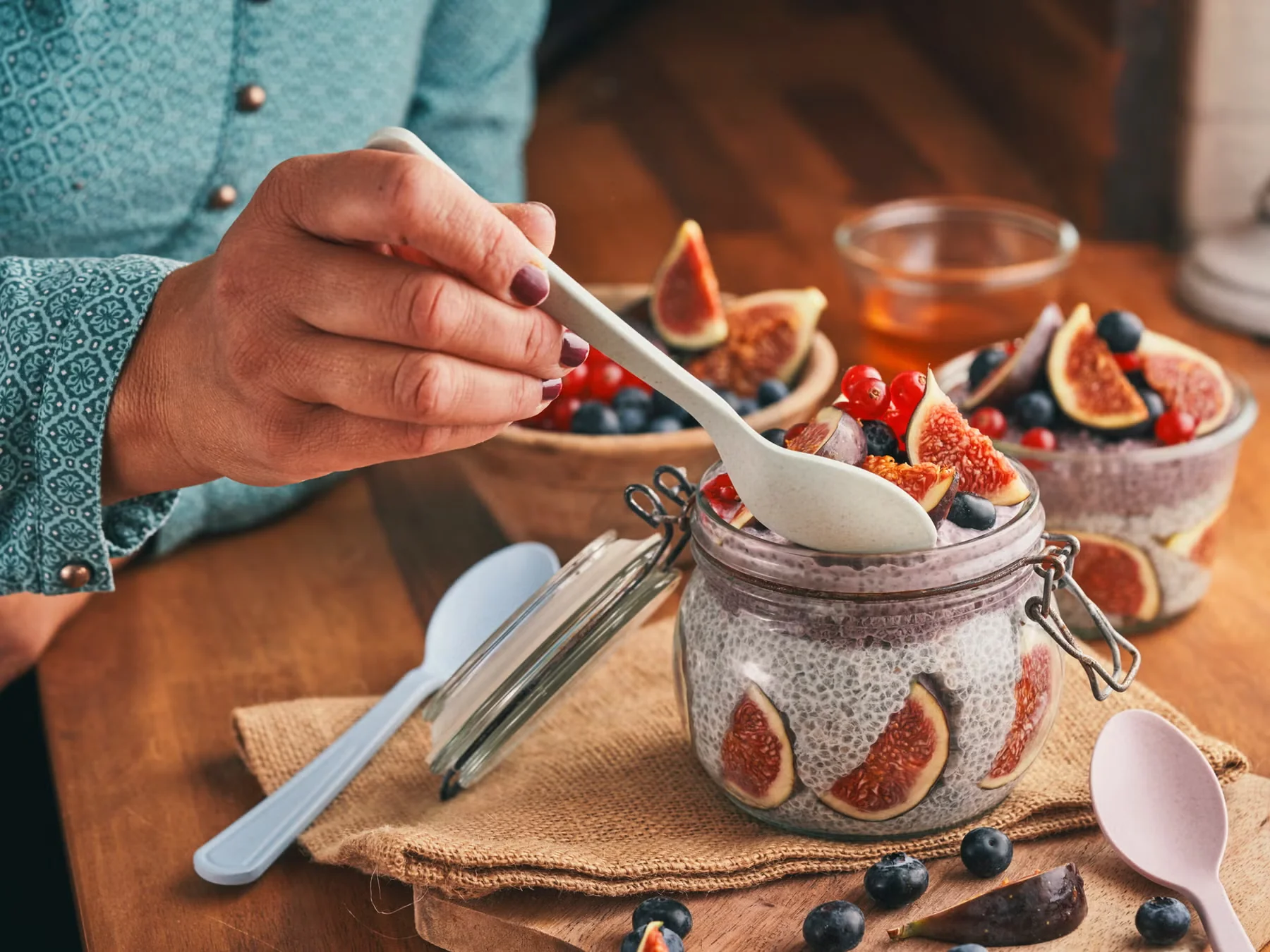
Fibermaxxing — the practice of packing extra fiber into every meal — has spread widely on TikTok and Instagram as a gut-health and weight-management strategy. Chia water, made by soaking chia seeds in plain water until they swell into a translucent gel, became one of the trend's signature hacks because it's fast and requires no cooking.
The problem, according to Florida-based gastroenterologist Dr. Joseph Salhab (@thestomachdoc), is texture. Soaked chia seeds turn gelatinous and largely flavorless, and plenty of people find that off-putting enough to abandon the habit entirely. Salhab's public response has been simple: the fiber and nutritional benefits of chia seeds don't depend on drinking them suspended in water.
Grinding Chia Seeds Erases the Texture Problem
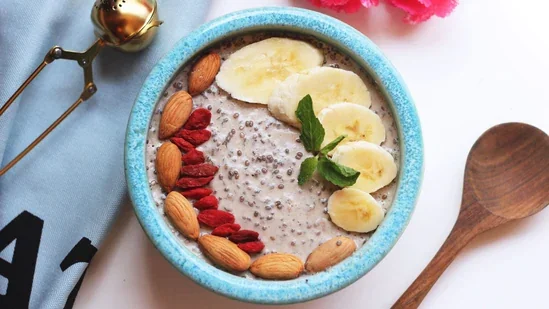
Salhab's core fix is mechanical rather than dietary. Grinding whole chia seeds into a fine powder breaks up the outer coating that forms the gel when the seeds contact liquid, so the ground seeds disperse into food instead of clumping into a slippery mass. Stirred into yogurt, batter, or nut butter, ground chia becomes essentially invisible — no texture change, no separate glass of gel to choke down.
This matters for fibermaxxing specifically because the trend's appeal rests on consistency: fiber only supports bowel regularity and feeds gut bacteria if people keep eating it daily. A workaround that removes the main reason people quit is, in practical terms, more useful to long-term gut health than the original hack.
Six Ways Dr. Salhab Suggests Eating Chia Without the Gel
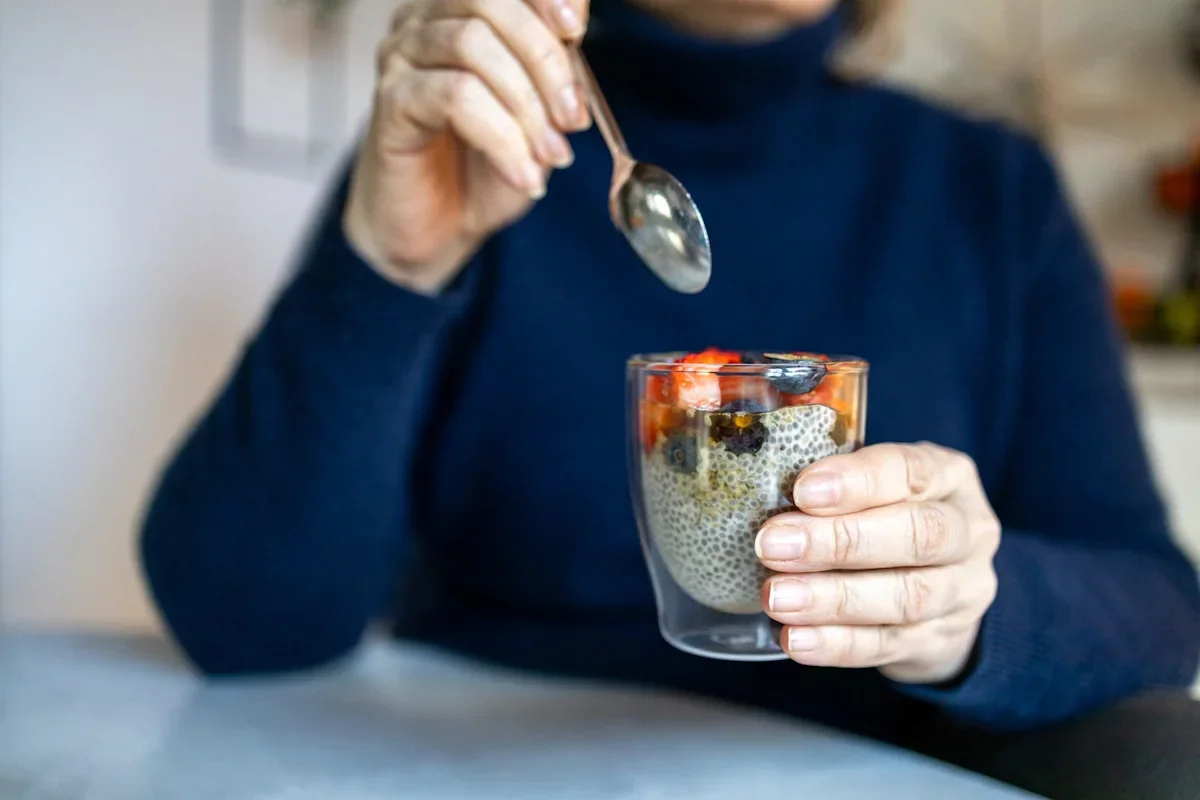
Salhab has outlined six specific swaps that fold ground or whole chia seeds into meals people already eat:
Blueberry chia yogurt: Mix a cup of Greek yogurt with a tablespoon of chia seeds, half a cup of blueberries, and a teaspoon of honey, then chill for 15 to 30 minutes.
Strawberry chia overnight oats: Combine half a cup of oats, a tablespoon of chia seeds, half a cup of milk, and half a cup of chopped strawberries, and refrigerate overnight.
Berry kefir smoothie: Blend a cup of kefir with a cup of mixed berries and a tablespoon of ground chia seeds.
Nut butter sandwich: Stir a tablespoon of ground chia seeds directly into peanut or almond butter before spreading it on bread.
Chia muffins: Add one to two tablespoons of chia seeds straight into muffin batter before baking.
Stuffed dates: Fill Medjool dates with chopped walnuts and ground chia seeds for a sweet, high-fiber snack.
Two of these swaps double as what nutrition writers call a synbiotic combination: pairing chia's prebiotic fiber with the probiotic cultures in kefir or Greek yogurt gives the gut both a food source and a microbial supply at once. Melting frozen berries with chia seeds is another low-sugar prep shortcut Salhab has suggested, effectively making a homemade "chia jelly" without added sugar.
What Chia Seeds Actually Do for Digestion and Blood Sugar
The nutritional case for chia holds up independent of format. The seeds carry both soluble and insoluble fiber, which supports regular bowel movements and feeds beneficial gut bacteria, and they're a plant-based source of alpha-linolenic acid, an omega-3 fatty acid. Fiber also slows gastric emptying, which is why chia is often linked to prolonged fullness and steadier blood sugar.
Separate nutrition reporting, citing dietitians Christy Brissette and Scott Keatley, adds a caveat worth carrying over: there's no single recommended chia dose, though a tablespoon a day is a common target, and seeds should be introduced gradually with plenty of water, since they expand on contact with liquid and can cause bloating or gas in people unaccustomed to a high-fiber diet.
None of that changes with grinding versus soaking. What changes is whether the format keeps someone eating chia seeds at all — and for a fiber habit to do anything for gut health, it has to survive past the first unpleasant glass of gel.
What the AHA's New Coffee Guidance Means for Heart and Liver Health
The American Heart Association's new statement on caffeine, paired with a 2026 Italian liver study, reshapes how much coffee is considered healthy and why brewing method matters.
Record Cyclospora Outbreak Tied to Taylor Farms Lettuce Grows to 15 States
A multistate Cyclospora outbreak tied to Taylor Farms iceberg lettuce has grown to 6,358 confirmed cases in 15 states, with illness onset dates that predate the recall window.
![Hundreds of millions of birds and mammals worldwide have been killed by the disease [File: Dado Ruvic/Reuters]](/uploads/1785854077180-Australia_warns_H5N1_likely_to_spread_after_first_mass_mortality_episode.webp)
Australia Confirms First H5N1 Mass Mortality Event as Bird Flu Spreads to a Second State
A confirmed H5N1 die-off in South Australian terns, a suspected Victorian cluster, and a case in a Coorong petrel mark a new phase of Australia's outbreak.
New Antiviral GHP-88310 Blocks Airborne Measles-Like Transmission in Ferret Study
GHP-88310, an oral antiviral, blocked airborne CDV spread in ferrets and cut sources' contagious period by 5 days, a new Nature Microbiology study finds.

Comments (0)
Please sign in to join the discussion.
No comments yet.
Be the first to share your perspective on this topic.