
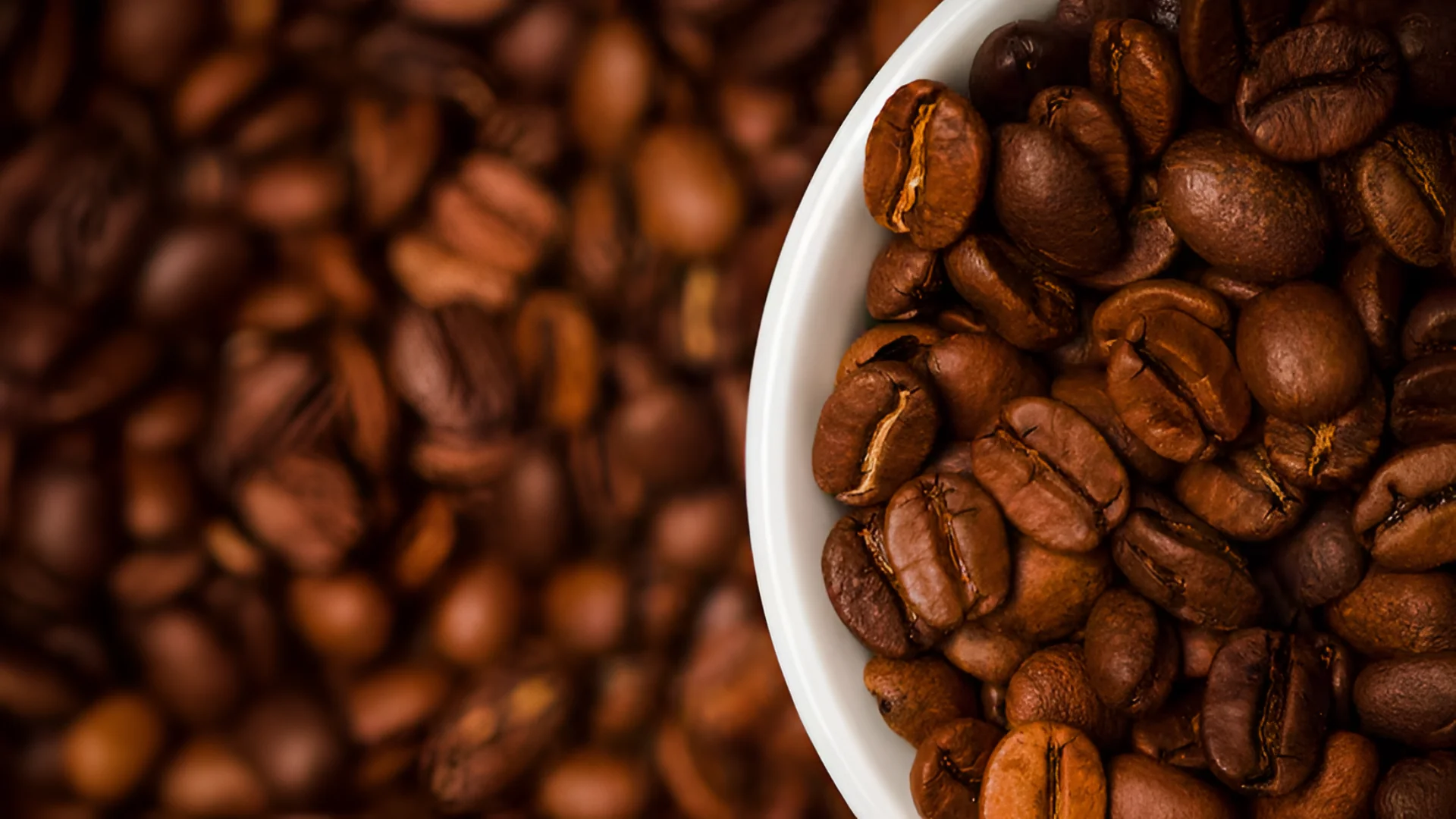
A new scientific statement from the American Heart Association says moderate caffeine intake, up to about 400 milligrams a day, is generally safe for most healthy adults, and a separate 2026 study adds evidence that daily espresso or moka pot coffee is linked to lower rates of a common liver disease.
A 400-Milligram Threshold Now Anchors AHA's Coffee Guidance
The AHA's statement, published in Circulation, sets 400 mg of caffeine as the upper bound most healthy adults can consume without added risk. That roughly matches five 8-ounce cups of brewed coffee, or two double-shot espressos plus one single shot. Within that range, the association's review of cardiovascular evidence links moderate coffee drinking to lower rates of heart failure, heart disease and stroke.
The number itself is not new territory for caffeine research, but the shift cardiologists describe is in framing: coffee is treated less as a substance to be minimized and more as a habit with a measurable safe range and specific exceptions worth naming. That distinction matters for a category of guidance that has swung between caution and reassurance for decades.
Why Three Cups Flips the Blood Pressure Risk Curve

The blood pressure data inside the statement is not a straight line, and that is the detail most likely to surprise readers. Among people who start with optimal blood pressure, drinking one to three cups of caffeinated coffee a day was linked to a higher risk of developing high blood pressure. Past three cups, that risk reverses, with higher intake associated with lower risk.
That U-shaped pattern is a reminder that "moderate" is doing real work in this guidance. A single-serving warning based on early findings would miss the reversal at higher intake, and a blanket "more is better" reading would miss the initial uptick. Anyone using blood pressure as their reason to track coffee intake needs the full curve, not just one end of it.
Cafestol in Unfiltered Coffee Complicates the Cholesterol Picture
Brewing method changes the chemistry more than most drinkers assume. Unfiltered coffee — espresso, French press, Turkish preparations — contains cafestol, a compound that can raise LDL cholesterol. Paper filtration removes most of it, which is why filtered drip coffee does not carry the same cholesterol signal.
Heart rhythm follows a similarly method-agnostic but dose-specific pattern. One to three cups a day was not associated with a higher risk of atrial fibrillation, the more serious rhythm disorder. Caffeine was, however, associated with a higher risk of premature ventricular contractions — extra heartbeats that are usually harmless but can feel like a skipped or fluttering beat. Separating these two findings matters clinically: AFib carries stroke risk and typically needs management, while PVCs are often incidental.
Espresso and Moka Pot Coffee Show a Dose-Dependent Drop in MASLD Odds

A study of 1,079 Italian adults, published in Frontiers in Nutrition in March 2026, found that daily espresso and moka pot coffee consumption was linked to a lower risk of Metabolic dysfunction-Associated Steatotic Liver Disease, or MASLD. The relationship tracked with dose: one cup a day was linked to 52% lower odds, two cups to 53%, three cups to 55%, and four to six cups to 59% lower odds.
Researchers point to the pressure-based extraction used in espresso and moka preparation, which does not pass through paper, as a reason these methods retain higher concentrations of diterpenes and chlorogenic acids. Both compounds have antioxidant and anti-inflammatory properties tied to lipid metabolism in the liver. That is a notable overlap with the cholesterol finding above: the same lack of paper filtration that raises LDL cholesterol risk via cafestol is, in this population, associated with a liver benefit. The study is observational and specific to Italian adults and Italian-style brewing, so it shows an association rather than proof that espresso prevents liver disease, and it does not resolve how the cholesterol and liver effects net out for an individual drinker.
Sugar, Energy Drinks and Who Should Still Be Cautious
Not all caffeine sources or preparations carry the same profile. Black caffeinated coffee, without sugar, syrups or cream, showed the strongest association with lower Type 2 diabetes risk in the AHA's review; added sugar was described as undercutting that benefit. Separately, high doses of caffeine from energy drinks and energy shots have been linked to elevated risk of high blood pressure and irregular heart rhythms, a different risk profile than moderate coffee drinking.
The statement also carves out groups who should check with a clinician before treating 400 mg as a default target: pregnant individuals, people with uncontrolled high blood pressure, and anyone experiencing sleep disruption or heart palpitations. For most other healthy adults, the emerging picture is dose- and method-specific rather than a single verdict on coffee — filtered or unfiltered, one cup or six, black or sweetened all change the calculus in measurable ways.
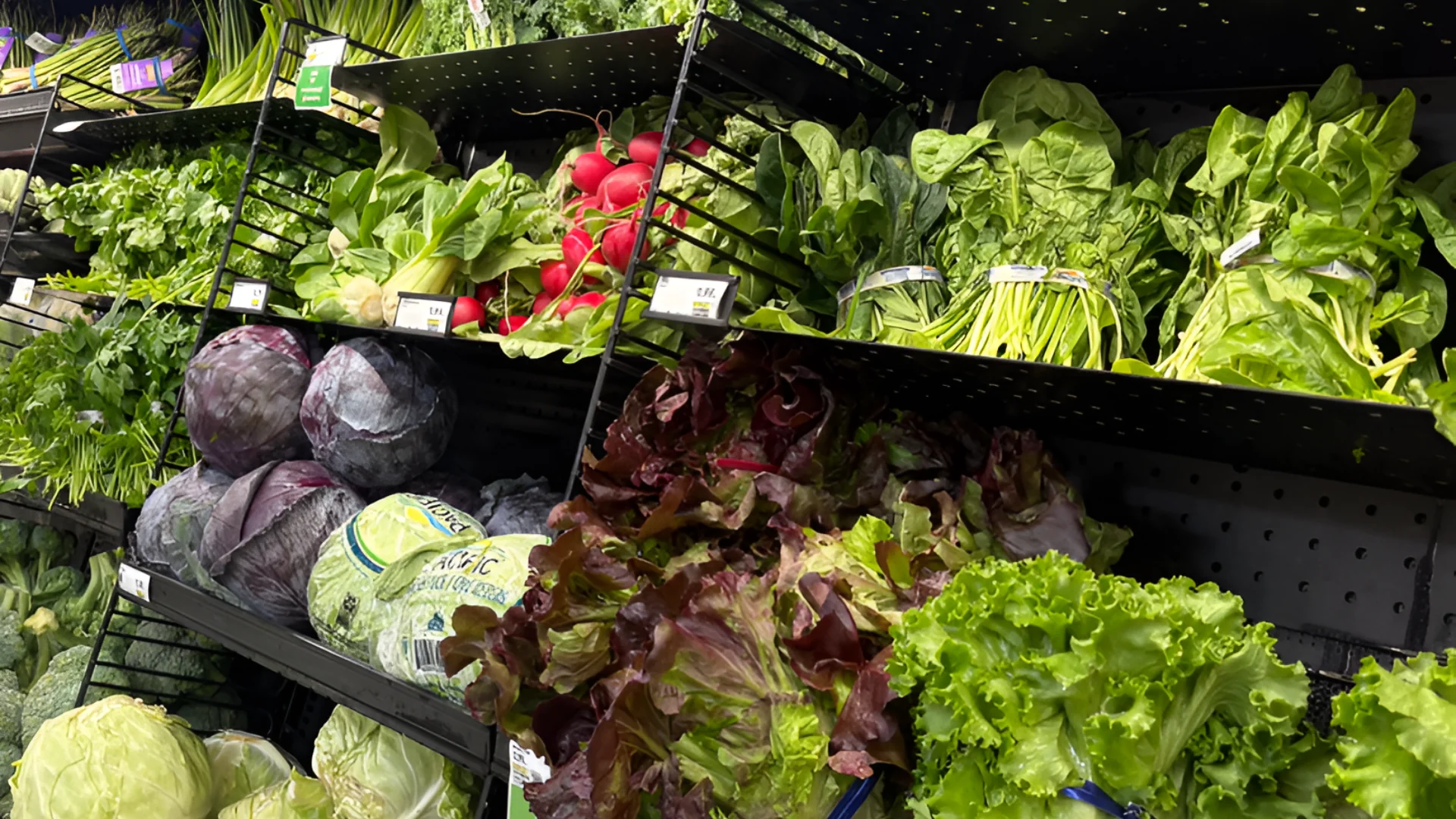
Record Cyclospora Outbreak Tied to Taylor Farms Lettuce Grows to 15 States
A multistate Cyclospora outbreak tied to Taylor Farms iceberg lettuce has grown to 6,358 confirmed cases in 15 states, with illness onset dates that predate the recall window.
![Hundreds of millions of birds and mammals worldwide have been killed by the disease [File: Dado Ruvic/Reuters]](/uploads/1785854077180-Australia_warns_H5N1_likely_to_spread_after_first_mass_mortality_episode.webp)
Australia Confirms First H5N1 Mass Mortality Event as Bird Flu Spreads to a Second State
A confirmed H5N1 die-off in South Australian terns, a suspected Victorian cluster, and a case in a Coorong petrel mark a new phase of Australia's outbreak.

Hate Chia Water? A Gastroenterologist's 6 Alternative Ways to Eat Chia Seeds
A gastroenterologist explains why grinding chia seeds — not soaking them in water — is the practical fix for fibermaxxing's texture problem.
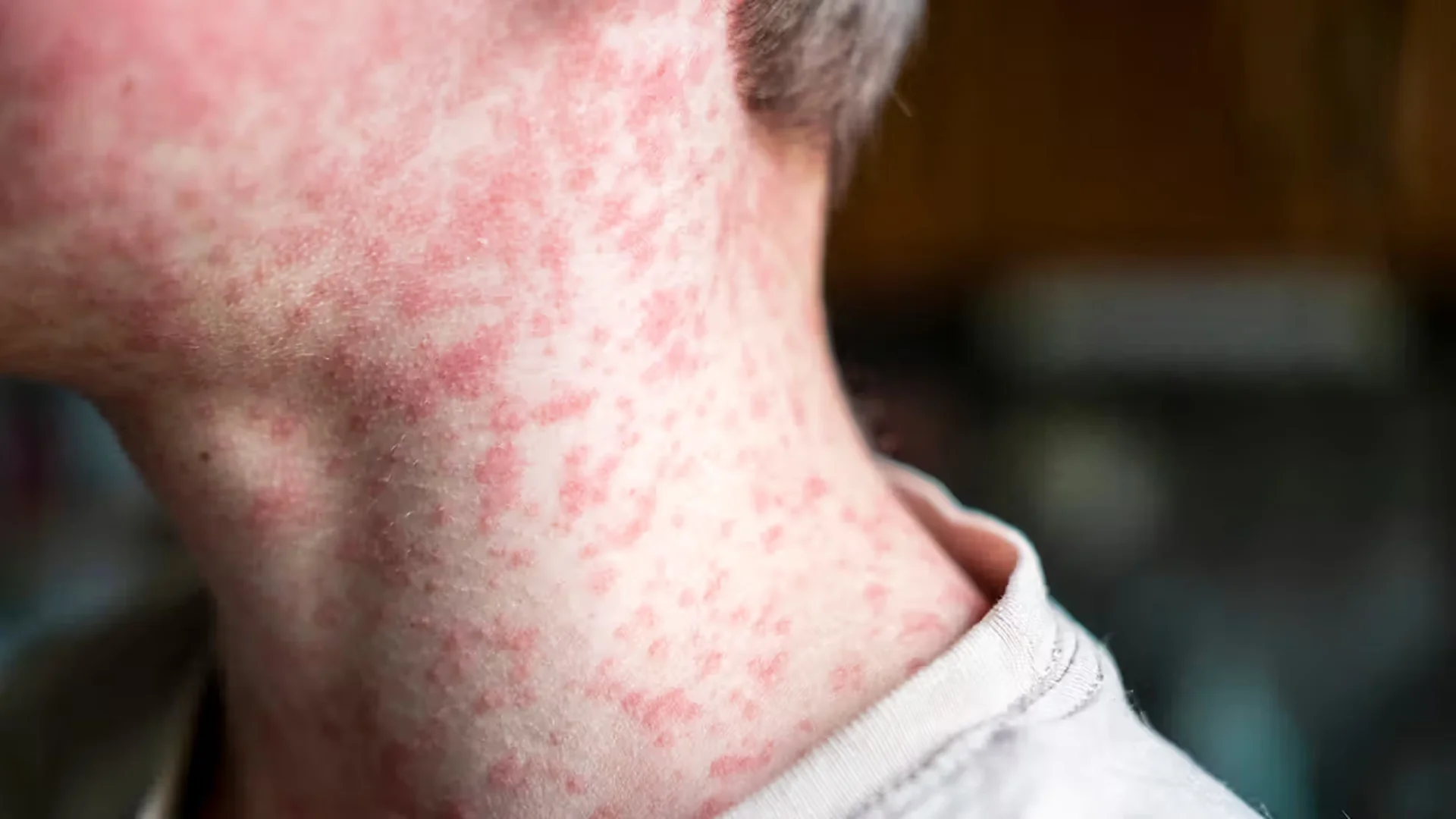
New Antiviral GHP-88310 Blocks Airborne Measles-Like Transmission in Ferret Study
GHP-88310, an oral antiviral, blocked airborne CDV spread in ferrets and cut sources' contagious period by 5 days, a new Nature Microbiology study finds.

Comments (0)
Please sign in to join the discussion.
No comments yet.
Be the first to share your perspective on this topic.