
Russia's economy is cooling fast enough to fuel predictions of crisis, yet the numbers point to something narrower: a fiscally exhausting plateau, not a crash.
Wartime Growth Has Cooled Into a Stagnant Plateau
The double-digit-adjacent expansion that defined 2023 and 2024, when real GDP growth topped 4%, has given way to something far flatter. Forecasts for 2026 cluster between 0.8% and 1.3%, and the first quarter of the year recorded a modest 0.2% year-on-year contraction. That dip alone has fed talk of recession, but tracking from Goldman Sachs and Russia's own VEB development bank reads the data differently: as a sluggish plateau rather than a turning point into contraction.
The distinction matters for how the war gets financed. A recession would force sharper choices about spending. A plateau lets the Kremlin keep running large deficits a while longer, betting that stagnation is tolerable as long as the state can still pay its bills.
The National Wealth Fund Has Shrunk From Cushion to Sliver
The more telling number sits off the GDP headline entirely. Russia's National Wealth Fund, the sovereign reserve built to absorb exactly this kind of strain, has been drawn down from 6.5% of GDP at the start of the 2022 invasion to just 1.8% of GDP by April 2026 in liquid assets. That is the clearest sign that wartime spending has been running ahead of ordinary revenue for years, with the gap closed by spending down a finite buffer rather than by sustainable growth.
A reserve at 1.8% of GDP is no longer a meaningful shock absorber. It narrows the Kremlin's options considerably if oil prices fall or sanctions enforcement tightens further, and it raises the odds that the state turns to less comfortable levers, including higher domestic taxes, forced borrowing from state-linked banks, or pressure on private deposits, to keep the budget funded.
Military Spending and a Tight Labor Market Show the Cost of the War Footing
The fund has shrunk because the budget hasn't. Defense and national security spending now accounts for nearly 40% of the federal budget, equivalent to roughly 7% to 8% of total GDP, with the deficit running around 3%. That level of military outlay, sustained for years rather than a single emergency budget cycle, is the structural reason the reserve has been drained rather than replenished.
The labor market shows the same overheating from a different angle. Unemployment sits near record lows of 2% to 3%, which on its own reads as a strength. In context, alongside ballooning defense spending and an economy that has shifted workers and output toward military production, it instead points to severe labor shortages and an economy stretched thin rather than one expanding on its own terms. Living standards have risen in the same period, real GDP per capita is up 12% since 2022 and real wages are roughly 25% above 2019 levels, but that improvement has come from a war-spending-driven labor crunch pushing wages up, not from broad-based productivity gains.
Sanctions Are Narrowing the Gaps Even as Oil Windfalls Buy Time
The pressure isn't only internal. Russia depends on Chinese intermediaries for an estimated 90% of its sanctioned, dual-use technology imports, including AI-enabled hardware, a dependency that leaves Moscow's procurement of advanced components exposed to a single counterpart's cooperation. The European Union's 20th sanctions package, adopted in April 2026, along with heightened US pressure on Rosneft and Lukoil, has tightened some of the export workarounds that had kept revenue flowing.
Even so, energy markets have handed Moscow short-term relief. Volatility tied to tensions around Iran pushed Brent crude above $118 a barrel, and the federal budget picked up an additional 175 billion rubles in oil and gas revenue in May alone. That kind of windfall doesn't reverse the structural drawdown of reserves, but it buys time, and time is the resource the Kremlin most needs while it weighs higher domestic taxes, forced borrowing, or other measures to keep the deficit financed.
None of this points to imminent collapse. It points to a state spending down a finite reserve to sustain a war footing that its own labor market and budget can't easily support indefinitely. Whether that becomes unsustainable depends less on any single indicator than on how long oil prices stay elevated, how tightly sanctions actually close the Chinese-intermediary gap, and how much political cost the Kremlin is willing to absorb from higher taxes or pressure on private savings. Researchers at the Kiel Institute, cited in current Russia-focused analysis, argue the headline stability masks structural erosion that will constrain Russia's civilian economy well beyond the current budget cycle, even if no single quarter looks like a crisis.
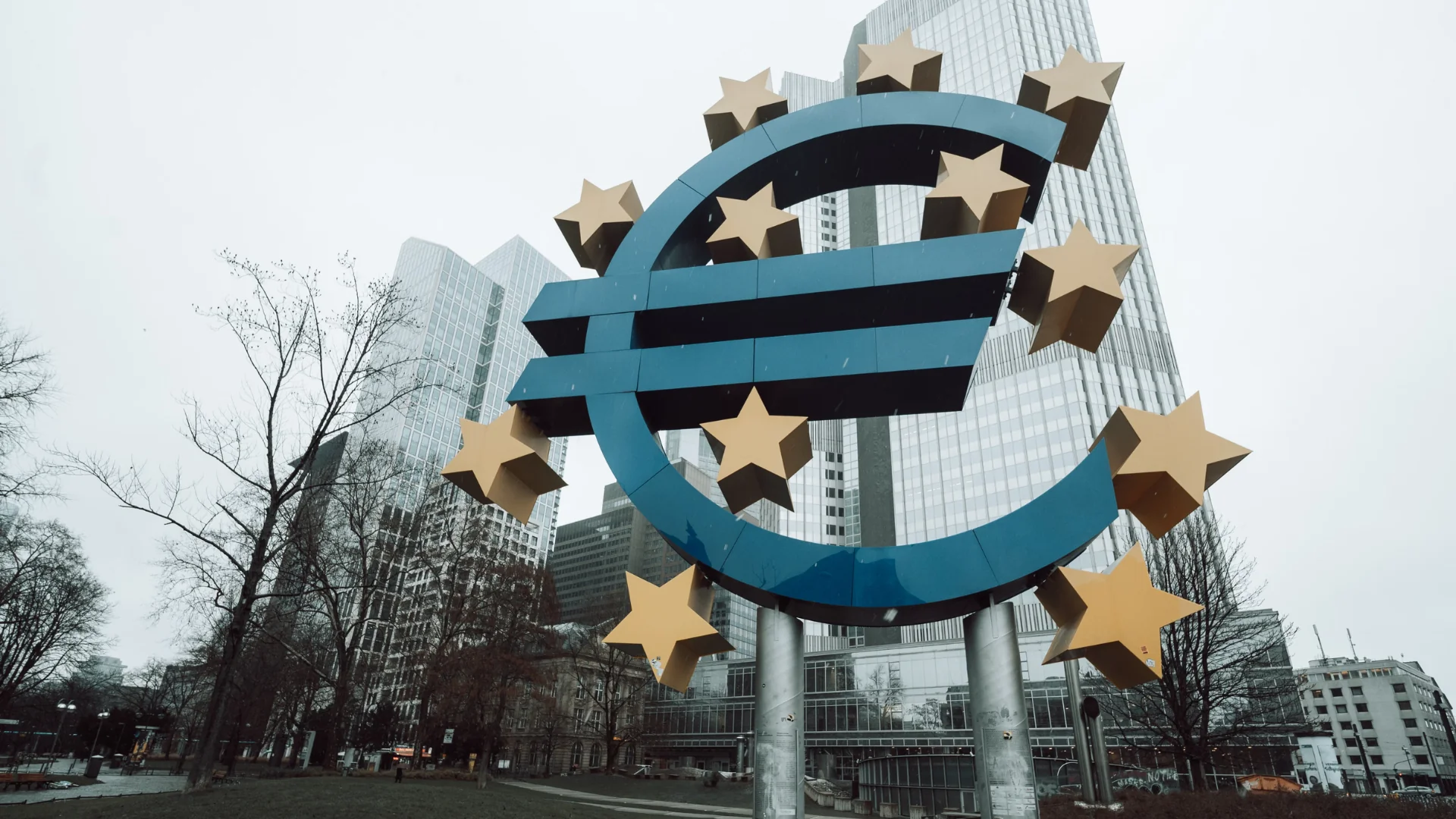
Europe's Debt Pile Is Nearing €1 Trillion. It's Still Not a Safe Asset
EU bonds are AAA-rated and near €1 trillion, but a 50-basis-point spread over German Bunds explains why a true European safe asset still doesn't exist.

US Economy Grows a Sluggish 1.5% in Q2 as Inflation Stays Stuck Near 3.7%
Commerce Department data show Q2 GDP grew 1.5%, below forecasts, as PCE inflation eased to 3.7% and three Fed officials pushed for a rate hike.
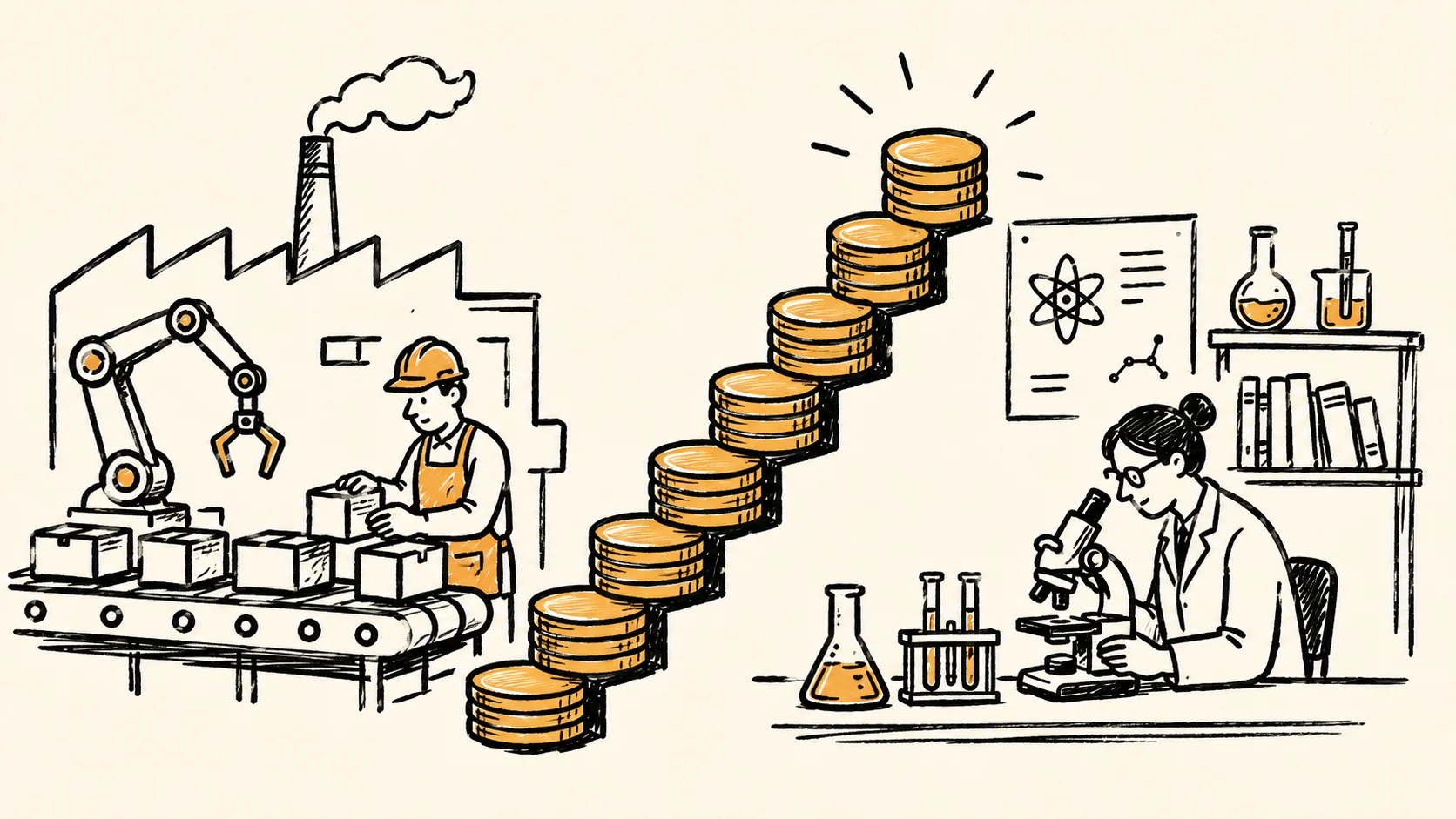
The Middle-Income Trap, Explained: Why Only 34 Economies Have Escaped Since the 1990s
108 economies are stuck in the "middle-income trap," per the World Bank. Here's what the trap is, how South Korea escaped it, and what's holding Vietnam back.
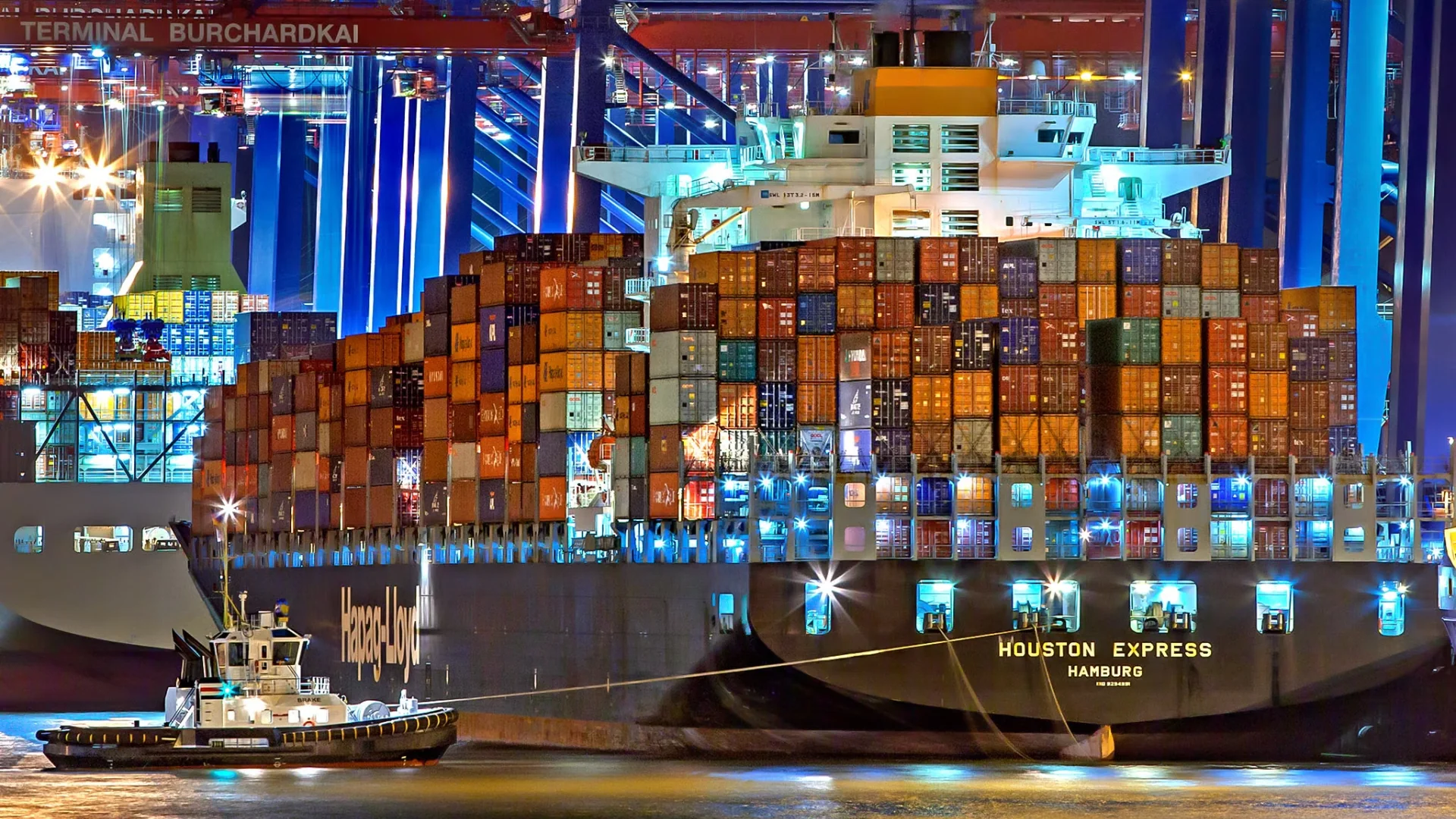
Trump's New 10%–12.5% Tariffs Take Effect on 60 Nations, Draw an Immediate Lawsuit
New Section 301 tariffs of 10%-12.5% hit 60 countries on July 24, replacing lapsed duties. Two small businesses sued hours later in U.S. trade court.
Comments (0)
Please sign in to join the discussion.
No comments yet.
Be the first to share your perspective on this topic.