

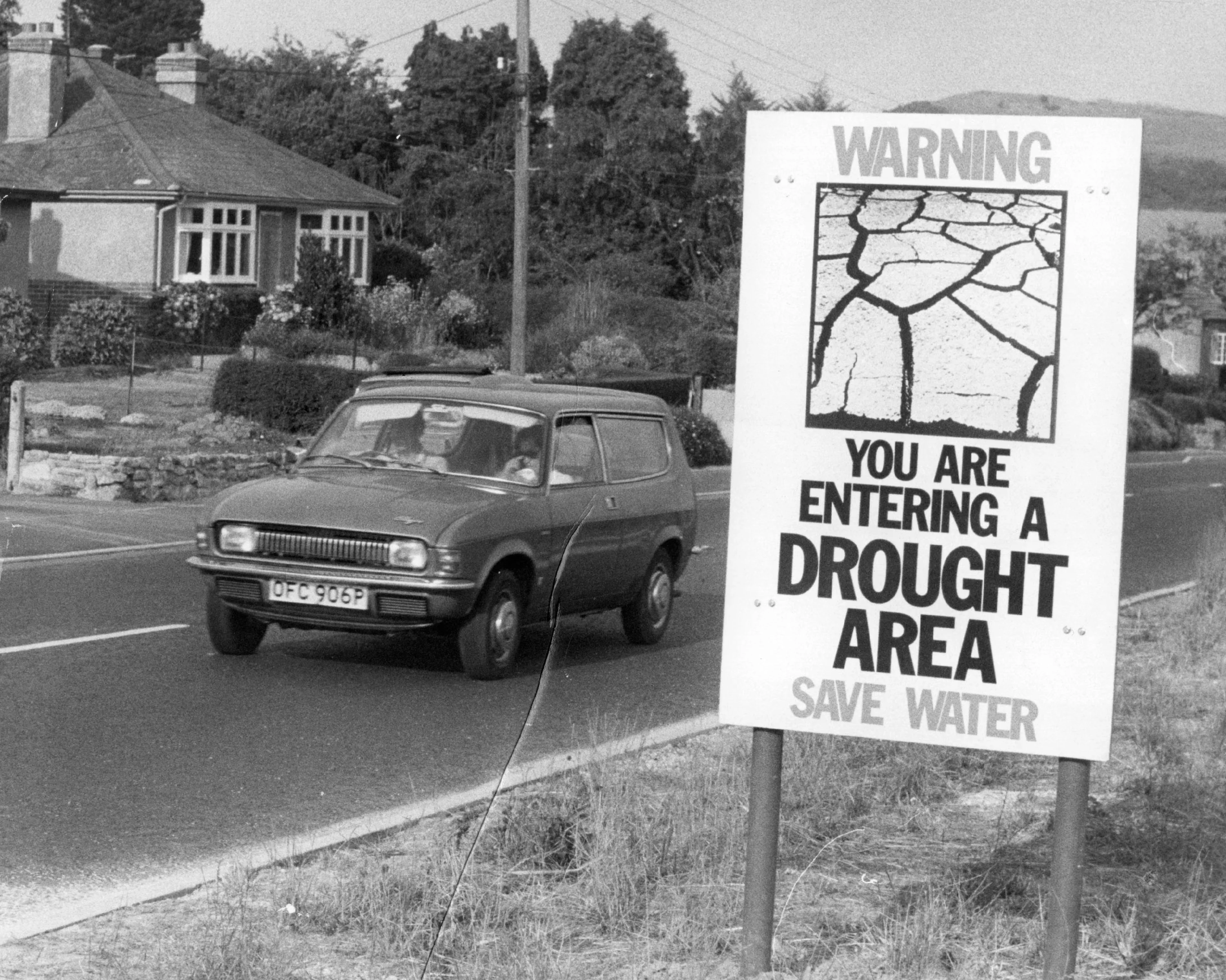
A slow-moving mass of Saharan air settled over Western Europe this week with almost no wind, and the lack of overnight cooling it produced is now showing up in drowning statistics, rail timetables, a reactor shutdown and water restrictions across several countries.
Why the Absence of Wind, Not Just Heat, Is Driving the Danger
What sets this event apart from a typical hot spell is the stillness. Climate scientists describe the heat mass as a "silent killer" precisely because the air is not moving — there is no breeze to pull heat away after dark, so temperatures stay dangerously high through the night as well as the day. The overview of the heat mass moving across France, Spain and Italy describes this lack of nighttime relief as a defining feature of the current system, distinct from daytime peak heat alone.
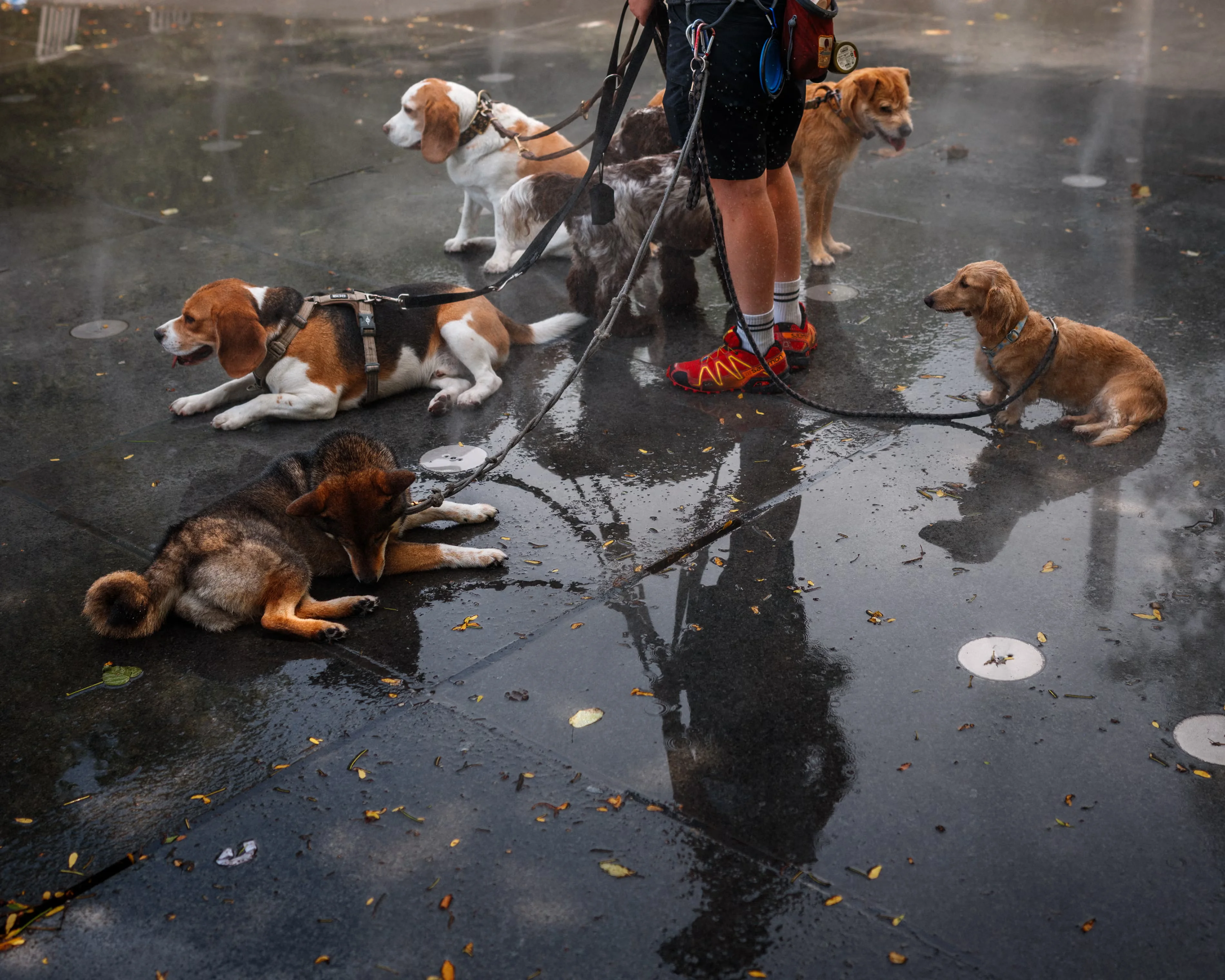
That mechanism matters because it explains why France's crisis has centered on water. Prime Minister Sébastien Lecornu confirmed at least 40 drowning deaths since June 18, primarily among young people swimming in unsupervised areas to find relief from heat that does not let up at night. Tuesday, June 23, was registered as the hottest day in France since national tracking began in 1947, with a national heat index averaging 29.8°C (85.6°F) across day and night combined. A peak of 44.3°C was recorded in Pissos, in the Landes region, while Bordeaux reached an all-time high of 42.1°C.
France's Heat Alerts Reach Infrastructure Built for a Different Climate
Fifty-four French administrative departments were placed under the maximum "red heatwave alert," and the strain reached beyond public health into physical infrastructure. The Eiffel Tower closed eight hours early, at 4pm on Tuesday, and the Louvre shortened its hours by two, both citing heat buildup inside historic buildings that were not designed to shed it. At the Golfech nuclear plant, staff shut down a reactor after the river water used for cooling passed 28°C, a temperature too close to the safety threshold for continued operation. Together, these closures and the reactor shutdown show heat affecting systems with no direct connection to one another — tourism, cultural sites, energy generation — through the same underlying constraint: buildings and machinery engineered for a cooler baseline.
UK Rail Operators Cut Services as a Red Warning Meets an Existing Bottleneck
In the UK, the Met Office issued only its second-ever red extreme heat warning, covering Wednesday and Thursday, with forecasts of up to 40°C in southern England and Wales. Network Rail issued an "essential travel only" advisory for lines inside the red-warning zone, because extreme heat risks expanding or buckling steel rails and sagging overhead electric wires. Chiltern Railways cut more than half its timetable in response, and LNER discouraged travel on both days while letting passengers shift unused tickets to Friday.
The disruption is compounded by an unrelated problem: the rail network is already bottlenecked by ongoing investigation and repair work following a fatal two-train collision at Bedford the previous Friday. Coverage of the rail advisories and service cuts frames the heat-driven reductions as landing on top of that existing capacity strain, rather than as an isolated event — meaning the practical effect for passengers is worse than either problem would produce on its own.
Water Demand and Outages Collide Across Southern England
South East Water introduced a hosepipe ban across Kent, Sussex, Surrey, Hampshire and Berkshire after demand surged well beyond seasonal norms. On Sunday, June 21, the company supplied 644 million liters of water, 56 million liters above its June average. Reporting on the hosepipe ban and surging demand ties the restriction directly to that demand spike rather than to a separate supply failure.
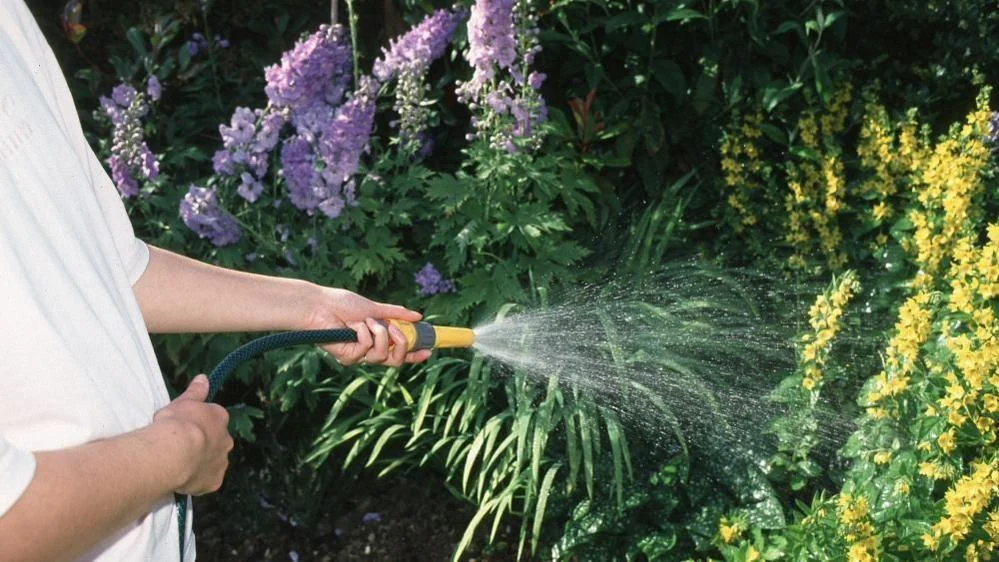
Other parts of the region are losing water access for different reasons that happen to coincide with the heat: a burst main in Witney and a third-party chemical pollution incident in West Oxfordshire left residents without water, or with severely reduced pressure, during the peak of the alert. The combination — rising demand in one area, unrelated supply failures in another — illustrates how a single heat event can expose several independent weak points in water infrastructure at once.
Southern Europe's Numbers and the UK's Housing Design Gap
The heat extended well beyond France and the UK. In Spain, 101 of 828 weather stations breached 40°C on Monday, and in Almería, overnight temperatures failed to drop below 30°C for three consecutive nights. Italy declared red alerts in 15 major cities, including Rome and Milan, and a surge in air conditioning use triggered localized grid blackouts in Milan and Turin.
In the UK, the response has turned toward a structural problem: housing stock built to retain heat rather than reject it. Guidance on adapting homes to extreme heat recommends closing windows and external shutters during peak daylight hours, rather than ventilating with hot outside air, and using foil-backed emergency blankets taped to south-facing windows to reflect solar radiation before it enters the building. That advice addresses immediate exposure; it does not address the underlying design issue that longer-term analysis of the UK becoming a higher-heat country raises, which is that housing built for a cooler climate cannot be fully fixed with short-term shading alone.
At a London Climate Action Week event, UN Secretary-General António Guterres connected the heat directly to fossil fuel use, telling the audience that "London isn't just calling. It's cooking," and arguing that the heat events now appearing across multiple countries share a common root in continued reliance on hydrocarbons. That is Guterres's stated position rather than an attribution finding drawn from the source material on this specific event, and it sits alongside — rather than replacing — the more immediate, verified picture: a stalled mass of hot air with nowhere to go, and infrastructure across several countries responding to it in real time.
17 States Sue California Over SB 54 Plastics Law
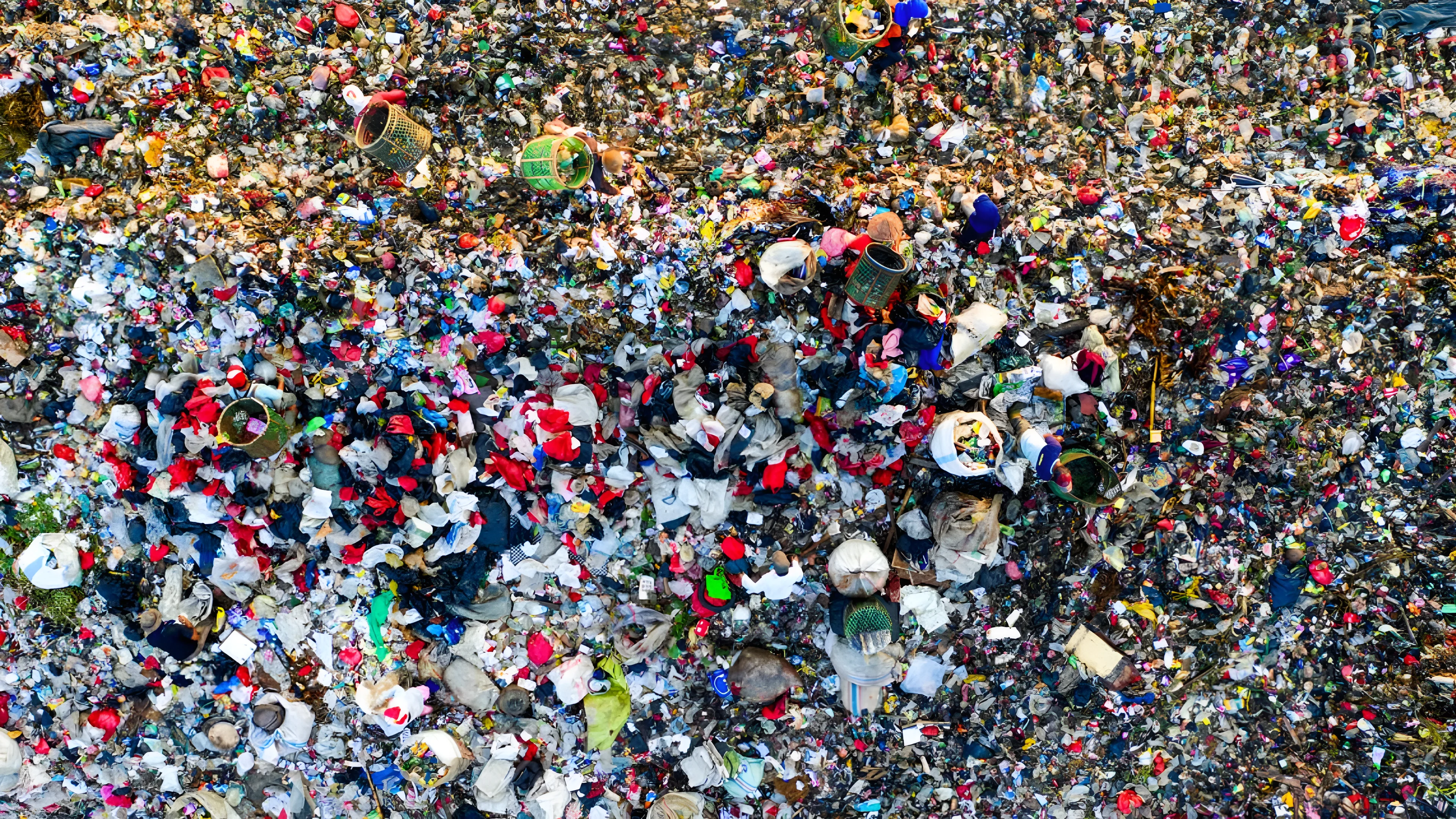
A multistate lawsuit challenges California's SB 54 plastics law, citing Commerce Clause, First Amendment, and delegation concerns, as a parallel suit says the rules are too weak.

MMA Thermal Runaway: Garden Grove Tank Incident
A methyl methacrylate storage tank at GKN Aerospace in Garden Grove, California overheated in May 2025. This explainer covers the exothermic polymerization mechanism that makes MMA storage hazardous and what the incident timeline revealed.
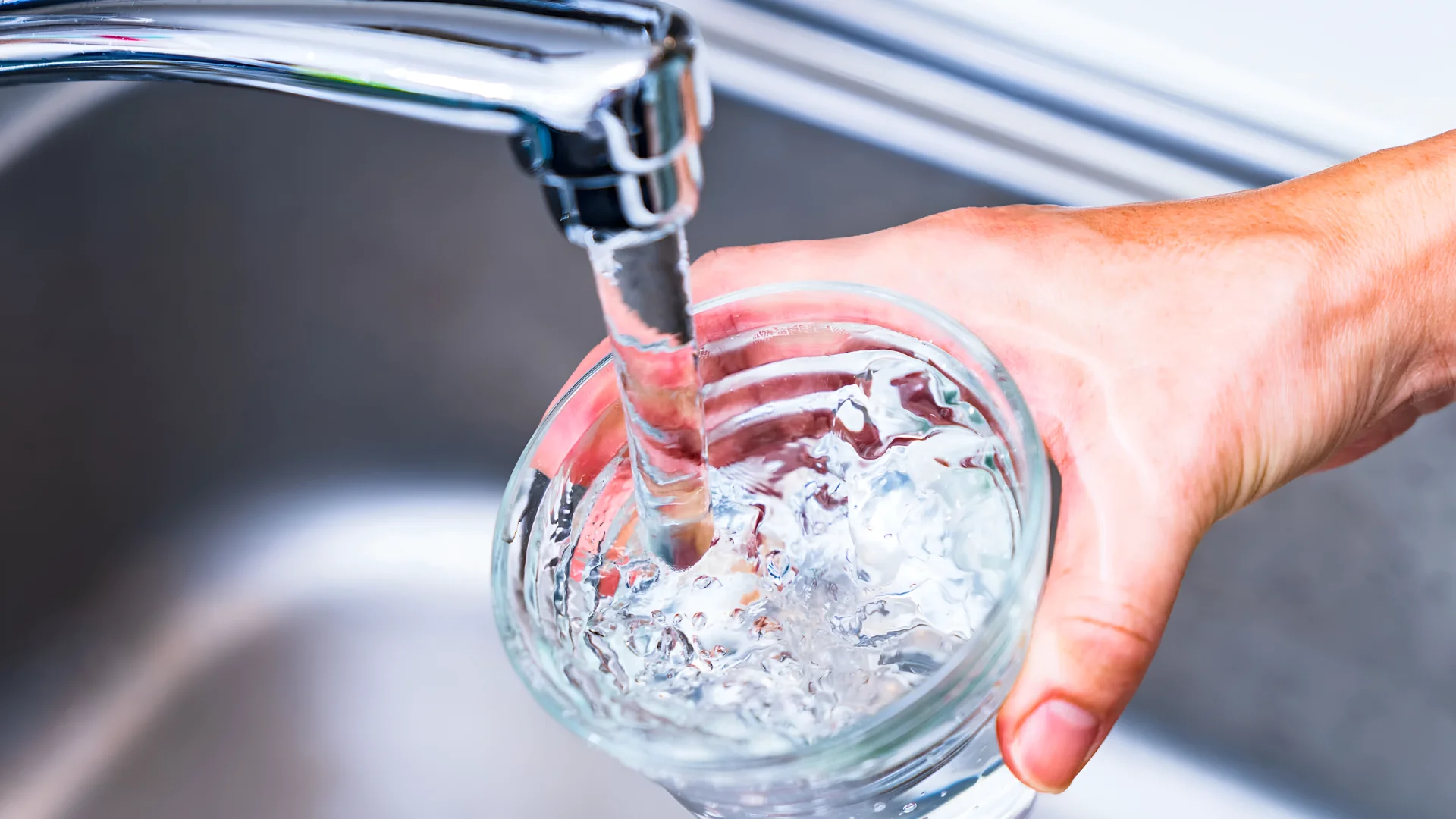
Tap vs. Bottled Water: PFAS and Microplastics Risk
New research shows bottled water carries far more nanoplastics than treated tap water, while tap water faces PFAS contamination in nearly half of U.S. systems. What consumers can actually do.

Comments (0)
Please sign in to join the discussion.
No comments yet.
Be the first to share your perspective on this topic.