

Yahoo's private-equity owner has spent five years rebuilding a company most people associate with the dot-com era. New audience figures suggest that work is landing with a demographic the brand's reputation would not predict.
Apollo's $5 Billion Bet Became One of Its Fastest-Returning Deals
Apollo Global Management completed its purchase of Yahoo, then still branded Verizon Media, in September 2021. The deal was structured as $4.25 billion in cash plus $750 million in preferred interests, with Verizon retaining a 10% stake in the newly independent company. The price marked a roughly 96% decline from Yahoo's peak valuation of about $125 billion during the 2000 dot-com boom.
To pay down the debt used to finance the acquisition, Yahoo sold Yahoo Japan and its EdgeCast content delivery network within months of the deal closing. It has since divested Engadget and TechCrunch and pulled back from original newsroom reporting, describing itself now as a news aggregator rather than a producer. CEO Jim Lanzone has called the turnaround Yahoo's "white whale," and Axios has reported the company has become one of Apollo's fastest-returning investments.
Yahoo Mail Skews Younger Than Its Legacy Image Suggests
CEO Jim Lanzone told Nieman Journalism Lab that about half of Yahoo Mail's users are Gen Z or Millennial, a figure he said surprises people who assume Yahoo is a service their parents still use. That number sits close to, but noticeably above, a separate estimate: Business Insider reported, citing Similarweb, that Gen Z and Millennial visitors make up roughly 45% of Yahoo's total U.S. traffic. Neither source ties the two figures together, but placed next to each other they suggest Yahoo Mail specifically skews younger than the platform overall, which would track with younger users treating email as one more app tied to a persistent identity rather than a legacy inbox.
Yahoo Builds AI Features on Borrowed Models, Not Its Own
Where Google, Meta, and OpenAI compete on proprietary foundation models, Yahoo has taken a different route. Its AI features, such as inbox organization in Yahoo Mail and automated recaps of sporting events, run on large language models licensed from OpenAI and Google along with open-source alternatives, rather than a model Yahoo trained itself. That choice may reflect the same cost discipline visible in Yahoo's post-acquisition asset sales: building and maintaining a frontier model is a capital-intensive bet that a leveraged buyout typically avoids in its early years. It also lands at a moment when Google's own search results are shifting toward AI-generated summaries, pushing some users toward alternatives readers are turning to as Google's results change, a landscape where Yahoo's simpler, aggregator-style search and mail products compete less on model sophistication than on familiarity.
What the Numbers Still Don't Confirm
Some parts of Yahoo's turnaround story are harder to pin down than the audience figures. Reporting is inconsistent on exactly when Jim Lanzone became CEO: most accounts, including Fortune's, describe him taking over in 2021 alongside the Apollo deal, while at least one secondary aggregator dates his start to 2023. The most recent public revenue estimate, roughly $8 billion with what Axios called a significant profit margin, dates to 2023, and no more current figure was independently confirmed. Lanzone has floated the idea of an eventual IPO, telling Axios Yahoo could go public again "as one company," but no timeline has been set. Apollo and Verizon's current ownership split is reported around 90% to 10% in 2026 write-ups, consistent with the original 2021 structure, though none of the available sources point to an audited disclosure confirming that figure has held constant. Readers weighing how much of Yahoo's turnaround is complete, rather than still in motion, should treat those specific numbers as provisional until Yahoo or Apollo confirm them directly.
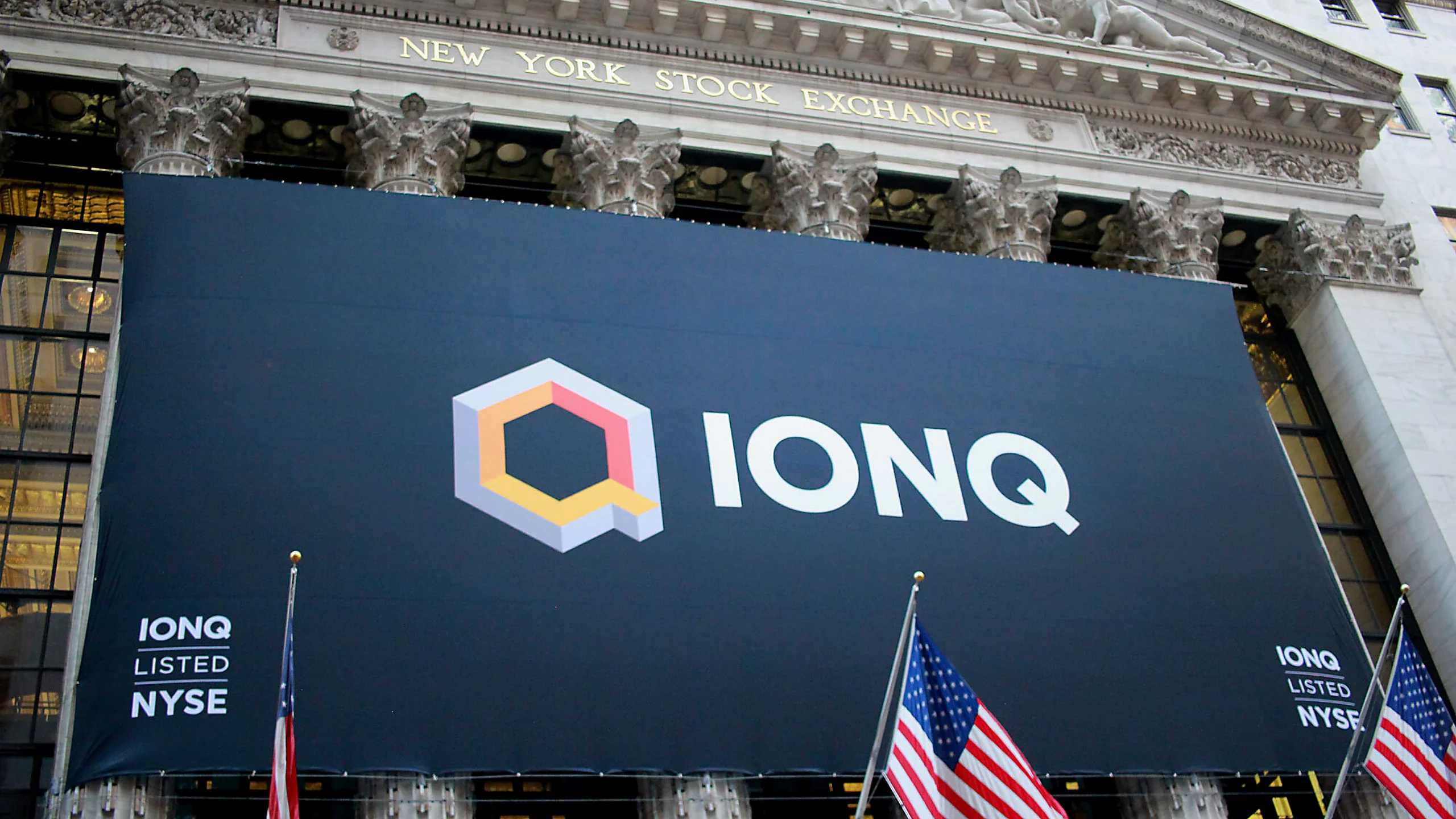
IonQ's Revenue Jumped 287% in Q2 2026, but Its Stock Is Still 47% Below Its High
IonQ's Q2 2026 revenue rose 287% to $80.1 million and guidance climbed to $280-$290 million, yet IONQ shares still trade 47% below their October peak.

Inside Netflix's Adaptive Bitrate Engine: How Streams Survive Bad Networks
Netflix's adaptive bitrate streaming re-encodes video per shot, lets the client pick quality every few seconds, and now applies variable bitrate to every live event as of January 2026.

TypeScript's Go Rewrite Officially Merges Into the Main Repository
Microsoft merged 2,495 commits from typescript-go into microsoft/TypeScript on Aug. 20, replaying full git history as it folds the Go compiler home for good.

Zero-Click Search Hit 68% as Publishers Weigh Blocking Google
Google's AI Overviews cut click-through for the top result from 27% to 11%, and llms.txt, the fix marketers pitch, shows no measured citation lift yet.
Comments (0)
Please sign in to join the discussion.
No comments yet.
Be the first to share your perspective on this topic.