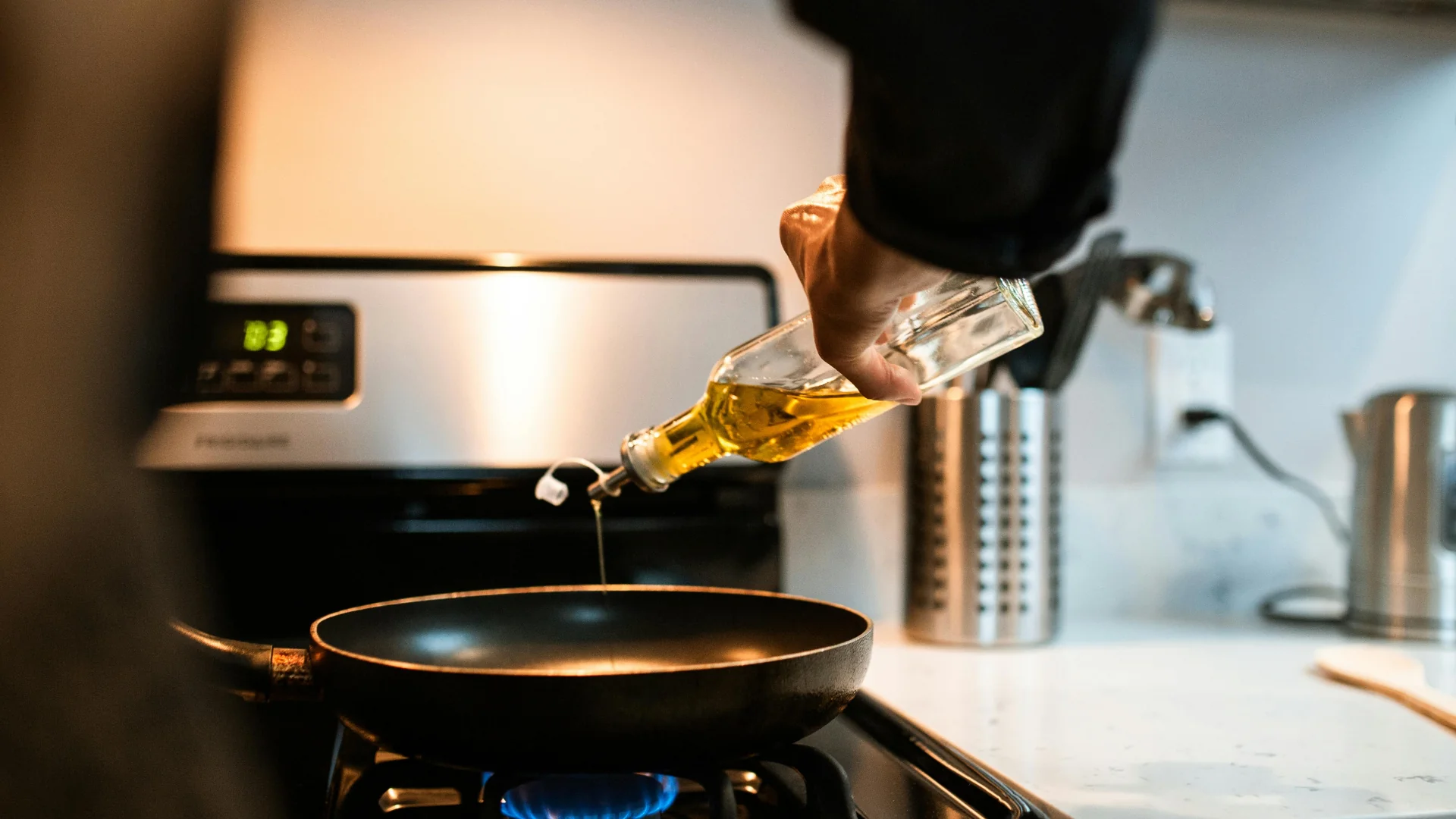
QuEChERS-GC-MS Detects PAHs in Food: Key Findings
A peer-reviewed 2025 study from SeoulTech optimized a QuEChERS-GC-MS method for PAH detection in foods, reporting validated recovery rates of 86–109% and LODs as low as 0.006 µg/kg.
Documenting the latest breakthroughs in scientific research, space exploration, and human discovery, BytePith Science is your window into the wonders of the natural world and beyond. We translate complex scientific papers into engaging stories about climate science, astrophysics, and revolutionary laboratory findings. Our mission is to foster curiosity and provide an authoritative look at the evidence-based discoveries that expand our understanding of existence.
A peer-reviewed 2025 study from SeoulTech optimized a QuEChERS-GC-MS method for PAH detection in foods, reporting validated recovery rates of 86–109% and LODs as low as 0.006 µg/kg.

New observational research published in the British Journal of Sports Medicine links 10 weekly hours of exercise to a 30%-plus drop in cardiovascular risk, well above the 150-minute WHO guideline.
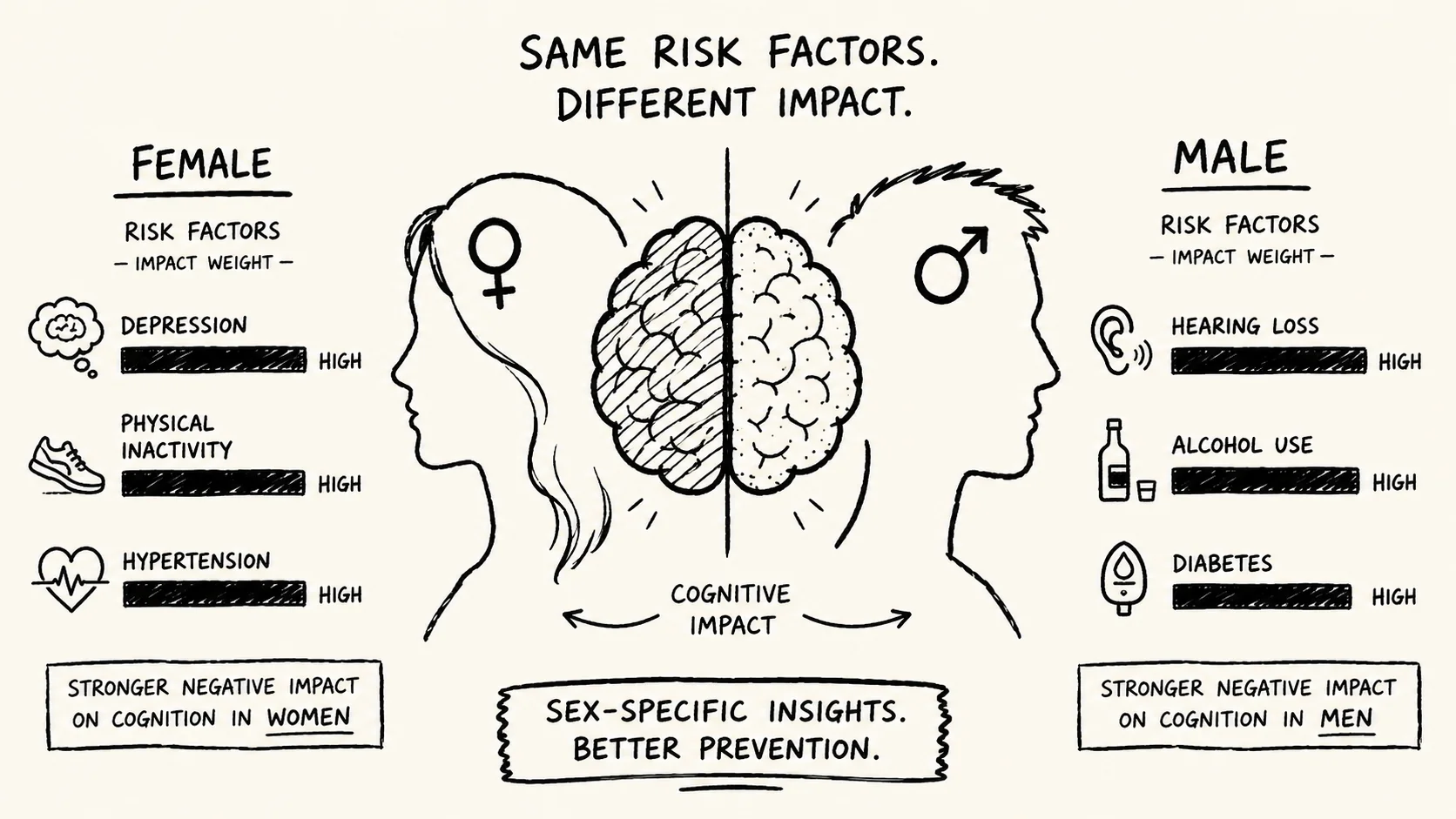
New research published in Biology of Sex Differences finds that modifiable dementia risk factors affect women's cognition more severely than men's, even when prevalence is similar — pointing toward sex-tailored prevention strategies.

Despite centuries of effort and modern precision instruments, Newton's gravitational constant G is known to only 3 significant figures. NIST and BIPM are running a rare cross-laboratory replication to find out why high-precision experiments keep disagreeing.

The Psyche spacecraft completed a Mars gravity assist on May 15, 2026, swinging past the planet at over 12,000 mph to redirect its trajectory toward metallic asteroid 16 Psyche without burning extra propellant.
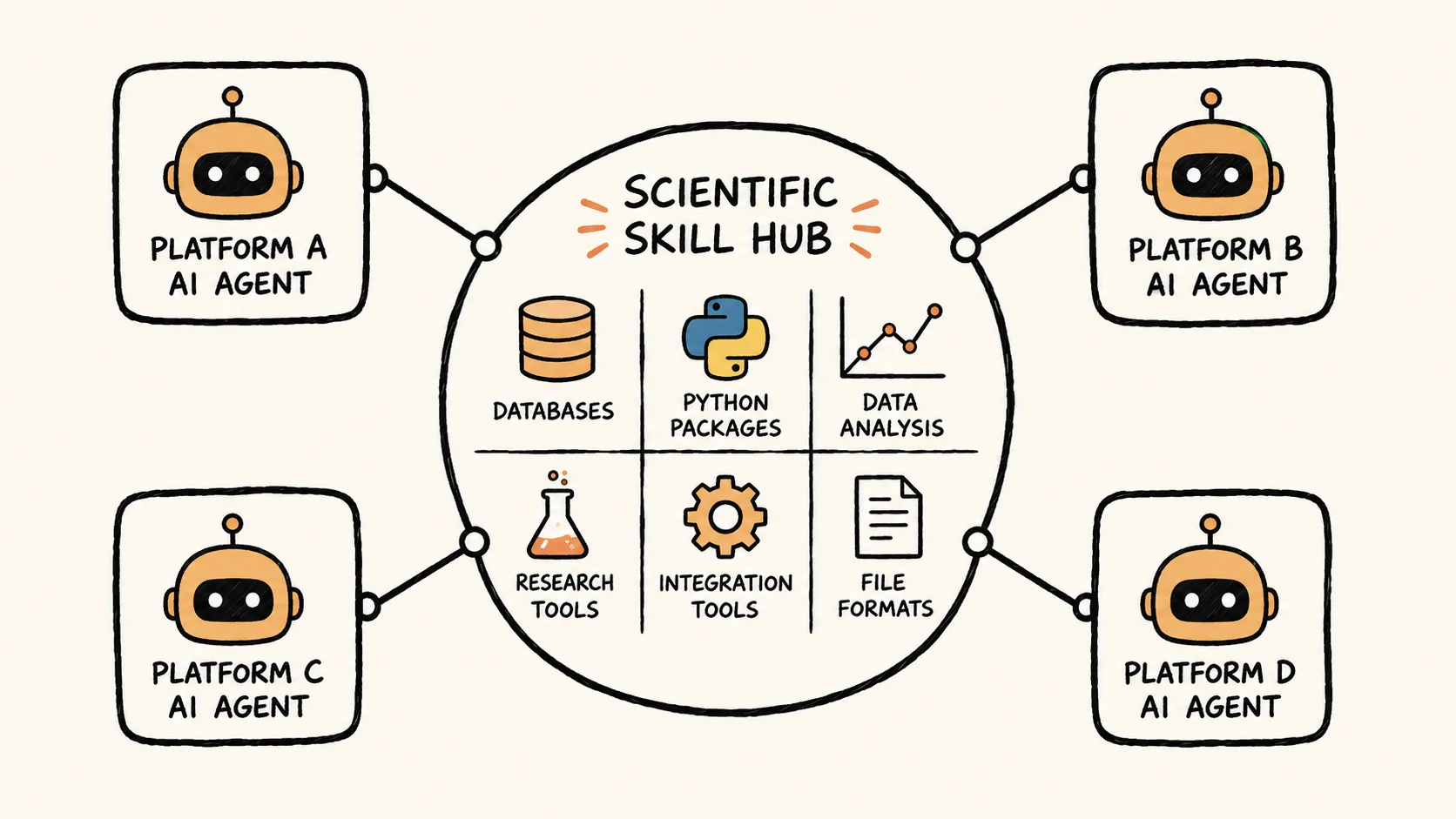
K-Dense has renamed its open-source repository to Scientific Agent Skills and launched K-Dense BYOK, a desktop co-scientist supporting 40+ models and local-to-cloud scaling via Modal.
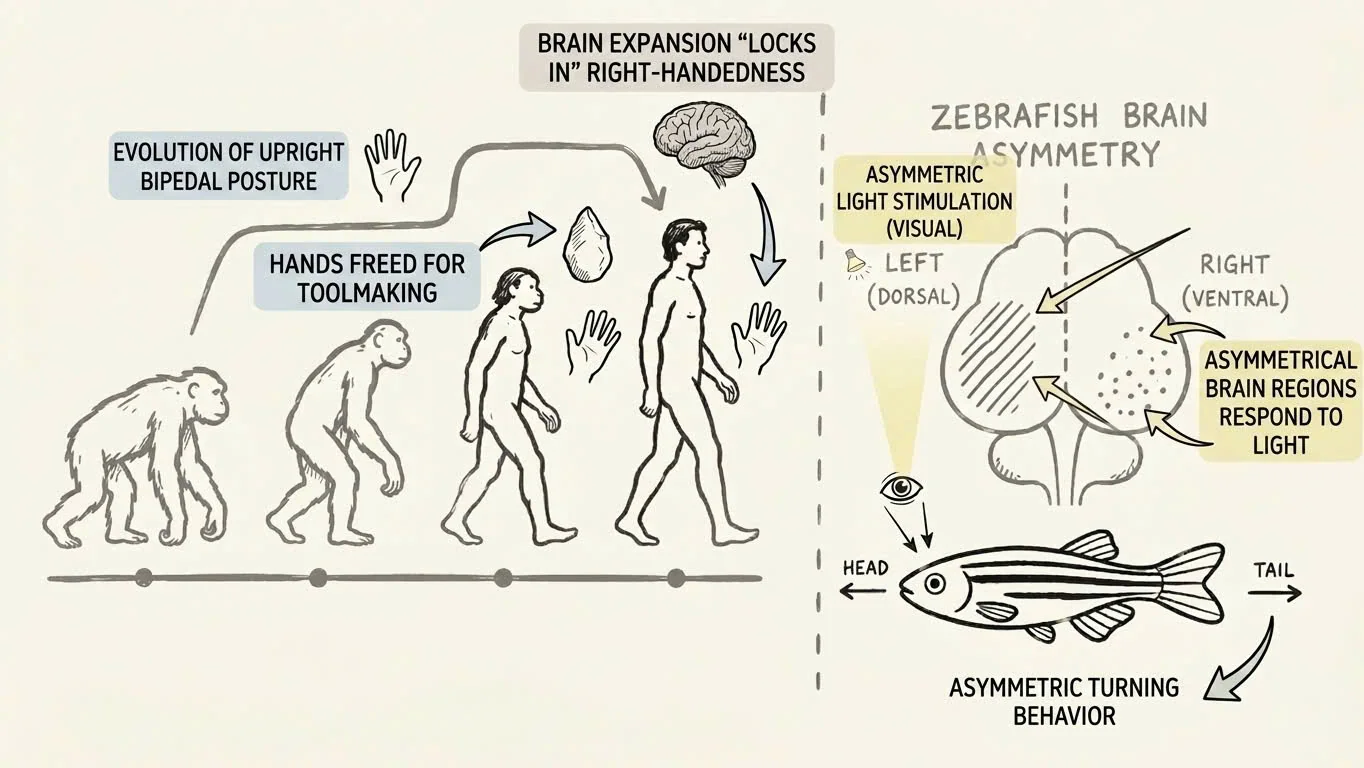
New Bayesian modeling across 2,025 primates shows that walking upright and encephalization, not culture or tool use alone, explain why ~90% of humans favor their right hand.
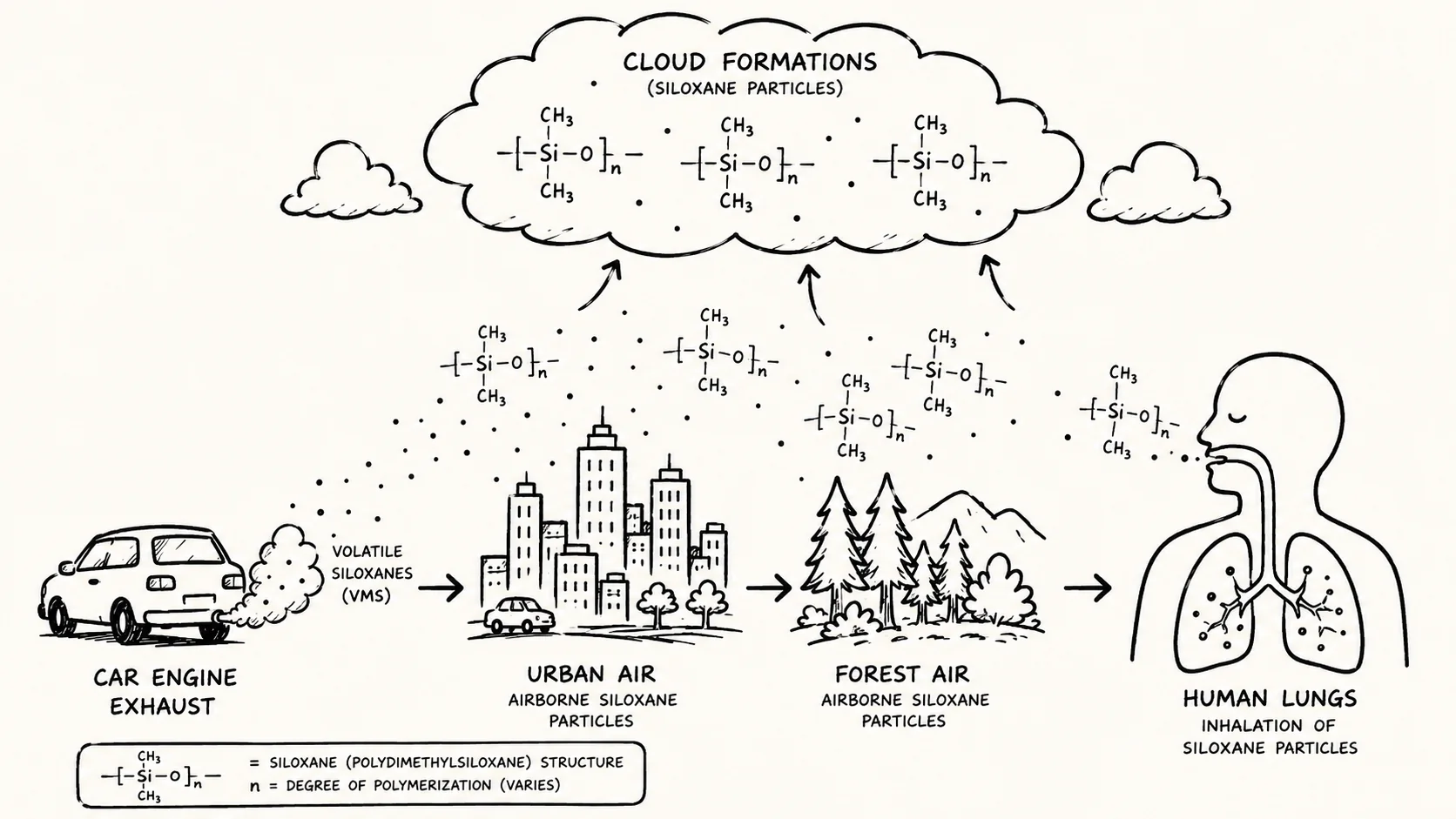
Researchers measured methylsiloxanes in atmospheric samples globally, tracing the source to vehicle exhaust and raising questions about human inhalation exposure and cloud formation interference.