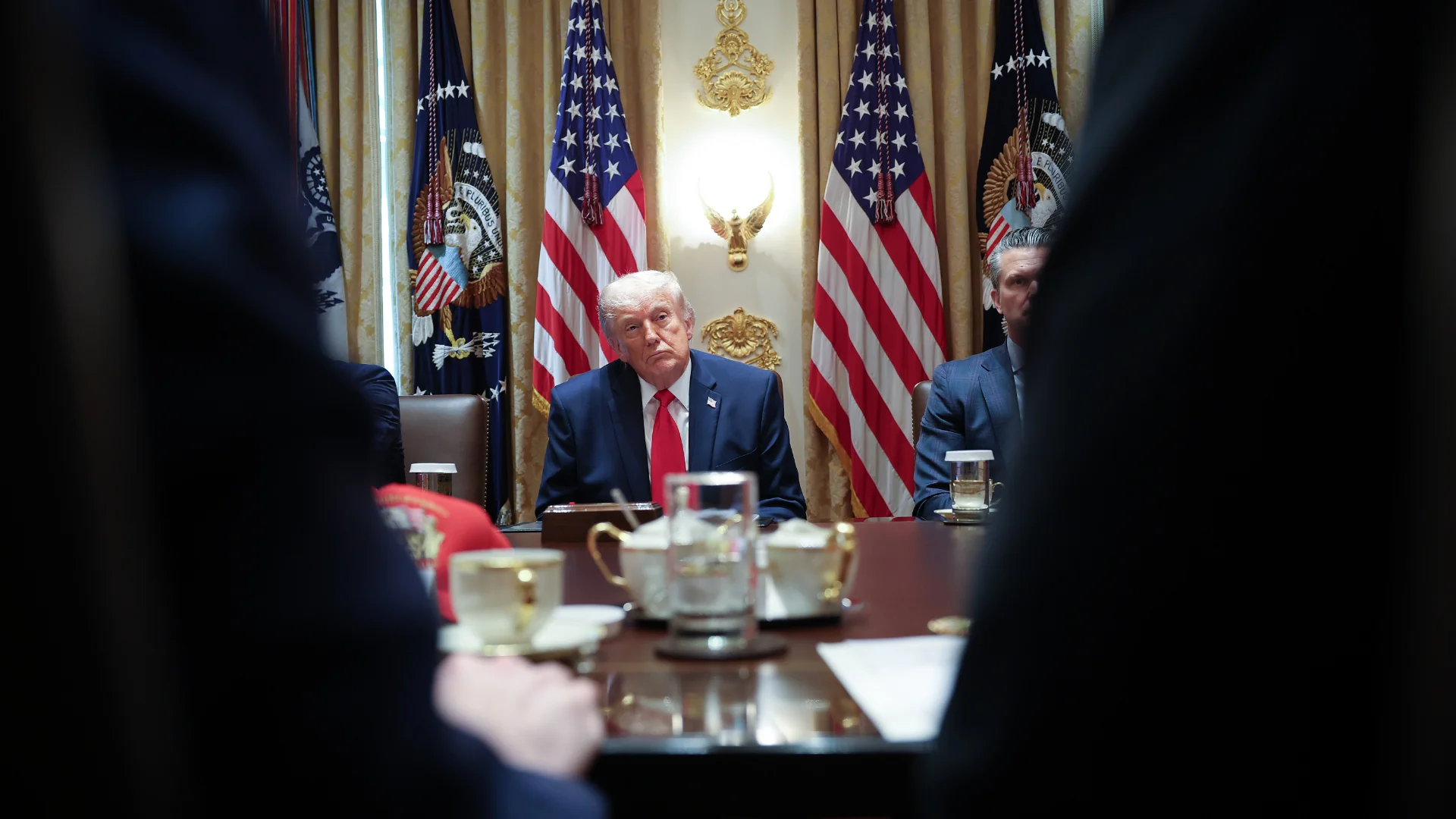
A newly formed startup trade group told the White House this week that cutting off Chinese open-weight AI models would kill American companies, not Chinese ones.
Kimi K3's Debut Set Off a Week of Escalating Signals From Washington
Moonshot AI's release of Kimi K3 on July 16 set off the current round of scrutiny. The model's strong showing on a coding benchmark was followed within days by reports that the administration was weighing new restrictions on Chinese open-weight models. By July 21, Treasury Secretary Scott Bessent said the administration would look into whether Chinese AI firms had improperly distilled American models. The next day, OSTP Director Michael Kratsios went further, alleging Moonshot AI used Anthropic's Fable model during Kimi K3's development through an internal distillation system, and that the company obtained Nvidia GB300 servers despite export controls. Moonshot AI has not publicly responded to either claim. Kratsios said the administration still supports open-weight development broadly, drawing a line between ordinary distillation and large-scale intellectual-property theft.
The Little Tech Association's Letter Asked for Safeguards, Not a Ban
The group behind Wednesday's letter, the Little Tech Association, is new — this appears to be its first coordinated push on a major AI policy fight. Its letter, addressed to President Trump, Commerce Secretary Howard Lutnick, and Kratsios, argued that American leadership depends on both strong U.S. open-weight models and continued access to open models already available worldwide, and it asked for targeted safeguards rather than a blanket restriction. Particle founder Suhail Doshi, a member of the group, warned that "there'll be hundreds of companies that instantly die" if access were cut off, adding that closed-model vendors like Anthropic would be the beneficiaries. Little Tech Association executive director Harry Godfrey framed the group's ask as finding the lightest-touch option that addresses security concerns without raising costs or limiting access. According to people familiar with internal discussions, senior White House and Cabinet officials debated the China AI-model question earlier in the week, and a blanket prohibition was reportedly not seriously considered.
Commerce Has Drafted No Entity List Action, Leaving Two Paths Open
What happens next runs through the Commerce Department, and it has not moved. As of Wednesday, Commerce had drafted no plan to add Chinese AI companies to its Entity List, according to a person familiar with the matter. White House spokesperson Liz Huston said the administration has not announced any policy change and is focused on widening the U.S. lead in AI, while a White House official dismissed reports of pending action as speculation. That leaves the dispute split along a predictable line: larger, closed-model U.S. developers have pushed for tighter restrictions on Chinese AI developers on national-security and IP grounds, a stance that lines up with the separate distillation and export-evasion allegations Kratsios raised against Moonshot AI — allegations distinct from, and unresolved ahead of, any decision on a blanket access ban. Startups argue restricting models already downloadable worldwide would not slow China's progress but would raise their own costs, a dynamic that echoes how the end of subsidized AI pricing is already reshaping enterprise budgets. Whichever path the administration takes will also land differently depending on whether Beijing-based vendors keep pace on frontier capability, a question raised by one Chinese security firm's own claims of a Mythos-class model built after the export ban.
Nothing here is settled. Moonshot AI has not responded to Kratsios's distillation and export-evasion claims, Commerce has not filed anything, and the White House has confirmed only that no decision has been made. What changed this week is that startups, not just frontier labs, are now on the record with Washington — and they are on the opposite side of the table from companies like Anthropic.
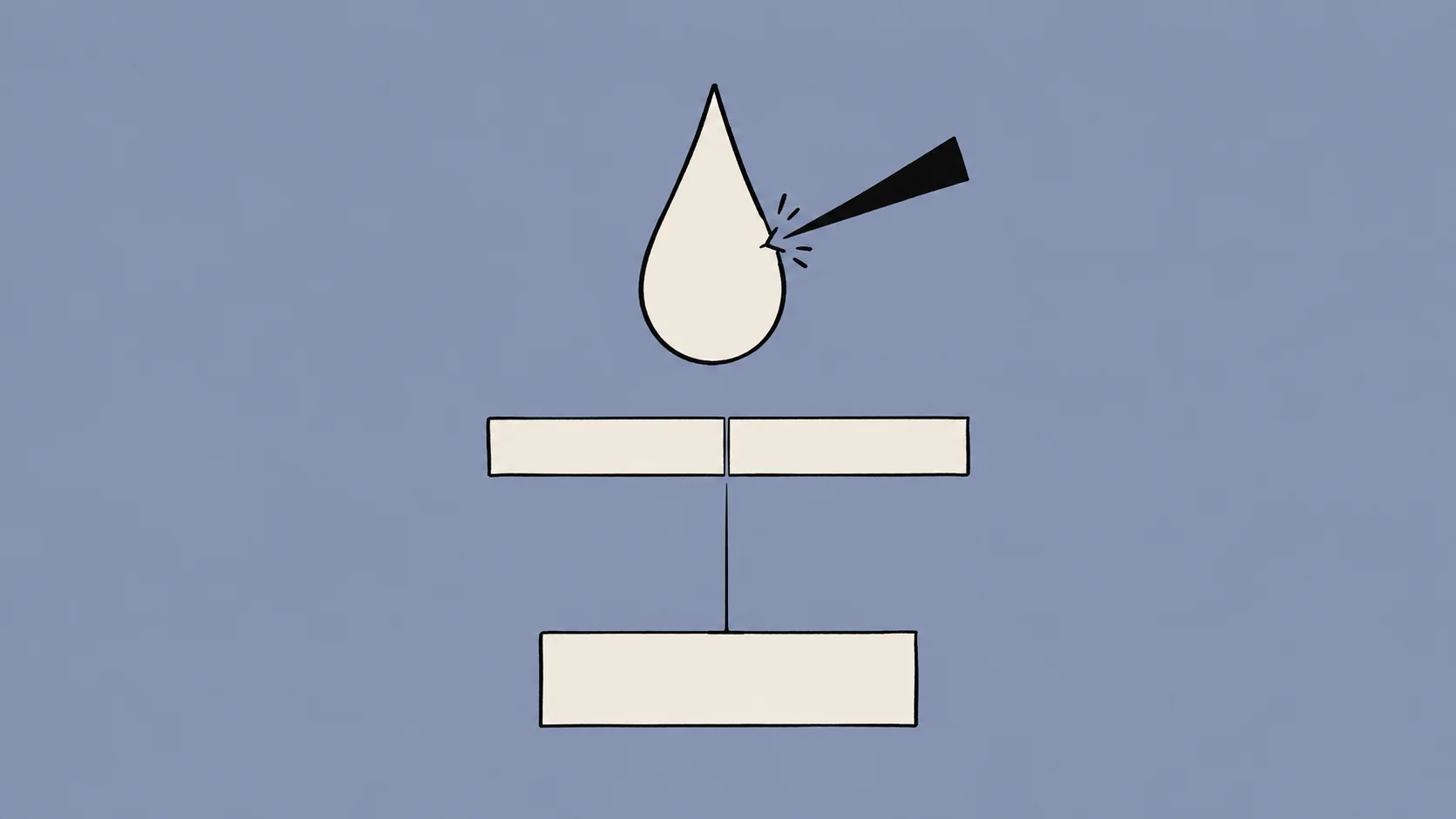
How EUV Lithography Prints Chips: Tin Plasma, 13.5 nm Light and High NA Optics
EUV lithography fires a CO2 laser at tin droplets to make 13.5 nm light. See how source power grew from 75 W to 1,000 W and what High NA at 0.55 NA changes.

SSR vs. SSG vs. ISR in 2026: What the Caching and Cost Data Actually Show
SSR vs SSG vs ISR compared with Vercel's 2026 ISR pricing and Google's CrUX field data, showing why revalidation frequency drives cost more than traffic.
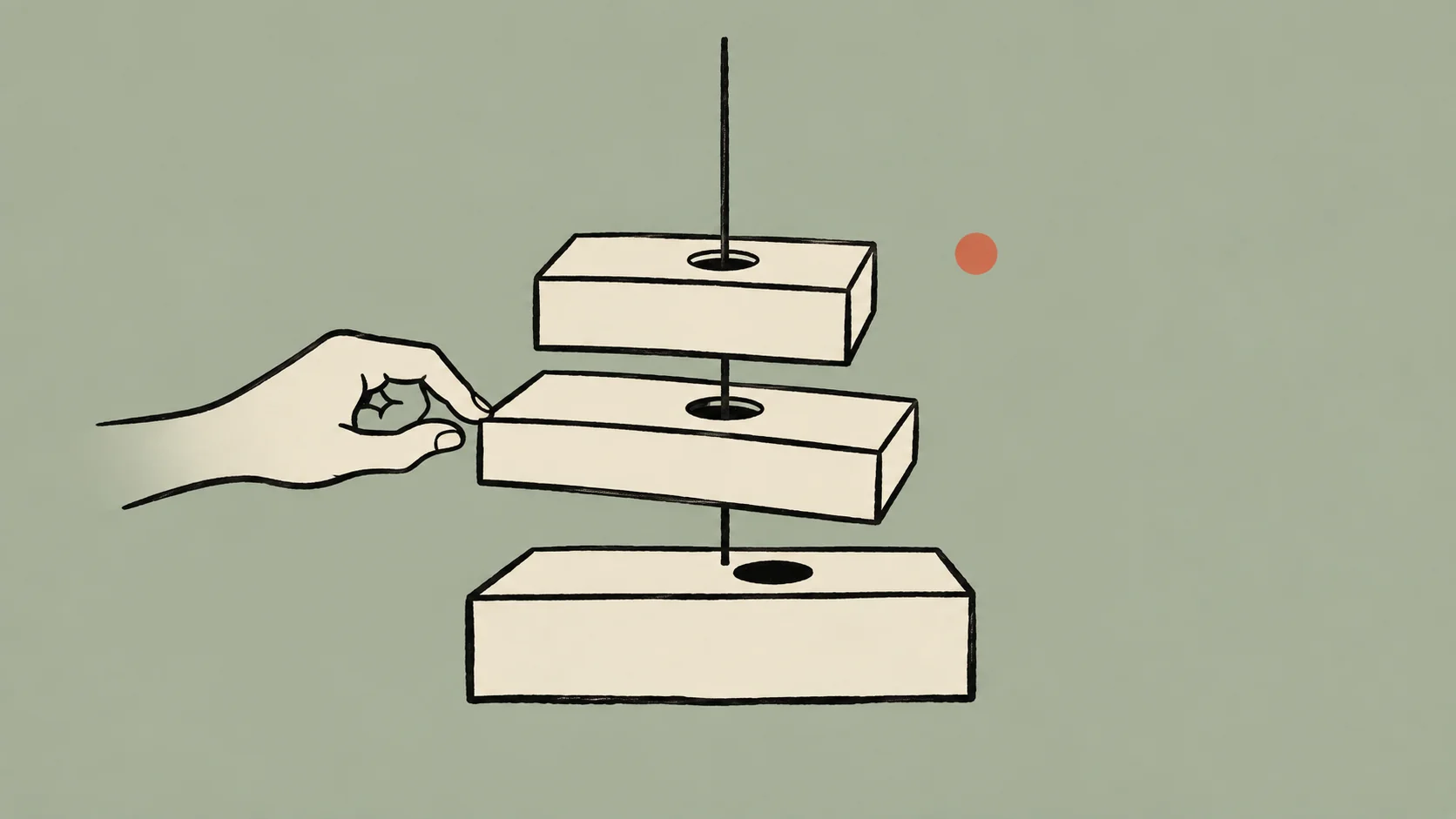
Cache Invalidation Isn't One Problem: It's Three Layers With Different Guarantees
RFC 9111, Cloudflare's rebuilt purge pipeline, and Facebook's memcache paper show cache invalidation as three layers, each with a trigger and failure mode.

zk-SNARKs vs zk-STARKs: What Benchmark Data Shows About Speed, Size, and Quantum Risk
zk-SNARK and zk-STARK proof size, speed, and quantum-resistance data, and how that tradeoff shapes ZK-Rollups, digital identity, and compliance today.
Comments (0)
Please sign in to join the discussion.
No comments yet.
Be the first to share your perspective on this topic.