
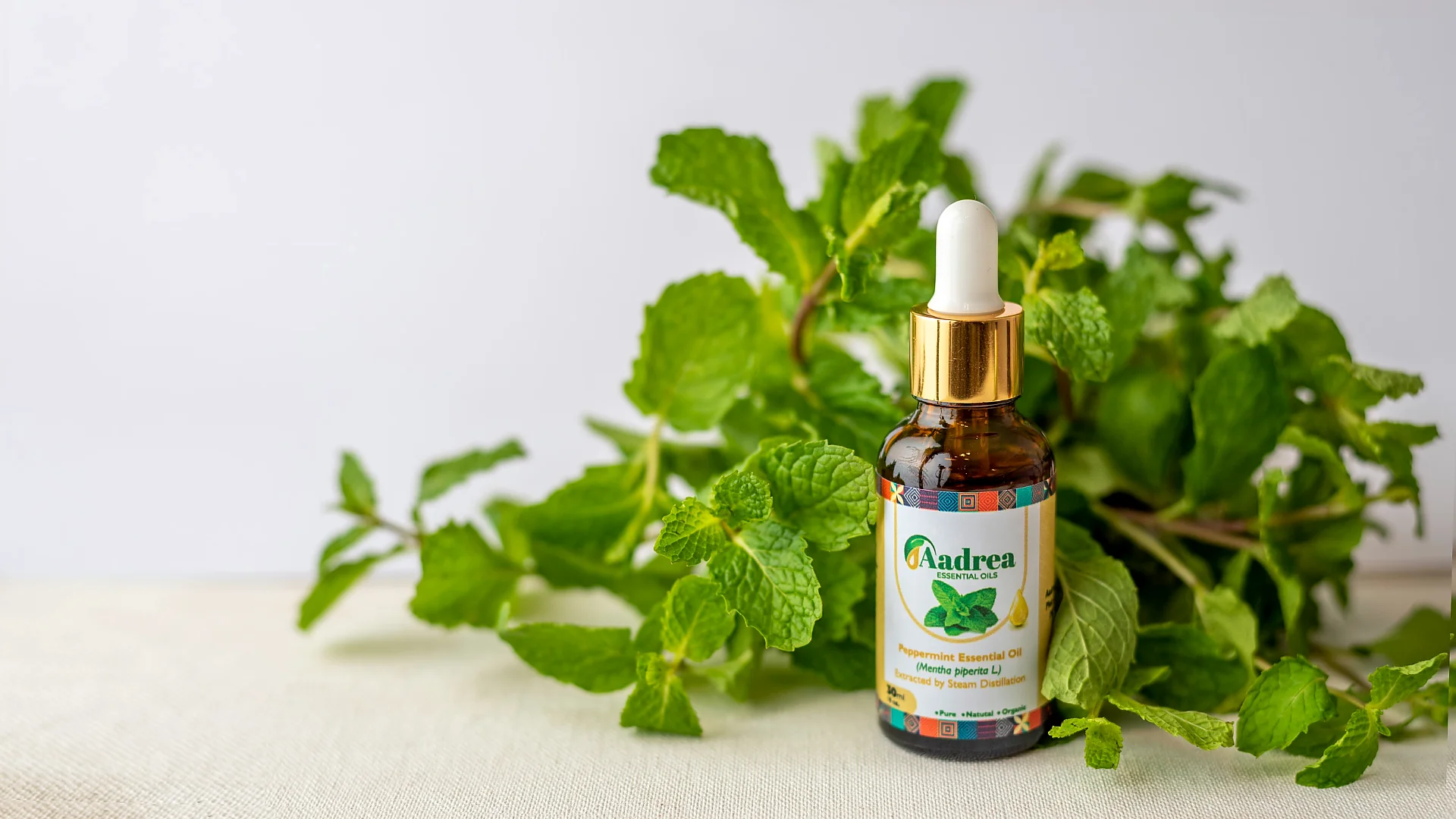
A placebo-controlled trial of 40 adults with pre- or stage 1 hypertension found that 20 days of twice-daily peppermint oil lowered systolic blood pressure by 8.48 mmHg more than placebo, with parallel drops in diastolic pressure and resting heart rate.
A Small Placebo-Controlled Trial Tests Peppermint Oil for Early Hypertension
The trial, published in PLOS ONE in April 2026 and registered in advance on ClinicalTrials.gov as NCT05561543, recruited 40 adults aged 18 to 65 at the University of Lancashire in Preston, England. All participants met the American Heart Association's criteria for pre- or stage 1 hypertension and were not taking blood pressure medication. They were randomly assigned to consume either 50 microliters of peppermint oil diluted in water twice daily, or a peppermint-flavored placebo cordial in the same volume and schedule, for 20 days.
Blinding was tight. Both liquids were dispensed from identical unlabeled dropper bottles prepared by an independent researcher, and only 47.4% of participants who finished the trial correctly guessed which group they had been in, a rate the researchers report was statistically no better than chance. The previously published trial protocol specified in advance that the primary outcome would be the between-group difference in systolic blood pressure at day 20, adjusted for each participant's baseline reading.
That primary outcome moved. Adjusted systolic blood pressure at 20 days was 8.48 mmHg lower in the peppermint group than in the placebo group, a difference the researchers describe as a large effect size (95% CI −14.24 to −2.73, p = 0.005). In raw terms, the peppermint group's average systolic pressure fell from 130.05 mmHg at baseline to 121.97 mmHg at day 20, while the placebo group barely moved, from 130.93 mmHg to 131.05 mmHg.
Diastolic Pressure and Resting Heart Rate Also Fell
The trial's secondary blood pressure measures moved in the same direction. Adjusted diastolic blood pressure at 20 days was 4.57 mmHg lower in the peppermint group than in placebo (95% CI −8.98 to −0.15, p = 0.043, a medium effect size). Resting heart rate was also lower, by 8.92 beats per minute (95% CI −17.43 to −0.40, p = 0.041). The researchers propose that both effects trace back to menthol, peppermint oil's dominant compound, which activates a receptor called TRPM8 on blood vessel walls and sensory neurons. In animal and cell studies cited by the authors, that activation has been linked to vessel relaxation and to a shift in autonomic nervous system balance that can slow the heart. The current trial did not measure any of those mechanistic markers directly, so this explanation is the authors' proposed pathway rather than something this study demonstrated.
Most Other Measured Outcomes Did Not Change
Outside blood pressure and heart rate, the trial found little. Body weight, body fat percentage, waist-to-hip ratio, and other anthropometric measures showed no significant difference between groups at 20 days (p values ranged from 0.407 to 0.954). The same was true for capillary blood tests of triglycerides, total and LDL cholesterol, glucose, and the triglyceride-glucose index (p = 0.121 to 0.921). Questionnaire scores for sleep quality, daytime sleepiness, insomnia symptoms, depressive symptoms, anxiety, and general psychological wellbeing also did not differ significantly between the peppermint and placebo groups (p = 0.066 to 0.924), and diet diaries confirmed that eating patterns stayed similar in both arms throughout the trial.
The researchers attribute this pattern mainly to the trial's design rather than to peppermint having no effect on these measures. The sample size was calculated to detect a difference in systolic blood pressure specifically, which means the study likely lacked the statistical power to catch smaller changes in the secondary measures. Twenty days may also simply be too short a window for effects on weight, cholesterol, or sleep to show up, even if longer supplementation eventually produced one.
What This Trial Does and Doesn't Establish
Completion and safety data were favorable. Eighteen of 20 participants finished in the peppermint arm and 20 of 20 in the placebo arm, compliance was high in both groups (93.3% peppermint, 92.2% placebo), and the single adverse event in the trial, a dislike of the taste, was classified as minor. The authors also note that a 15 mL bottle of peppermint oil costs under £10, and point out that unlike other supplements shown to help blood pressure, such as tart cherry or blueberry juice, peppermint delivers its effect from a few drops rather than a serving carrying meaningful added sugar and calories.
Several limits still apply. The trial ran at a single site in Lancashire with 40 participants, and its authors describe the sample as adequately powered only for the systolic blood pressure outcome. Blood pressure was measured in a clinic setting rather than with 24-hour ambulatory monitoring, which the authors acknowledge can be affected by white-coat readings. Twenty days shows a short-term response; it does not show whether the drop in blood pressure holds up over months, and the study did not include people with more advanced hypertension or major comorbidities, so it is unclear whether the same effect would appear in those groups. The proposed menthol-TRPM8 mechanism remains a hypothesis the authors raise in their discussion, not a pathway this trial measured directly. Larger, longer trials with ambulatory monitoring and mechanistic testing would be needed to confirm whether the effect persists and to explain how it happens.

A Two-Step Nanozyme Imaged, Then Destroyed, Residual Glioblastoma in Mice
A platinum single-atom nanozyme spotted glioblastoma clusters as small as 44 micrometers during surgery, then attacked residual tumor cells afterward, in a new mouse study.
The 6.4-to-7.8-Hour Sleep Window Tied to Slower Biological Ageing
A 500,000-person UK Biobank study found 6.4 to 7.8 hours of sleep lines up with the lowest biological age gaps across 17 organs, Nature reports.
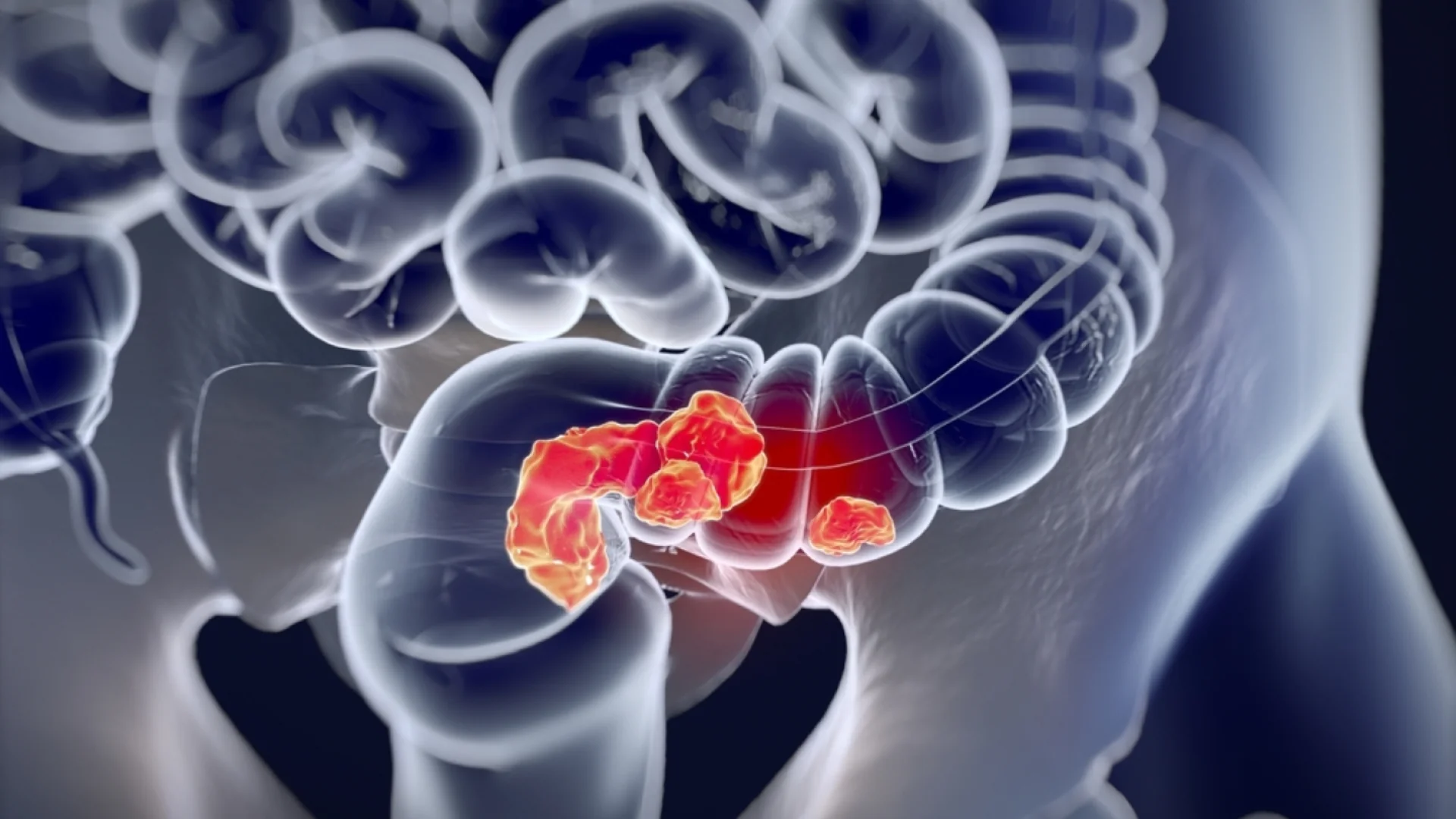
Stool-Test Screening Linked to 43% Lower Colorectal Cancer Death Risk
A 376,511-person Swedish study found screening participants had a 43% lower colorectal cancer death risk after adjusting for contamination bias and nonadherence.
How Spinach Thylakoids Reversed Dry Eye Damage in Mice
A nanoparticle built from spinach thylakoids let corneal cells produce NADPH from ambient light, reversing dry-eye damage in mice within five days.
Comments (0)
Please sign in to join the discussion.
No comments yet.
Be the first to share your perspective on this topic.