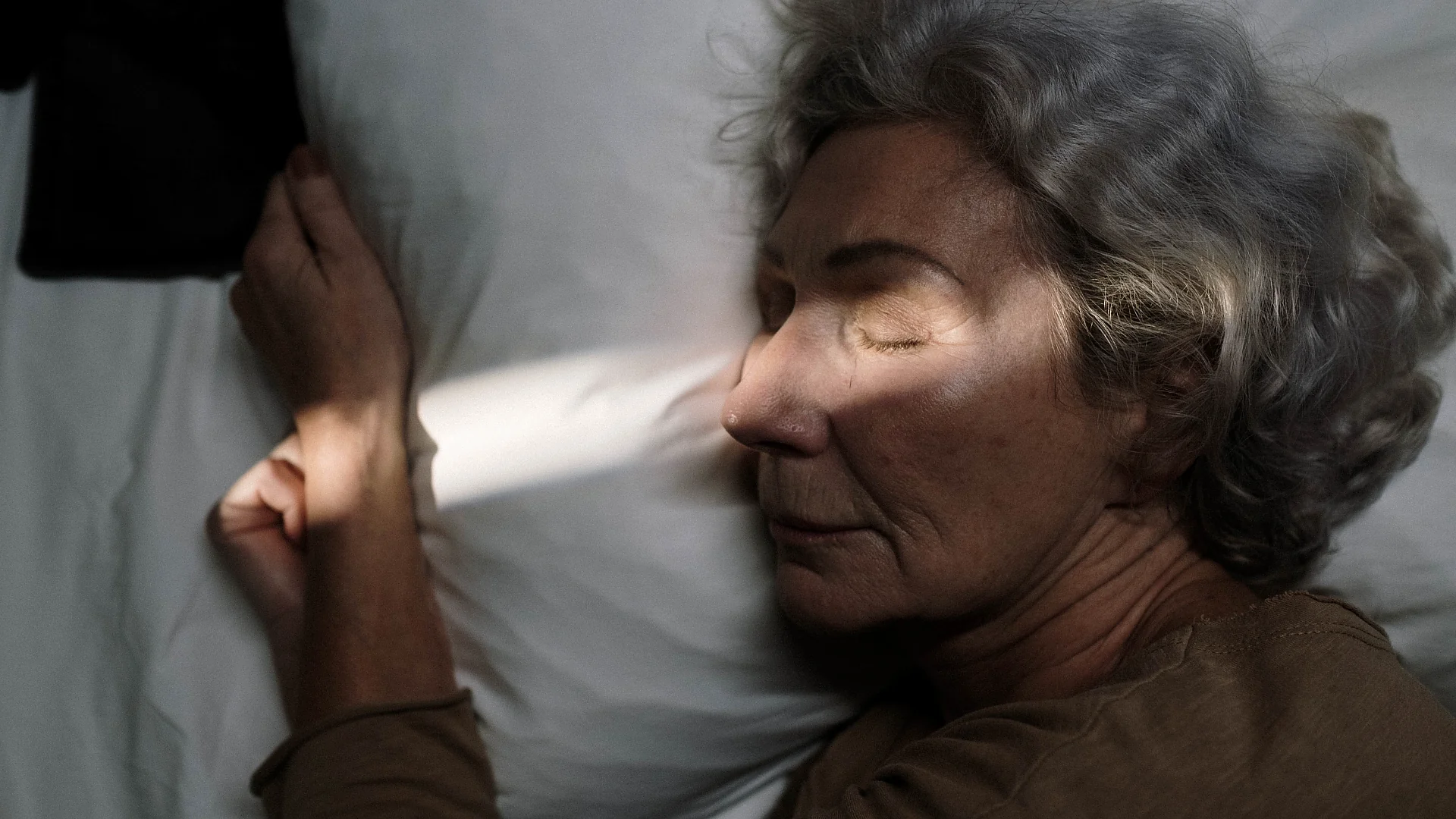
A Nature study of roughly half a million UK Biobank participants finds that people who reported sleeping between 6.4 and 7.8 hours a night had the smallest gaps between their biological age and their real age, across ageing clocks built from brain scans, blood proteins, and blood metabolites.
Building 23 Ageing Clocks From Half a Million Britons
The study, led by Columbia University radiologist Junhao Wen, used UK Biobank data from adults aged 37 to 84 to construct 23 separate "biological age gap" clocks. Each clock estimates whether a specific organ system looks older or younger than a person's actual age, based on machine-learning models trained on imaging, protein, or metabolite data.
Nine of the 23 clocks, spanning nine brain and body systems and all three omics types, showed the same pattern: a U-shaped curve where biological age gaps were smallest in that 6.4-to-7.8-hour window and rose on both sides of it. The exact shape of that curve differed by organ and by sex, and the paper does not publish a single universal "ideal" number, only the range in which the sample-wide gaps were lowest.
Eleven Protein Clocks, Seven Imaging Clocks, Five Metabolic Clocks
What counts as a "clock" here is not one score but 23 separate models, and the mix matters for how much weight the U-shape finding can bear.
Because the pattern shows up independently in protein data, imaging data, and metabolite data rather than in just one, it is harder to explain away as an artifact of a single measurement method. The researchers also linked abnormal sleep duration, both short and long, to a wider set of outcomes: higher genetic correlation with conditions such as depression and diabetes, and higher risk in time-to-event survival models for all-cause mortality, when compared with a normal six-to-eight-hour range. Short sleep specifically tracked with obesity, type 2 diabetes, hypertension, ischemic heart disease, and heart arrhythmias; both short and long sleep tracked with COPD, asthma, and digestive conditions including gastritis and reflux disease.
Short and Long Sleep Reach Depression Through Different Routes
The clearest mechanistic detail in the paper concerns late-life depression, which the authors examined with a mediation analysis, a statistical technique that tests whether a middle variable helps explain a relationship between two others.
Short sleep tracked with depression burden through a fairly direct statistical path. Long sleep's relationship to depression instead ran through the brain and adipose-tissue ageing clocks, suggesting a different underlying process even though both groups end up at the same clinical outcome. Wen has framed this as reason to treat short and long sleepers differently in future depression research, rather than lumping "abnormal sleep" into one category.
The authors are explicit about what this study cannot show. It is observational, built on self-reported sleep duration rather than measured sleep, and a Mendelian randomization analysis did not find strong evidence that disease causes changes in sleep, though it also could not fully rule that reverse pathway out. None of this establishes that shifting your own sleep into the 6.4-to-7.8-hour range will slow ageing in any specific organ. What the data support is narrower and still notable: across nearly every organ system tested, and across three separate kinds of biological measurement, the people who slept in that window had the smallest measured gaps between how old their bodies looked and how old they actually were.

A Two-Step Nanozyme Imaged, Then Destroyed, Residual Glioblastoma in Mice
A platinum single-atom nanozyme spotted glioblastoma clusters as small as 44 micrometers during surgery, then attacked residual tumor cells afterward, in a new mouse study.
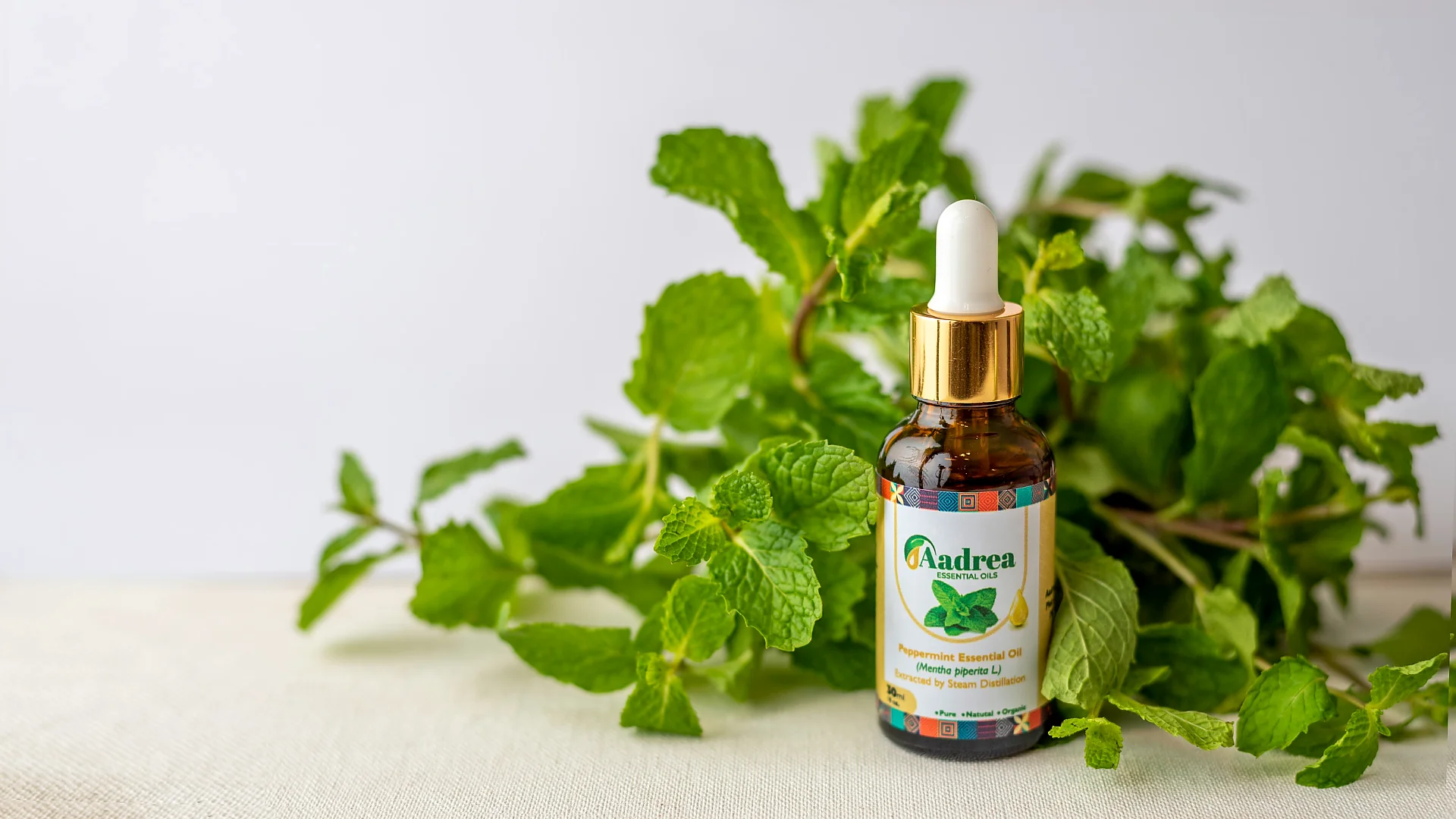
A 20-Day Peppermint Oil Trial Lowered Systolic Blood Pressure by 8.48 mmHg in Adults With Early Hypertension
A 20-day placebo-controlled trial of 40 adults with early hypertension found peppermint oil lowered systolic blood pressure by 8.48 mmHg versus placebo.
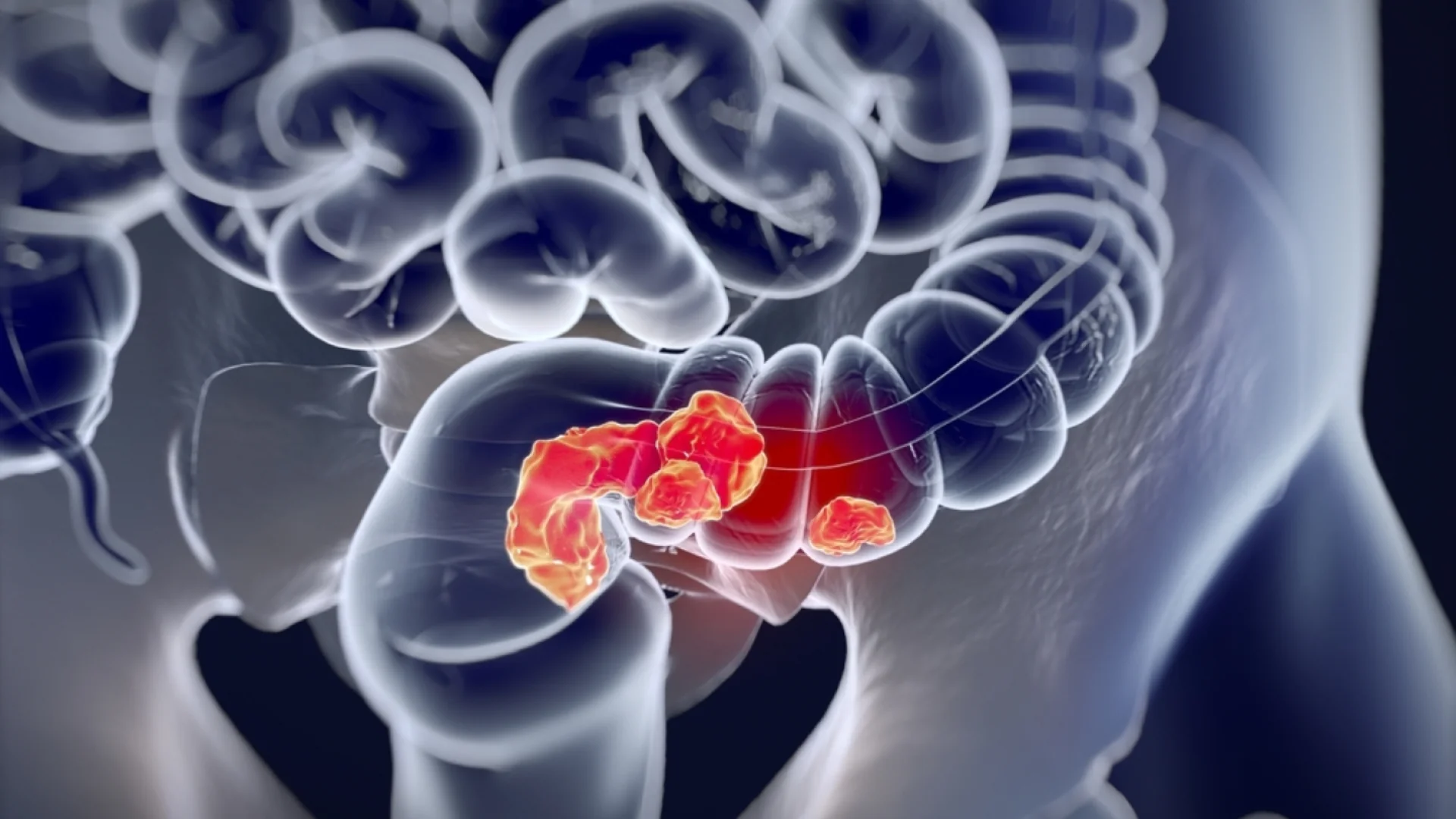
Stool-Test Screening Linked to 43% Lower Colorectal Cancer Death Risk
A 376,511-person Swedish study found screening participants had a 43% lower colorectal cancer death risk after adjusting for contamination bias and nonadherence.

How Spinach Thylakoids Reversed Dry Eye Damage in Mice
A nanoparticle built from spinach thylakoids let corneal cells produce NADPH from ambient light, reversing dry-eye damage in mice within five days.
Comments (0)
Please sign in to join the discussion.
No comments yet.
Be the first to share your perspective on this topic.