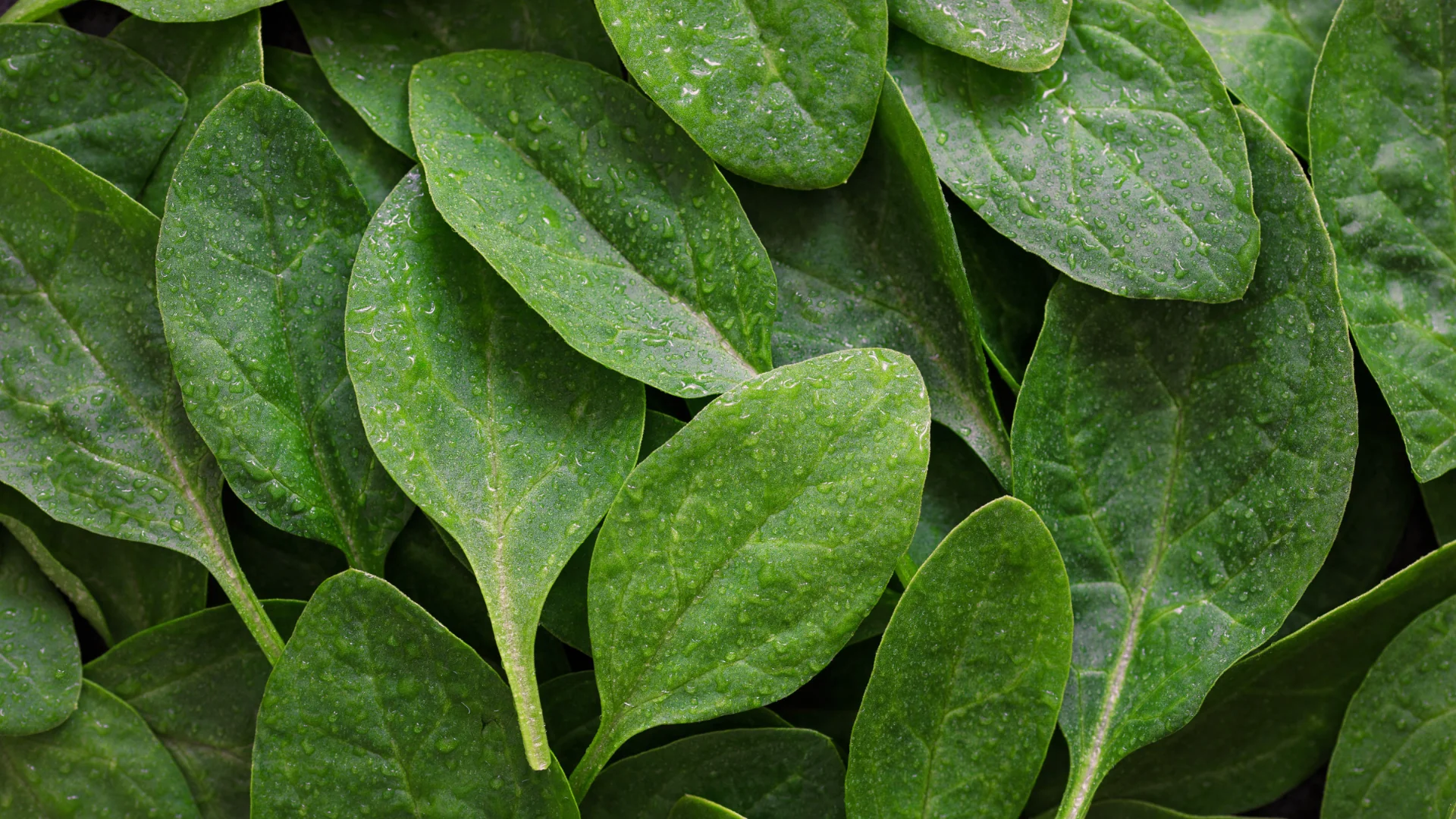
A team at the National University of Singapore has packaged the light-harvesting machinery of spinach leaves into a nanoparticle that lets corneal cells generate their own antioxidant from ambient light, reversing dry eye damage in mice within five days.
A Stripped-Down Thylakoid Becomes a Standalone NADPH Foundry
Every plant leaf runs on thylakoids, the stacked, disk-shaped membranes inside chloroplasts where light energy is converted into chemical fuel. Mammalian eyes absorb the same visible light all day but have no equivalent machinery. Bionanotechnologist David Tai Wei Leong and postdoctoral researcher Kuoran Xing set out to close that gap by transplanting the machinery itself, not by mimicking it in the lab, according to Science's reporting on the underlying study.
Their construct, LEAF (Light-reaction Enriched thylAkoid NADPH-Foundry), starts as ordinary grocery-store spinach. The team extracts thylakoid grana using mild detergent processing, then re-encapsulates them with the FDA-approved surfactant Pluronic F127, producing particles roughly 400 nanometers across, small enough for cells to absorb. The engineering choice that matters most is what gets left out: the paper describes stripping away the stroma components that normally consume NADPH, including the carbon-fixing enzyme RuBisCO, so the isolated thylakoid becomes a dedicated NADPH factory rather than a full photosynthetic cell. That subtraction alone raised NADPH output by roughly 20% compared with unprocessed thylakoids, per the NUS research announcement.
Inside a corneal cell, LEAF's photosynthetic electron transport chain runs largely as it would inside a leaf, funneling electrons through photosystems II and I to generate NADPH and ATP under ambient light. NADPH then works two ways: inside the cell it restores redox balance directly, and outside the cell it boosts the activity of the eye's own antioxidant enzymes, cutting the reactive oxygen species that drive dry eye inflammation.
Five Days of Light-Activated Drops Reversed Corneal Damage in Mice
The tear-sample figures above describe fluid in a dish, not a living eye, and that distinction matters: a 20-fold NADPH increase measured in isolated tears cannot be assumed to translate at the same magnitude once LEAF is inside living corneal tissue, where clearance, absorption, and ongoing inflammation all complicate the picture. The mouse trial is where that translation gets tested directly.
Researchers induced dry eye disease in mice, then applied LEAF as eye drops twice daily for five days under ordinary indoor lighting, no external light source or device required. According to the NUS announcement, corneal damage was reversed to near-healthy levels by day five, a result the team reports outperformed cyclosporine ophthalmic emulsion (marketed as Restasis), the current standard prescription treatment for the condition. A second preclinical trial, run with ophthalmologists at the Eye Centre of the Second Affiliated Hospital, Zhejiang University, corroborated the effect. The mice showed no reported immune or allergic reaction to the plant-derived material, and the particles were stable for weeks at room temperature and up to a year frozen.
The closest thing evolution has produced to this trick is a group of sea slugs that steal chloroplasts from the algae they eat and keep them running as backup ATP sources in their own gut cells, a process called kleptoplasty. Mice and humans have no native version of that ability. What LEAF does, in effect, is hand corneal cells a borrowed one. Xing Kuoran, the study's first author, told The Scientist that LEAF's low working concentration may help explain its favorable safety profile in the animal studies, while cautioning that "further safety assessment is necessary" before that can be confirmed in people.
A Definitional Problem Still Complicates the Target Population
Dry eye disease sounds like a single, countable condition, but its reported prevalence swings by a factor of nearly four depending on how researchers define it. A 2021 Bayesian meta-analysis of 30 prevalence studies, published in Ophthalmic and Physiological Optics, found global prevalence of 9.12% when counting symptoms alone, 35.2% when counting clinical signs alone, and 29.5% under the combined TFOS DEWS II criteria that count either. The same analysis put regional symptomatic prevalence as low as 4.6% in North America and as high as 47.9% in Africa.
That spread is not a flaw in the research behind LEAF; it is a preexisting feature of the field the treatment would enter. A therapy validated against dry eye's clinical signs, tear-film instability and corneal damage visible under a slit lamp, is being measured against a different, narrower yardstick than one validated against patient-reported symptoms. The mouse trial tracked physical corneal damage, which sits closer to the signs-based end of that range. Whether LEAF also relieves the subjective discomfort that drives most patients to seek treatment in the first place has not yet been tested in the animal model or in any published human data.
None of this diminishes what the Cell paper demonstrates: a functioning, light-driven NADPH source built from plant material now runs inside living mammalian cells, restores redox balance, and reversed measurable corneal damage in mice faster than an approved prescription drug did in the same window. What it has not yet done is anything in a human eye. Until that trial exists, LEAF remains a genuinely new mechanism with a genuinely open question about how it performs outside a laboratory model.

A Two-Step Nanozyme Imaged, Then Destroyed, Residual Glioblastoma in Mice
A platinum single-atom nanozyme spotted glioblastoma clusters as small as 44 micrometers during surgery, then attacked residual tumor cells afterward, in a new mouse study.
The 6.4-to-7.8-Hour Sleep Window Tied to Slower Biological Ageing
A 500,000-person UK Biobank study found 6.4 to 7.8 hours of sleep lines up with the lowest biological age gaps across 17 organs, Nature reports.
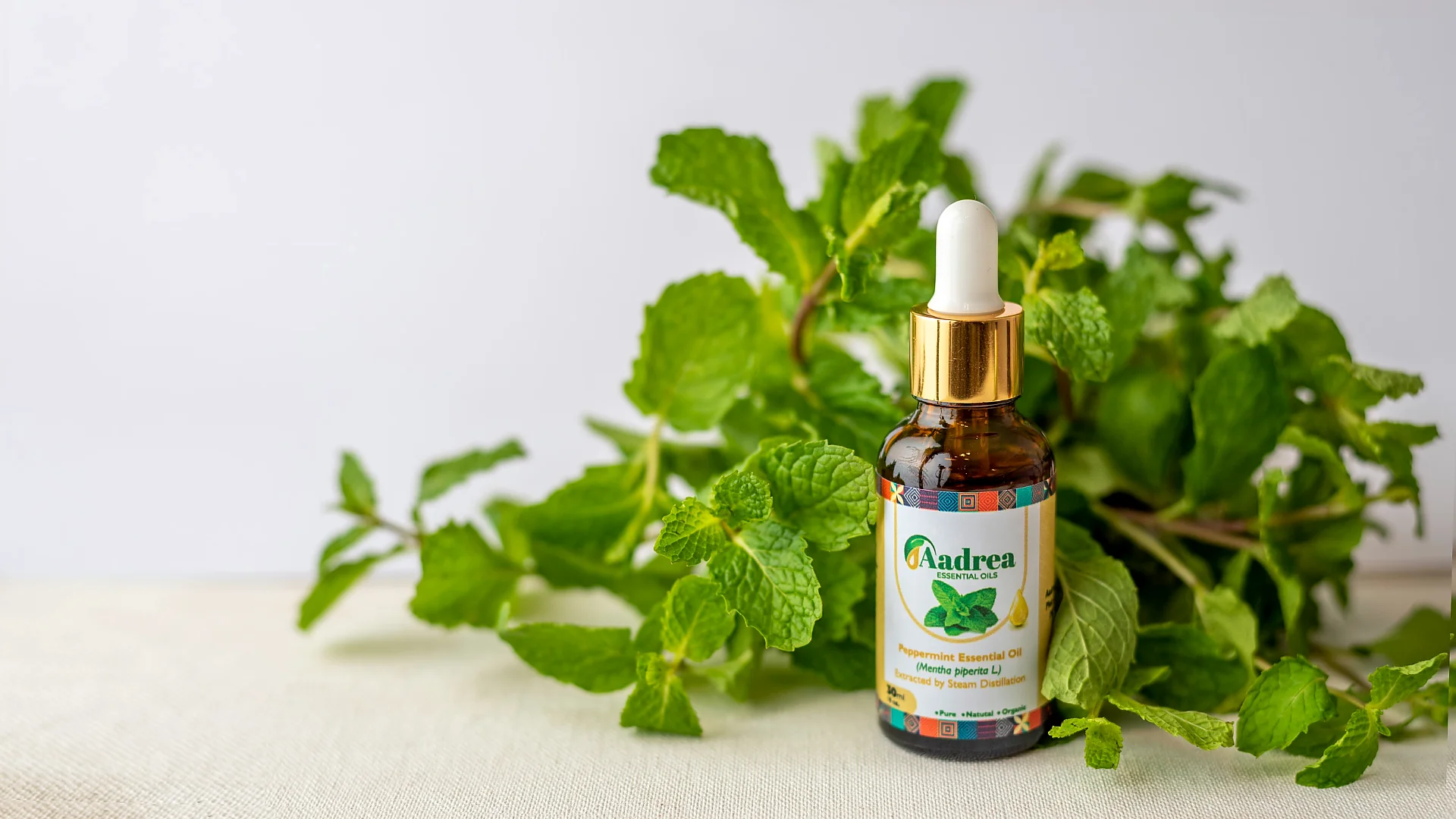
A 20-Day Peppermint Oil Trial Lowered Systolic Blood Pressure by 8.48 mmHg in Adults With Early Hypertension
A 20-day placebo-controlled trial of 40 adults with early hypertension found peppermint oil lowered systolic blood pressure by 8.48 mmHg versus placebo.
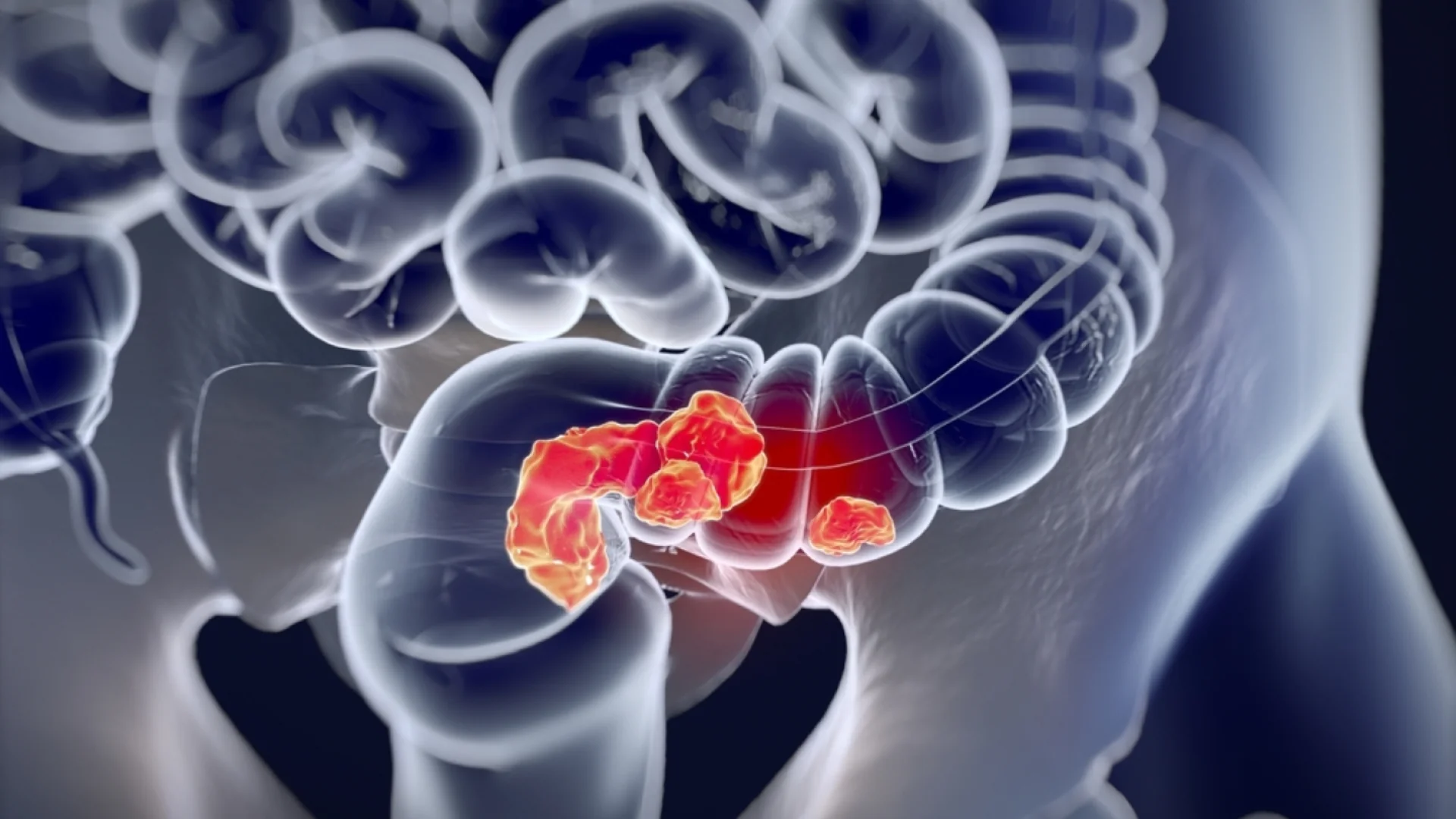
Stool-Test Screening Linked to 43% Lower Colorectal Cancer Death Risk
A 376,511-person Swedish study found screening participants had a 43% lower colorectal cancer death risk after adjusting for contamination bias and nonadherence.
Comments (0)
Please sign in to join the discussion.
No comments yet.
Be the first to share your perspective on this topic.