

Harvard Business School's Foundry program now runs an eight-week bootcamp where founders pitch AI avatars of real HBS faculty, built with technology from the startup HeyGen, instead of paying for one-on-one human coaching.
What Foundry Actually Sells Founders
Foundry is built around AI-generated versions of HBS faculty members that participants can consult at any hour to refine a business idea, rehearse an investor pitch, or run through a customer conversation. The eight-week course costs $699 and mixes that always-on AI coaching with online forums, assigned coursework, and live sessions involving founders, investors, and faculty. Anyone can apply, and the cohort includes both self-funded entrepreneurs and students visiting from outside Harvard.
Flybridge Capital co-founder Jeff Bussgang, a senior lecturer at Harvard, is among the faculty members whose likeness was turned into an AI avatar for the program. According to the reporting on the program's early results, Bussgang said his students respond well to the tool. Dragana Savic, who joined Foundry after raising more than $1 million for her autoimmune-disease device startup INIA Biosciences, said the avatars let her rehearse a pitch before facing a real investor.
What A Foundry Seat Costs Next To A Harvard MBA
The AI avatars are a workaround for a real price gap. A full-time, two-year HBS MBA runs upward of $75,000 a year in tuition alone, well beyond what most early founders can justify for a business that may not yet have a product. Foundry's $699 fee sits at roughly 1 percent of that yearly figure, though the two numbers aren't measuring the same thing: one buys eight weeks of AI-driven coaching plus periodic live sessions, the other buys two years inside the physical case-study classroom. The comparison below keeps that distinction in the caption rather than implying the products are interchangeable.
Why A Faculty Photo Changed The Product
Foundry did not start as a guided coaching platform. Harvard's Digital Data Design Institute launched an early pilot, the Startup Foundry, in 2023 to connect faculty and researchers with entrepreneurship resources. The team's first version of the AI layer was a plain chat window with no identity attached to it. Foundry project director Katharina Rings said user feedback pushed the team toward something more specific: once the interface showed a professor's photo, engagement climbed, and it became clear founders wanted the sense of talking to a named person rather than a generic assistant, even knowing the reply came from an avatar.
That single change reframed the product. Boston University Ph.D. candidate Pranav Sultania, who used Foundry to sharpen a pitch for an underwater electromagnetic propulsion system, said the appeal was having a specific instructor available at any hour rather than waiting for office hours or a scheduled call. The bootcamp launched in April 2026 and had been tested by more than 100 universities across all 50 states by the time of this reporting, according to Inc.'s account of the rollout.
What Founders And Faculty Say Still Requires A Human
Foundry's organizers describe the AI layer as an addition to human contact, not a substitute for it. Foundry faculty co-chair Tom Eisenmann said participants use the AI heavily and learn from it, but conversation keeps returning to the value of the people in the program: the cohort's forums, the live sessions with founders and investors, and direct faculty contact remain part of what participants pay for. Savic described the avatars as a rehearsal tool, a way to work through a pitch before the version that counts, rather than a replacement for the investor meeting itself.
That framing matters for what Foundry is and is not. Harvard has not published completion rates, outcome data such as funding raised after the program, or a comparison of avatar-coached founders against a control group who skipped the AI layer. Bussgang's comment that his students respond well to the tool, and Sultania's preference for round-the-clock access, are participant impressions gathered soon after an April launch, not a measured outcome study. Whether founders who train with an AI version of a professor pitch better to real investors than those who don't remains untested in anything Harvard or its faculty have published.
What Remains Unproven
The bigger question the Inc. and TechCrunch reporting raises is what founders are actually purchasing: Harvard's entrepreneurship curriculum, delivered through a cheaper channel, or the credibility of the Harvard name attached to an AI product that could plausibly run on any campus's faculty likenesses. Foundry's organizers frame the tool as expanding access to guidance that used to depend on personal networks. That claim is plausible given the pricing and the 50-state reach reported so far, but it is still a claim from the program's own team rather than an independently measured result, and Harvard has not disclosed how many Foundry participants have gone on to raise funding or launch a company as a direct result of the program.

Subchapter V Cases Confirm Plans at More Than Twice the Rate of Other Small Business Chapter 11s
Subchapter V confirmed plans in 52% of small business cases against 23% elsewhere, with a 6.6-month median versus 10.4, per U.S. Trustee Program data.
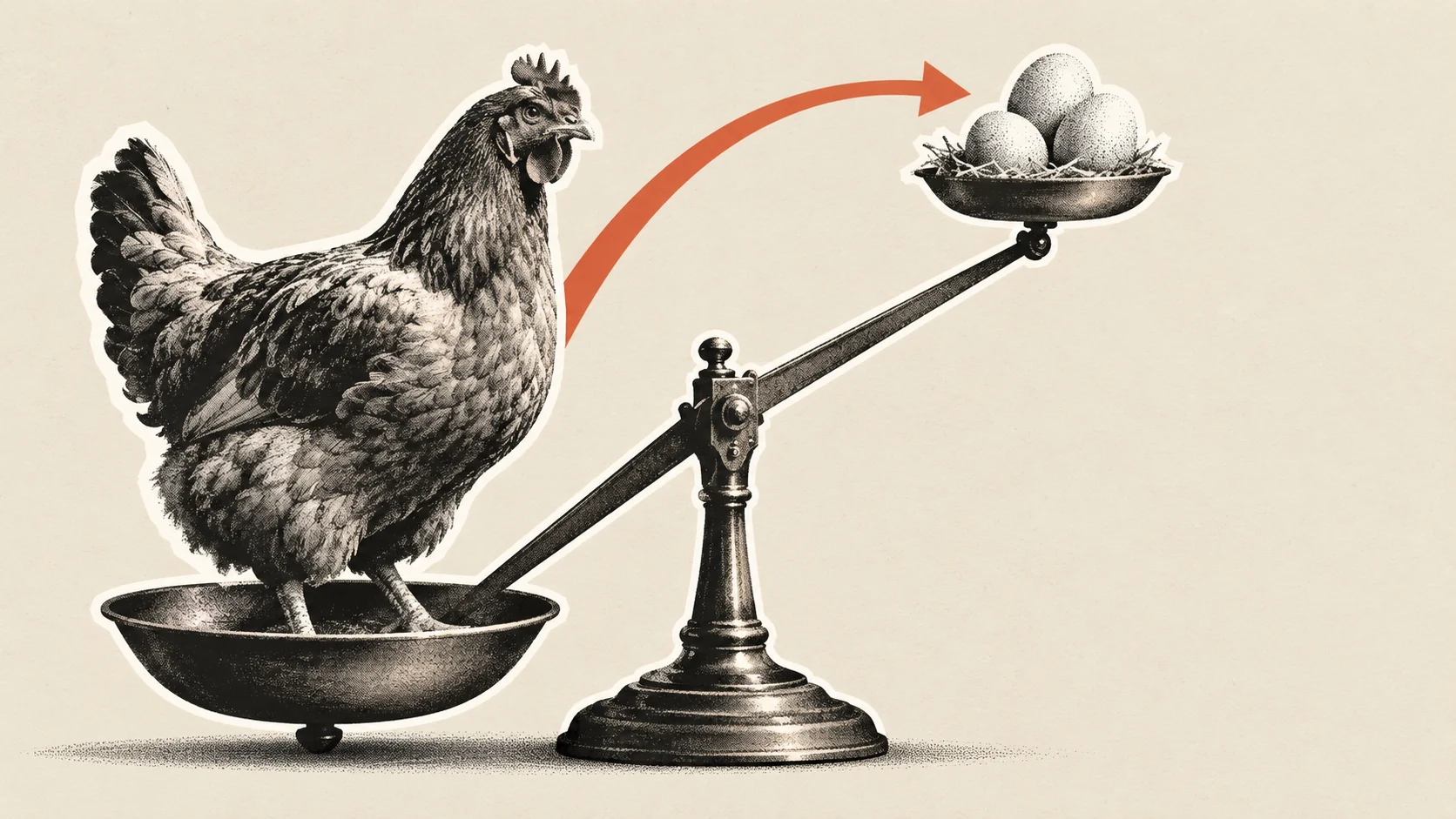
How Two-Sided Platforms Solve the Chicken-and-Egg Problem
Airbnb, Uber, and Etsy each recruited one side of the marketplace first, then let it pull in the other. Here's the sequence, and where it can fail.

How a $27 Instagram Payout Turned Into Kale's 8-Figure Creator Marketplace
Kale, the creator marketplace co-founded by ex-LinkedIn product leads, grew revenue roughly 9,119% in three years after a single $27 brand payout in 2021.

Why 43% of Gen Z Would Rather Found a Company Than Get Hired
Gen Z entrepreneurship is surging in 2026 as AI shrinks entry-level jobs and lowers startup costs, backed by new funding, hiring, and social data.
Comments (0)
Please sign in to join the discussion.
No comments yet.
Be the first to share your perspective on this topic.