
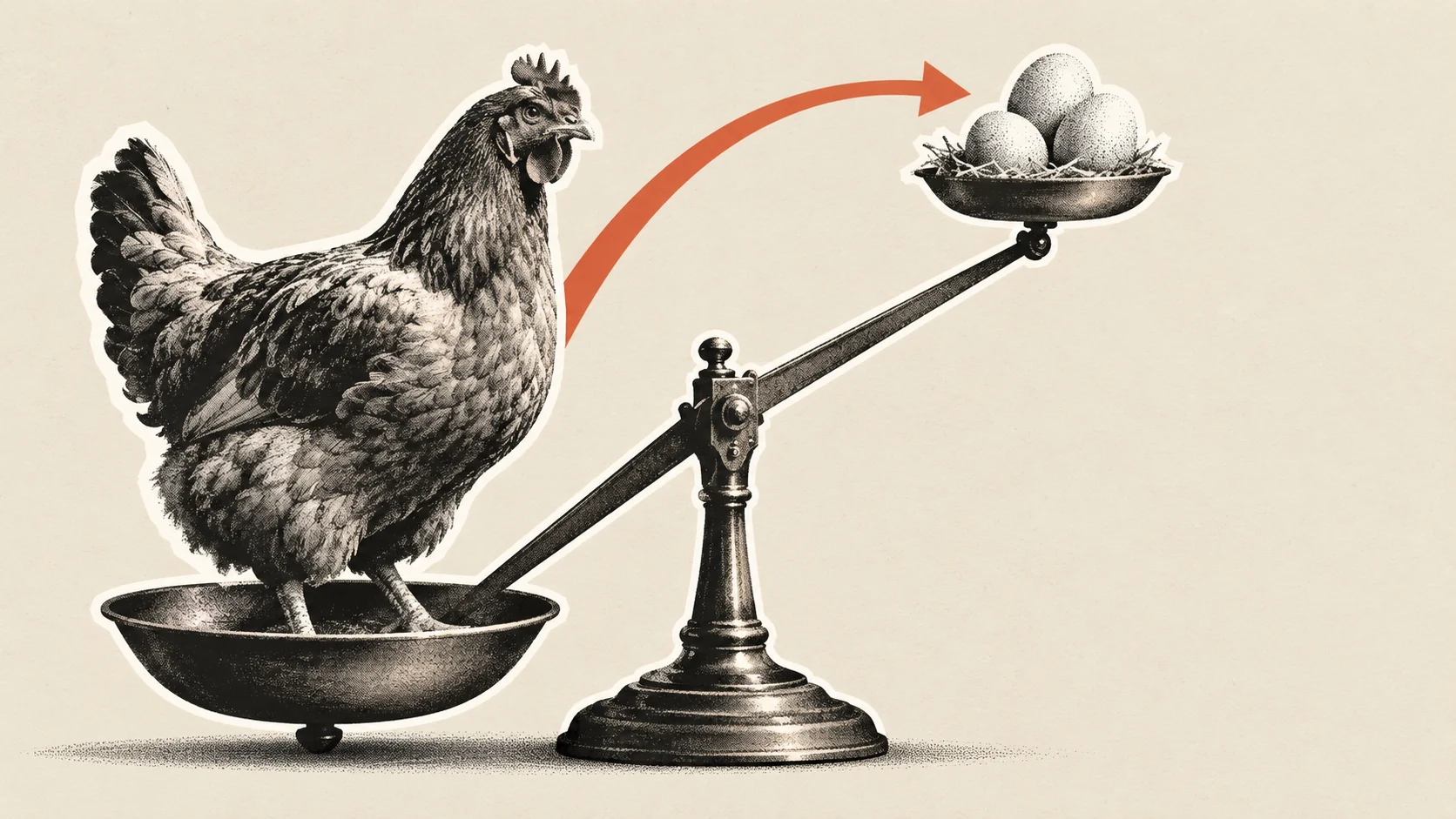
A ride-hailing app with no drivers has nothing to offer, and no driver will sign up for an app with no riders. Airbnb, Uber, and Etsy all launched straight into that deadlock, and a Harvard Business School case study on how each company found its first thousand customers found they escaped it with the same underlying sequence: get one side of the market working well before the other side ever sees it.
Why Neither Side Will Join an Empty Platform
Researchers who study platform launches call this the chicken-and-egg problem: buyers stay away because there are no sellers, and sellers stay away because there are no buyers, so a brand-new marketplace can sit at zero indefinitely. A multi-case study of sixteen startup platform launches traces the standard framing back to earlier platform-economics research and groups the available fixes into three families: get one side on board first and use it to pull in the second, push both sides at once, or require one side to commit resources up front before the platform exists in any usable form. A separate HBS research note on platform pricing adds a fourth option, importing an already-assembled audience from an outside network rather than building either side from scratch, and finds that doing so changes how much a platform needs to subsidize early users without changing whether it needs to subsidize them at all.
Of these, the case most often pointed to by name is the "one side first" approach, because it's the one behind three of the best-documented consumer platform launches of the last two decades.
The Single-Player Sequence Airbnb, Uber, and Etsy Each Used
According to the HBS case research, all three companies chose to recruit their supply side first and treated the demand side as a problem to solve only once supply was in reasonably good shape. Airbnb's founders extracted contact details from Craigslist apartment listings and pitched those owners on cross-posting to Airbnb, then hired professional photographers to shoot the listings because amateur photos couldn't compete with hotel marketing. Uber launched with professional black-car drivers rather than the peer-to-peer drivers of UberX, so that a rider's first trip would be reliably good enough to talk about. Etsy's early team went to craft fairs in person and recruited the strongest vendors at each one directly, on the theory that a vendor's existing buyers would follow them onto the new platform.
The common thread the case research draws out is sequencing, not the tactics themselves: fix the quality of one side privately, then let that quality do the work of attracting the other side through word of mouth rather than advertising.
When the Same Playbook Fails: BlackBerry's App Store
The sequence isn't a guarantee, and a widely cited counterexample is BlackBerry's attempt to build a developer ecosystem for BlackBerry 10. According to one strategy-consulting account of the episode, the company tried to recruit supply directly by paying developers a flat guarantee for building apps, rather than by first building the installed base of users that would have made the platform worth building for on its own merits. The account describes this as attracting developers chasing the payment rather than an audience, while developers with the strongest apps kept building for iOS and Android instead, where a real user base already existed. That reporting is a single secondary account rather than a company disclosure, so treat the specific mechanism as illustrative rather than confirmed in BlackBerry's own words.
Set next to the Airbnb, Uber, and Etsy cases, the difference is about what the subsidized side is being paid for. Airbnb, Uber, and Etsy each made the supply side more attractive to real customers first. BlackBerry's guarantee paid for the existence of an app, independent of whether any customer ever used it.
| Platform | Side recruited first | Core tactic | Documented result |
|---|---|---|---|
| Airbnb | Hosts | Poached Craigslist listings, then hired photographers to shoot them | Listing quality outcompeted Craigslist's photos and built a base for renters |
| Uber | Drivers | Launched with professional black-car drivers before UberX | Consistent early rides let word of mouth carry demand growth |
| Etsy | Sellers | Recruited top vendors directly at craft fairs | Sellers' existing buyers followed them onto the new marketplace |
| BlackBerry 10 app store | Developers | Paid a flat guarantee per submitted app | Small installed base meant top developers stayed on iOS and Android |
What the Sequence Doesn't Guarantee
All three success cases in the HBS research are large, well-funded consumer platforms operating in markets where a workable substitute, Craigslist, a taxi dispatcher, a craft fair, already existed for the founders to study and improve on. The case research describes what these companies did, not a controlled comparison against what would have happened had they sequenced things differently, so it shows a pattern rather than proof that recruiting supply first is always the right call. The piggybacking research from HBS's Digital, Data, and Design Institute makes a related point from a different angle: how much a platform ends up subsidizing either side depends on competitive pressure from rival platforms, not only on which side gets recruited first. A founder weighing which side to chase should treat the single-player sequence as a documented starting hypothesis, not a formula, and check it against how much an existing alternative already serves the side being asked to switch.

Harvard Built AI Clones of Its Professors to Coach Startups for $699
Harvard Business School's Foundry pairs founders with AI avatars of faculty for $699 — about 1% of a year's full-time MBA tuition, per new reporting.

How a $27 Instagram Payout Turned Into Kale's 8-Figure Creator Marketplace
Kale, the creator marketplace co-founded by ex-LinkedIn product leads, grew revenue roughly 9,119% in three years after a single $27 brand payout in 2021.

Why 43% of Gen Z Would Rather Found a Company Than Get Hired
Gen Z entrepreneurship is surging in 2026 as AI shrinks entry-level jobs and lowers startup costs, backed by new funding, hiring, and social data.
Comments (0)
Please sign in to join the discussion.
No comments yet.
Be the first to share your perspective on this topic.