
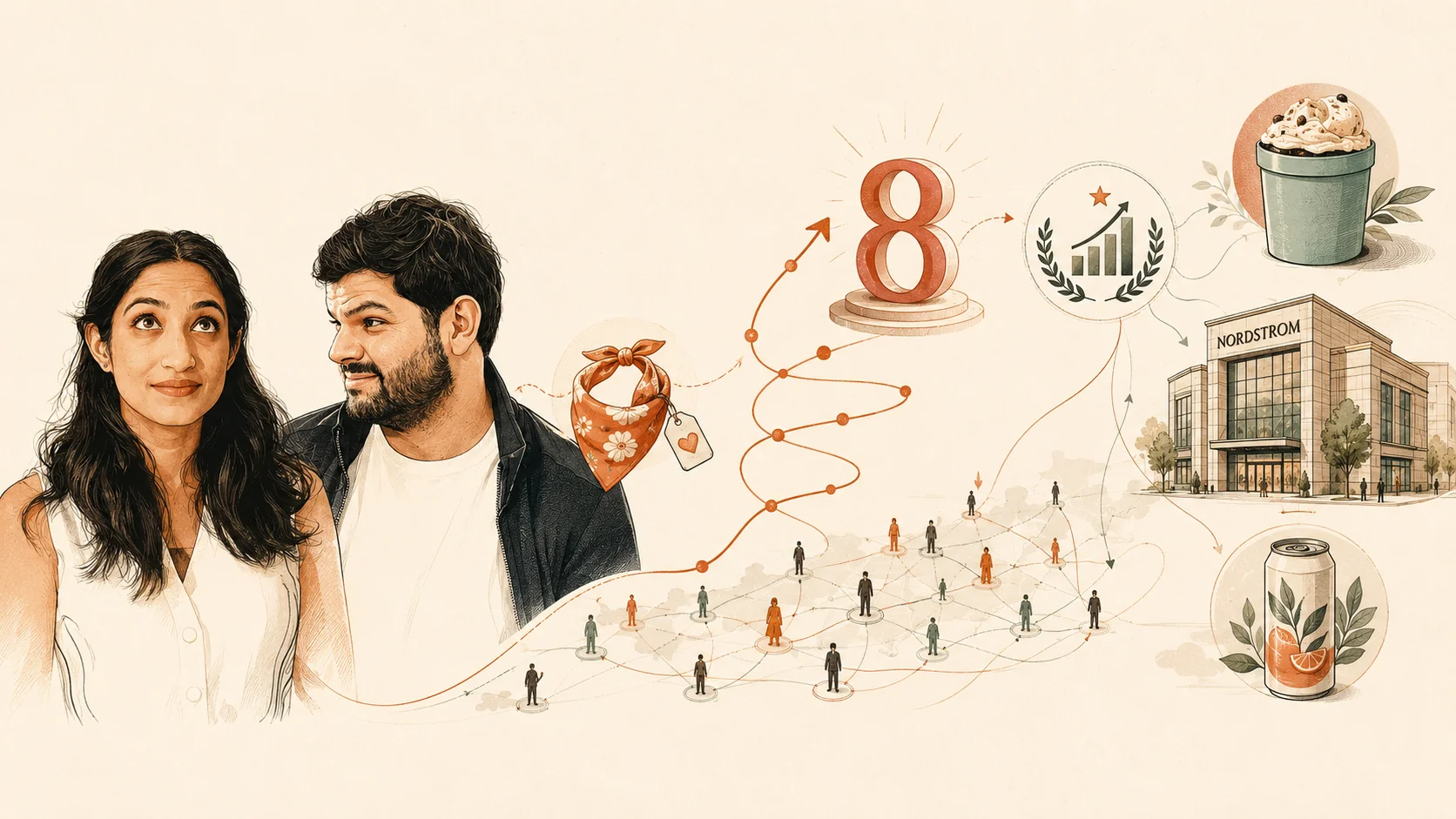
Five years after a single $27 Instagram post convinced its founders they had a real business, the creator marketplace Kale has grown into a 19-person company with a spot on the 2026 Inc. 5000 list.
A $27 Dog-Bandana Post Set Kale's Business Model
Isha Patel and Luis Molina met while working on LinkedIn's New York video team. In mid-2021 they left the company on a Friday and started building Kale the following Monday. Within months the pair completed an accelerator and closed a $3.9 million seed round led by Forerunner Ventures, which still lists the company in its own portfolio, a round that an earlier funding report also placed at the company's 2021 launch.
The idea did not feel proven until a company that makes bandannas for dogs paid $27 for an Instagram post about its product. "Constraints push us, and we enjoy that," Molina says of the scrappy early period, a line that has stayed true through a later rebrand and Patel's recent parental leave. That $27 transaction became the template for everything Kale does now: pay ordinary social media users, not professional influencers, for posts about brands they already use.
How Kale's Two-Sided Marketplace Pays Creators for Word of Mouth
Kale works as a two-sided marketplace. Brands pay to run "challenges" on the platform, and everyday users, typically people with a few thousand followers rather than professional influencer counts, log into the app, find a challenge tied to a product they already use, and post about it. Payouts run from a few dollars to a few hundred dollars per post, scaled to engagement and unique viewers, and a 2023 account of the platform's mechanics reported that creators are typically paid out within 24 to 48 hours of posting.
The pitch to brands is that this kind of recommendation carries more weight than a paid post from a large influencer, because it comes from someone who already uses the product rather than someone paid to appear to. Patel argues that social recommendation has shifted from something brands push at consumers to something friends pass along on their own. Urban Outfitters' head of digital, Julia Draper, says the platform gives the retailer a more customer-led way to show how real shoppers style and use its products.
Five Years In, Kale's Numbers Show Fast but Unconfirmed Growth
Kale discloses its revenue only as a range, $10 million to $25 million, and Patel says the company has just crossed into eight figures without giving Inc. a firmer number. Inc.'s own calculation puts likely revenue closer to $10 million. What is confirmed is the growth rate behind that range: Kale's Inc. 5000 listing shows 9,119 percent revenue growth over three years, a figure the article separately rounds to "roughly 9,000 percent."
The company's client list has widened well past that first dog-bandanna brand to include Unilever, Procter & Gamble, Nordstrom, DoorDash, Olipop, Van Leeuwen Ice Cream, Urban Outfitters, and hundreds of other companies. One brand example puts numbers behind the results: a French toast campaign for Breyers generated close to 300 videos from 200 creators in three weeks, with an average engagement rate of 9 percent, above the brand's typical benchmark, and more than 80,000 engagements overall, according to Magnum Ice Cream Company associate brand manager Emily Tumminia. Separately, Patel says Kale posts draw roughly 20 times the engagement of traditional influencer content, a figure Kale has not published the underlying methodology for.
What creators actually earn is harder to see from the company's own materials, but one case in the reporting offers a rough gauge. JMU marketing student Elliana Campagna posted two to three videos a week over 17 months for brands she already used and earned $1,800 total. At that cadence, roughly 180 to 200 posts over the period, her earnings work out to somewhere around $10 per video, a figure consistent with Kale's stated range of a few dollars to a few hundred dollars per post and a useful reference point the company itself does not spell out.
Why One Social Media Researcher Doubts the Model's Staying Power
Not every outside observer is convinced the growth curve holds. Robert Kozinets, a University of Southern California journalism professor who studies social media, says the model of monetizing someone's personal network of friends and family carries a built-in expiration date. He expects an initial surge in activity as new users join, but he does not see the approach reshaping the broader marketing industry on its own.
Kale's own founders describe the business as still in motion rather than settled. The 2025 rebrand with agency Working Assembly pushed the app beyond single video posts into a broader points system, letting users earn rewards for comments, purchases, referrals, and challenge participation, redeemable for merchandise, gift cards, or experiences. Patel was three weeks into parental leave while Inc. reported this story, and Molina says she kept tracking the business quietly throughout, evidence that the two-person structure the company was built on, a daily 30-to-60-minute sync between co-founders, has outlasted both a leadership absence and a public rebrand without breaking stride. Whether that structure keeps working as Kale scales past 19 employees and further into eight-figure revenue is the open question the company's own growth numbers do not answer.
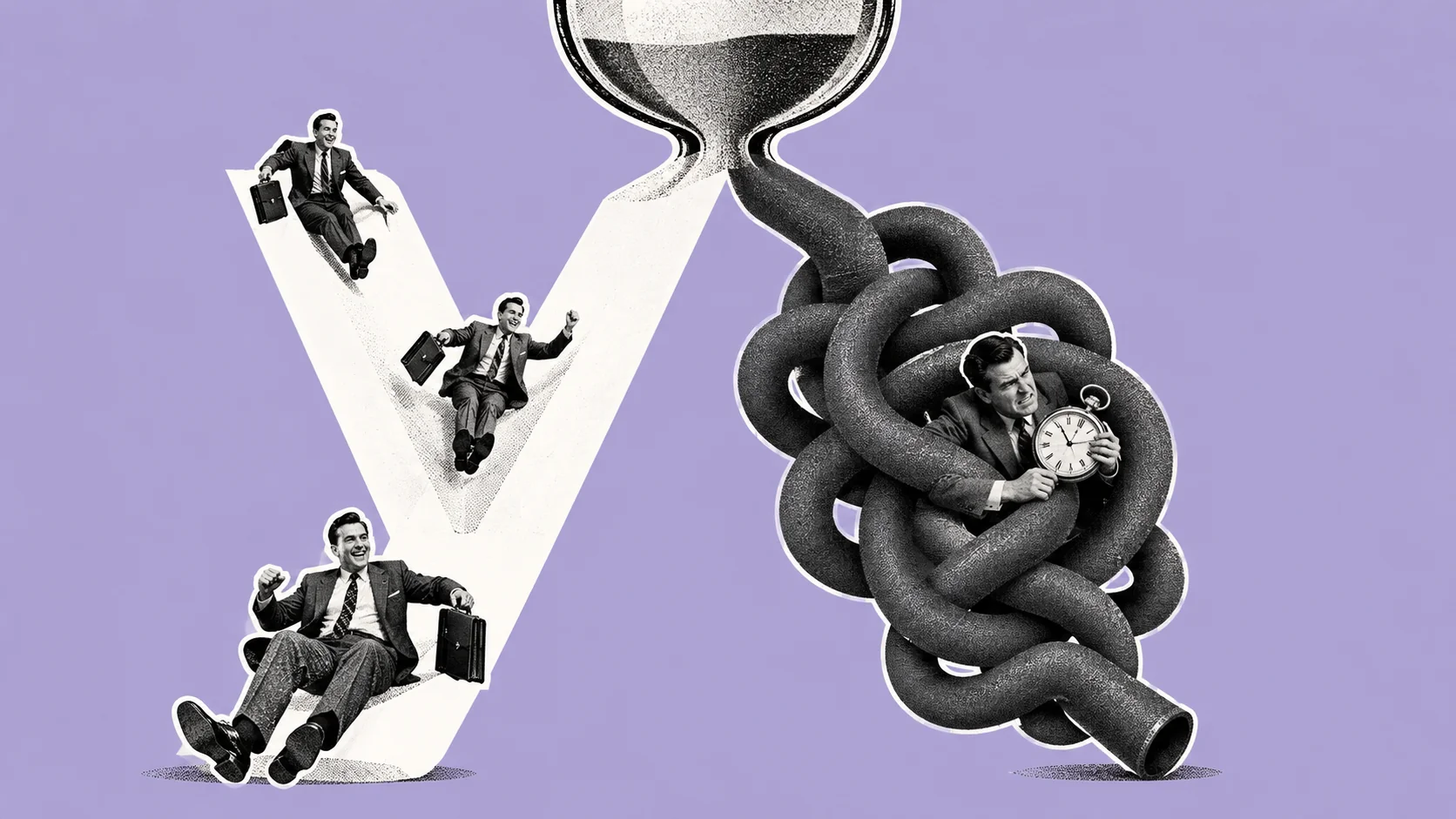
Subchapter V Cases Confirm Plans at More Than Twice the Rate of Other Small Business Chapter 11s
Subchapter V confirmed plans in 52% of small business cases against 23% elsewhere, with a 6.6-month median versus 10.4, per U.S. Trustee Program data.
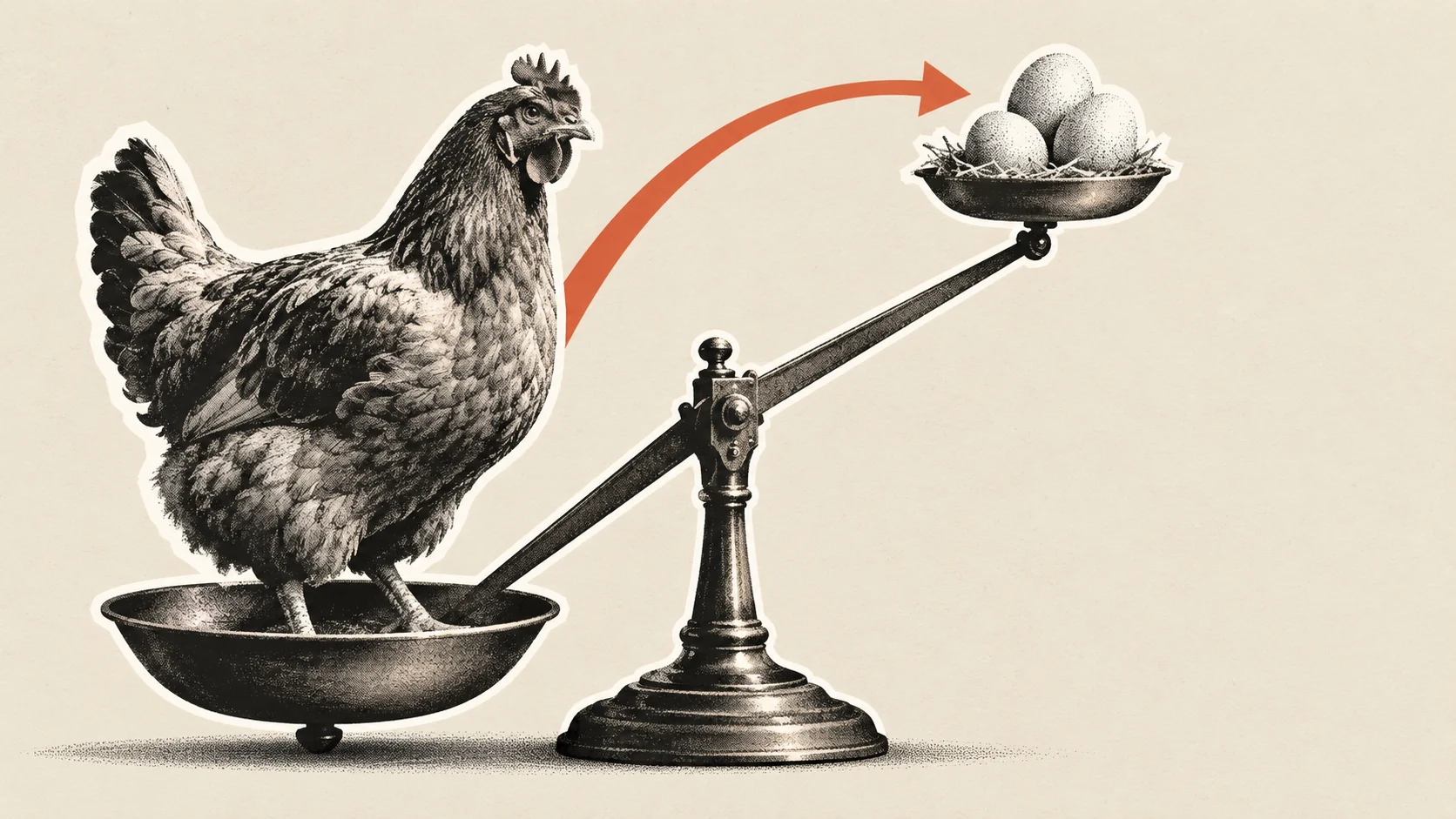
How Two-Sided Platforms Solve the Chicken-and-Egg Problem
Airbnb, Uber, and Etsy each recruited one side of the marketplace first, then let it pull in the other. Here's the sequence, and where it can fail.
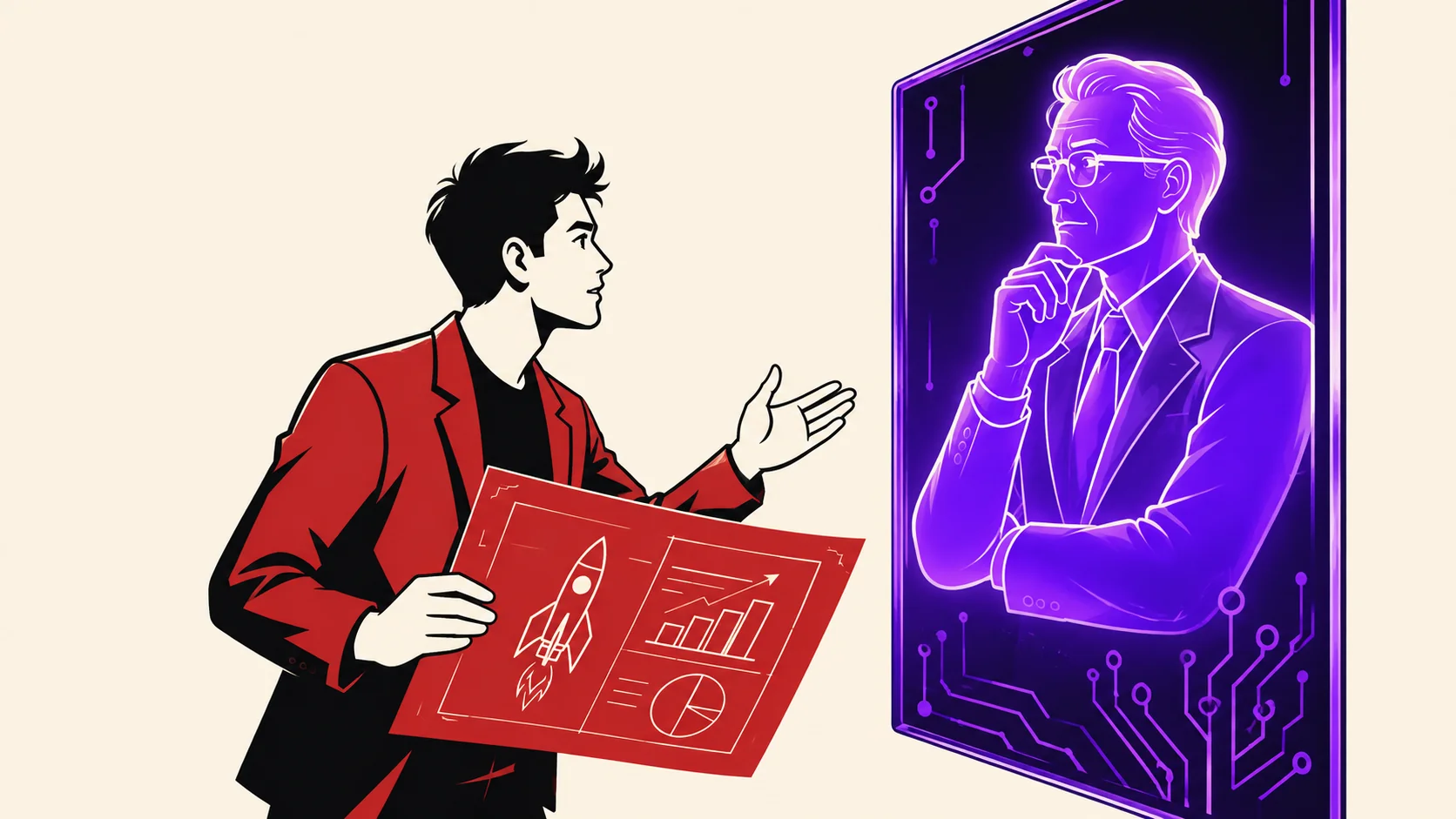
Harvard Built AI Clones of Its Professors to Coach Startups for $699
Harvard Business School's Foundry pairs founders with AI avatars of faculty for $699 — about 1% of a year's full-time MBA tuition, per new reporting.
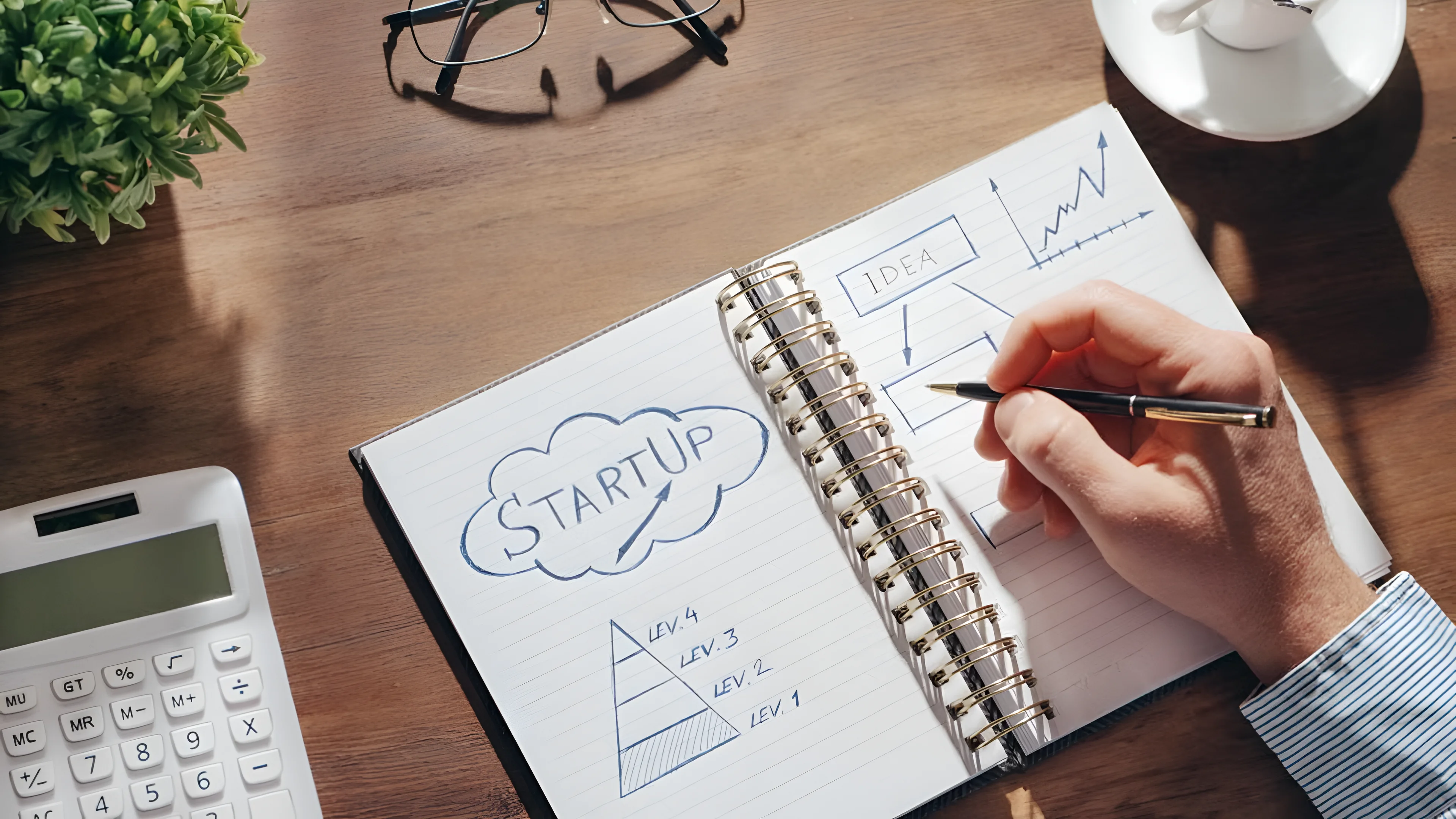
Why 43% of Gen Z Would Rather Found a Company Than Get Hired
Gen Z entrepreneurship is surging in 2026 as AI shrinks entry-level jobs and lowers startup costs, backed by new funding, hiring, and social data.
Comments (0)
Please sign in to join the discussion.
No comments yet.
Be the first to share your perspective on this topic.