President Trump directed the Pentagon to scale back the Ulchi Freedom Shield exercise with South Korea one day before it began, citing his relationship with North Korea's Kim Jong Un and Seoul's refusal to help with Iran. A new report says a stalled $350 billion investment pledge is also part of the calculation.
A Truth Social Post Cuts Ulchi Freedom Shield Days Before It Starts
Trump announced the decision on Truth Social the evening of Aug. 16, writing that his "very good relationship" with Kim Jong Un made him unhappy that the United States had "long ago" agreed to the annual joint exercises. He called the drills costly, mostly funded by the U.S., and said they send a signal "totally inappropriate and hostile" to a North Korea he described as "unthreatening and respectful" throughout his presidency. In the same post he raised, "somewhat unrelated," that he had asked South Korea's president to help with "the Denuclearization of the Islamic Republic of Iran" and been told, "No thanks."
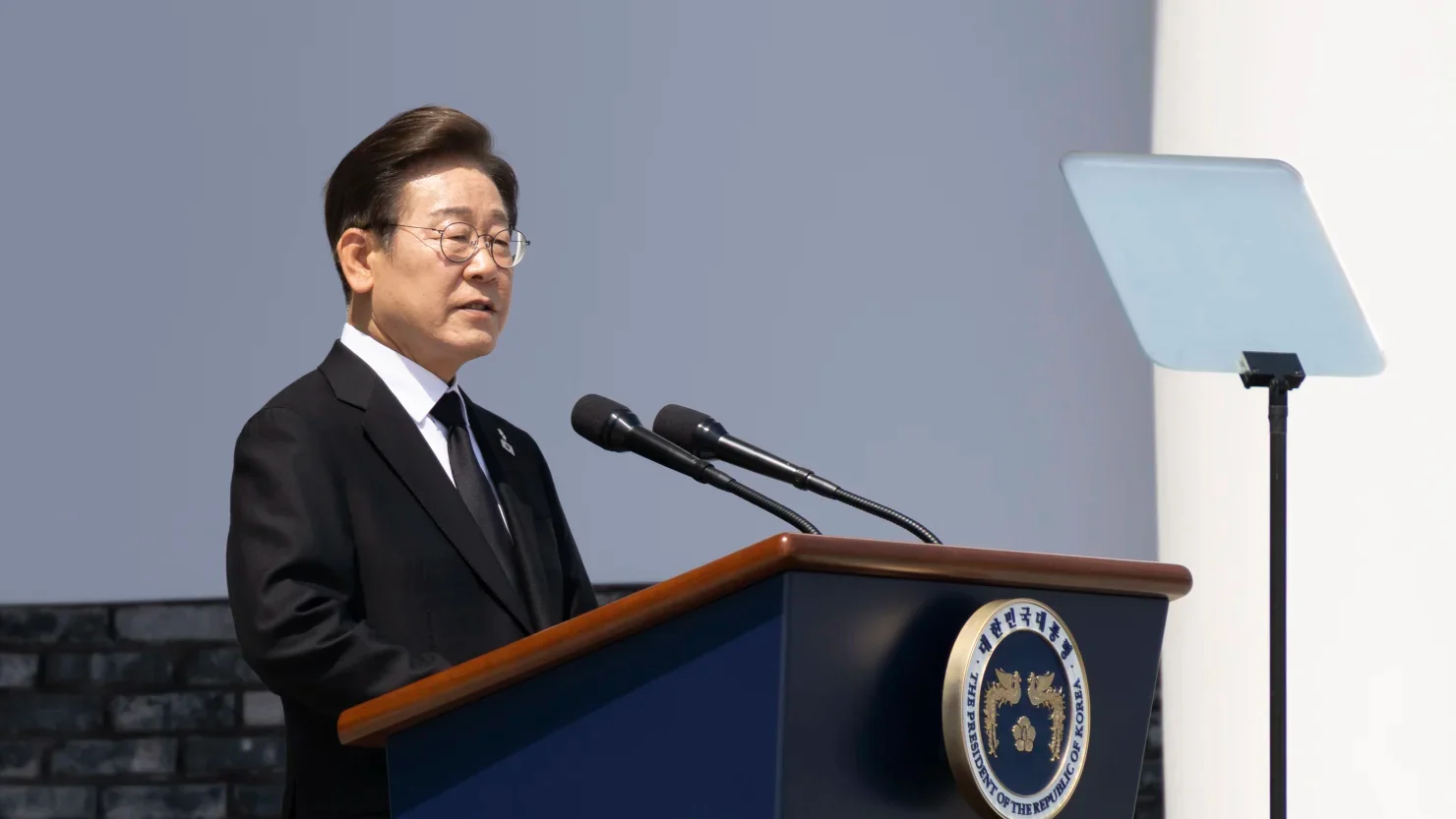
Ulchi Freedom Shield began as scheduled on Aug. 17, scaled back, with roughly 18,000 South Korean troops participating through an Aug. 27 end date. In Oval Office remarks the same day, Trump described asking President Lee Jae Myung directly for "a little hand" on Iran and being turned down, adding that the U.S. would have been paid more under the prior administration's cost-sharing terms.
Lee responded that maintaining peace is "most important" but that South Korea needs to prepare for a "worst-case scenario," while reaffirming that the drills are defensive and not meant to raise tensions with the North. North Korea's foreign ministry had already characterized the exercises, before the cut was announced, as evidence the allies were preparing for "substantial military confrontation," calling them a rehearsal for aggressive war despite their official "annual" and "defensive" description. Sen. Mark Kelly called the reduction "shortsighted and a mistake," and Ewha Womans University professor Leif-Eric Easley said scaling back the drills can damage alliance coordination.
Trump's Troop Number Doesn't Match the Statutory Floor Congress Set
The Oval Office remarks contained a specific figure. Trump told reporters the U.S. has "39,000 soldiers" in South Korea "guarding you from Kim Jong Un." That number does not correspond to any official count. The fiscal year 2026 National Defense Authorization Act, which the Senate passed 77-20 in December 2025, bars the Pentagon from reducing U.S. Forces Korea below approximately 28,500 troops without formal certification and consultation with Seoul, a floor that has held since a 2008 pledge under President George W. Bush. Congressional Research Service reporting and other official figures put the baseline at roughly the same level, while a Defense Manpower Data Center snapshot recorded 26,722 personnel on the peninsula as of Dec. 31, 2025.
This is not the first time a troop figure Trump cited has diverged from the codified count. Earlier in 2026, in remarks about the Strait of Hormuz, he referenced "45,000" troops in South Korea and the same number in Japan, again above the documented USFK baseline. It is unclear whether the "39,000" figure reflects a rounding error, an outdated count, or rhetorical emphasis; no White House statement has clarified the discrepancy.
A Stalled $350 Billion Pledge Sits Behind the Military Decision
The stated rationale was Kim Jong Un and Iran. According to Politico's reporting, people granted anonymity to discuss the relationship said the decision is also driven by "administration-wide economic frustrations" with Seoul, separate from the public explanation. South Korea pledged $350 billion in U.S. investment as part of a July trade deal that lowered tariffs on Korean goods from 25% to 15%, with $150 billion earmarked for shipbuilding cooperation and $200 billion for unspecified strategic investment. A source described to Politico called South Korea "the slowest negotiators ever," pointing to Japan's $550 billion commitment as a contrast.
That contrast holds up against the public record. Japan's investment program announced a first tranche of $36 billion across three projects on Feb. 17, and a second tranche of roughly $73 billion, including small modular reactor construction, was confirmed by the U.S. Commerce Department by March 20. Together, that is close to $109 billion in publicly itemized, named projects. South Korea's $200 billion strategic-investment component has no announced destinations, and talks on its structure remain ongoing. South Korea's National Security Adviser, Wi Sung-lac, has said $350 billion in cash "is objectively and realistically not a level we are able to handle," calling that position a matter of capacity rather than a negotiating tactic. Politico's report also cites U.S. frustration with a Coupang-related regulatory action by South Korea's data-privacy authority as an added irritant, and Seoul's unresolved request for a currency-swap arrangement to offset the investment package's foreign-exchange risk remains a separate open item ahead of the APEC summit in Gyeongju this October.
Neither Trump nor the White House has publicly confirmed the investment pledge as a factor in the drill decision. The connection rests on Politico's sourcing, not an on-the-record administration statement, and the Ulchi Freedom Shield reduction remains, in Trump's own words, tied to Kim Jong Un and Iran. What is on the record is the pace gap itself: South Korea has yet to name a single project under its $200 billion strategic tranche, seven months after Japan named its first three.
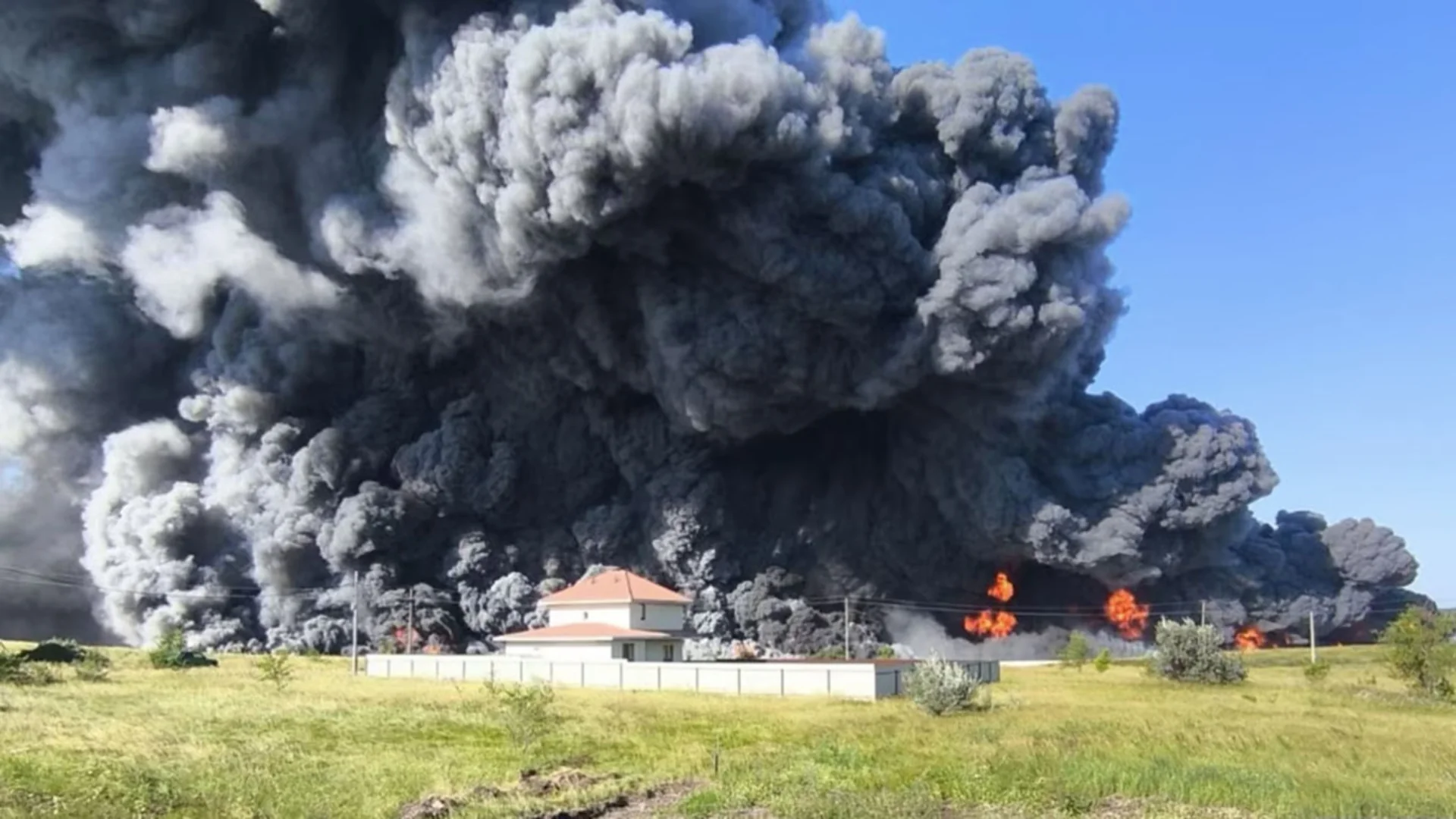
Ukraine's Drone Campaign Has Wiped Out a Fifth of Wildberries' Warehouse Capacity
Ukrainian drone strikes have damaged over 1.18 million square meters of Wildberries warehouse space, pushing Russia's top retailer toward years of losses.
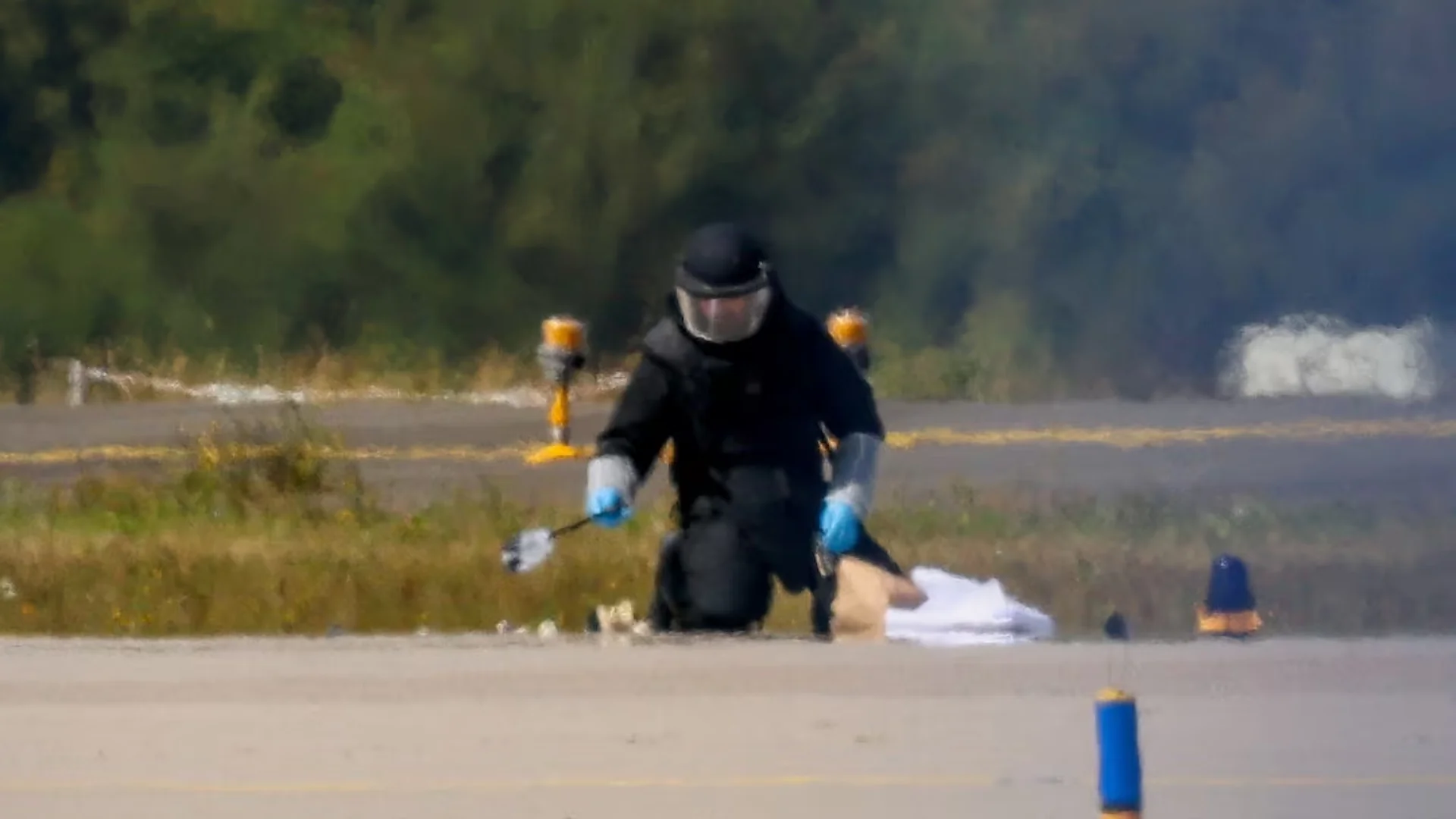
Explosive-Laden Drone Shuts Down Leipzig Airport, Second Object Strikes DHL Cargo Plane
A drone carrying explosives shut both Leipzig/Halle Airport runways overnight after a second object struck a DHL cargo plane, Germany's interior minister said.
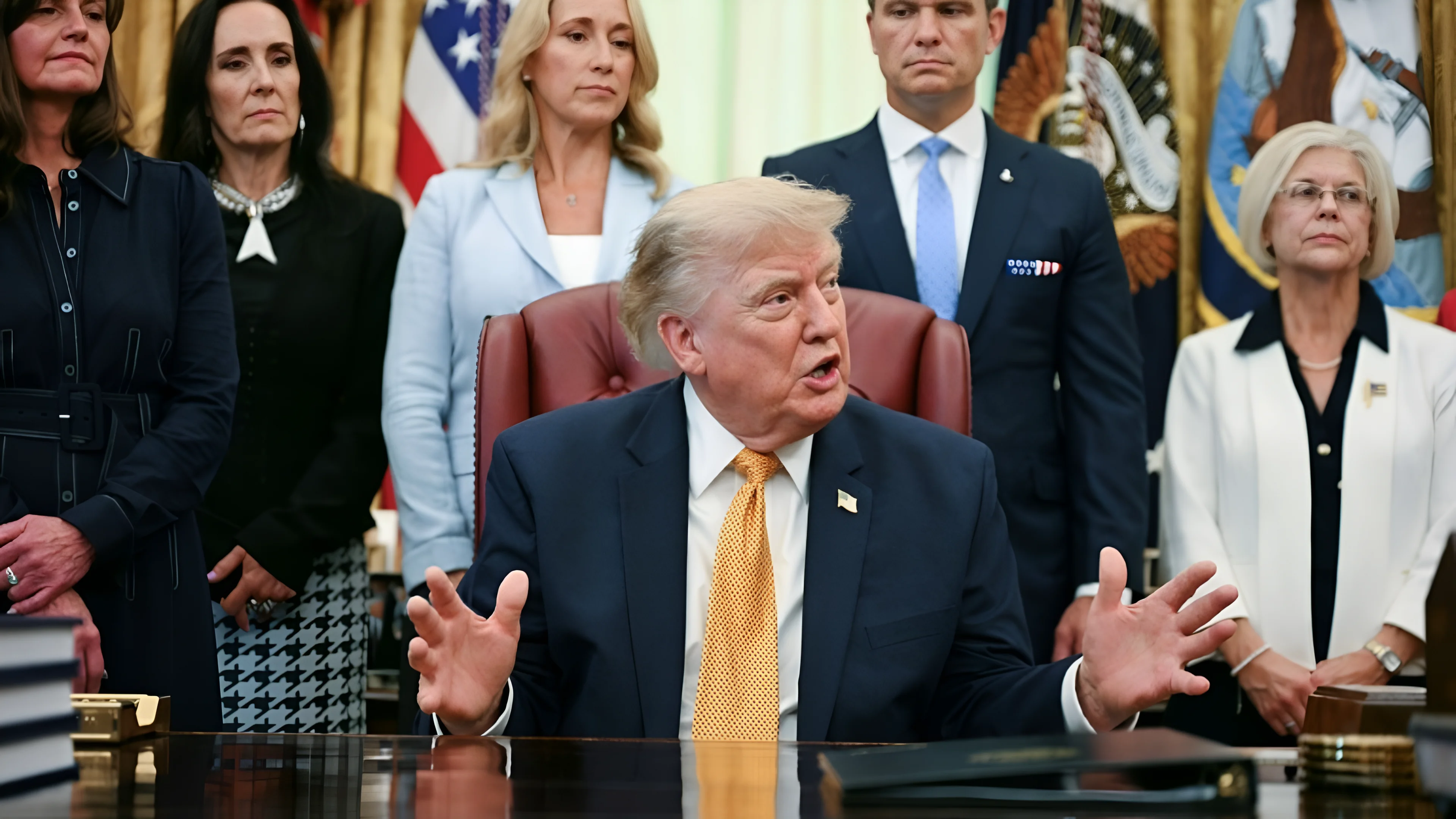
Iran Denies Trump's US Talks Claim as Oil Prices Tumble and Tehran Warns Ships in Hormuz
Brent crude fell 6.8% Monday after Trump said US-Iran talks would resume, but Tehran denies any negotiations are happening and threatens US warships in Hormuz.
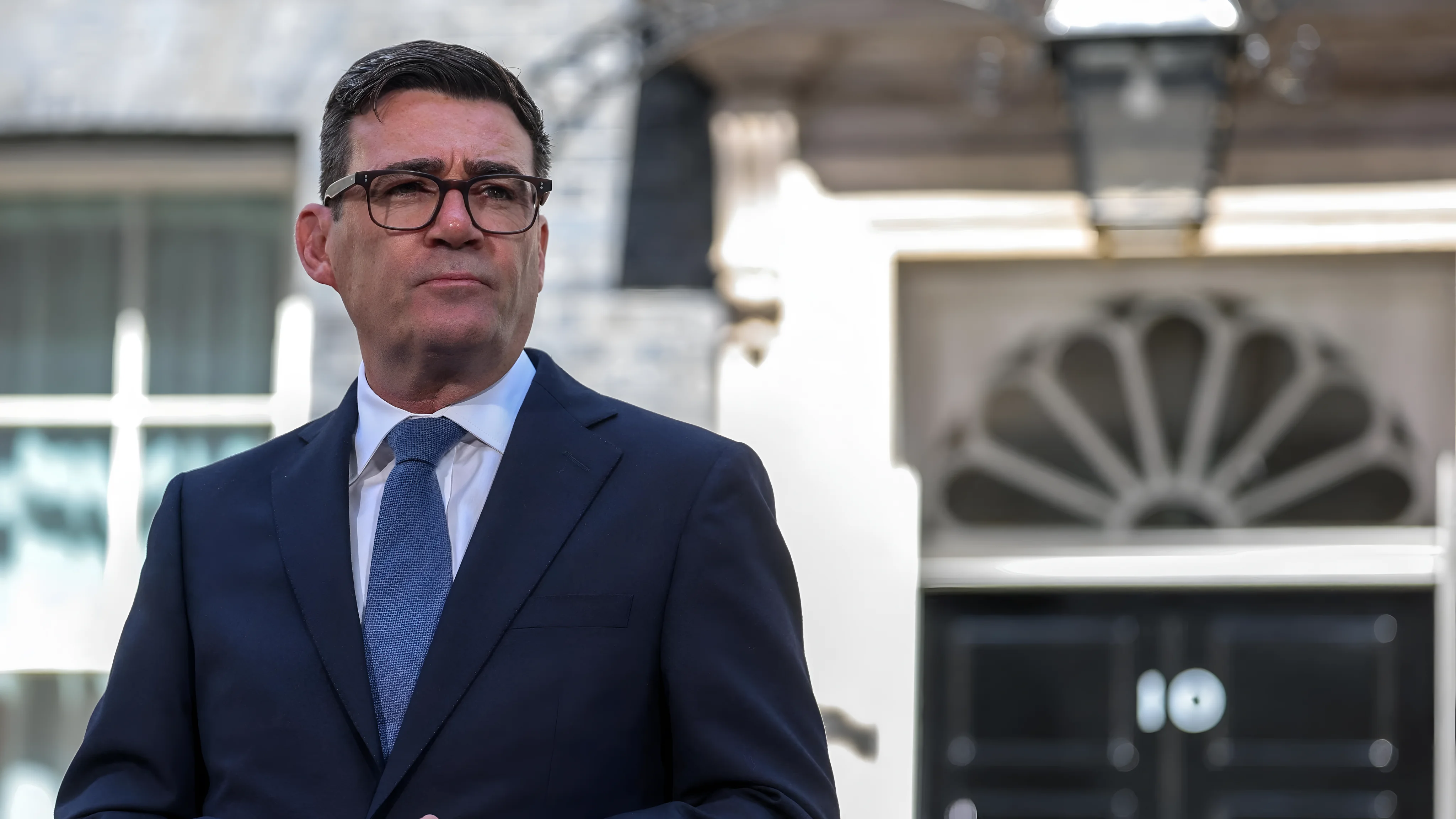
Burnham Hosts Zelensky in First Foreign Visit as UK PM, Pledges £25bn
Andy Burnham hosts Volodymyr Zelensky at a UK naval base in his first week as PM, unveiling Stone Cloak jammer tech and a £25bn Ukraine support total.
Comments (0)
Please sign in to join the discussion.
No comments yet.
Be the first to share your perspective on this topic.