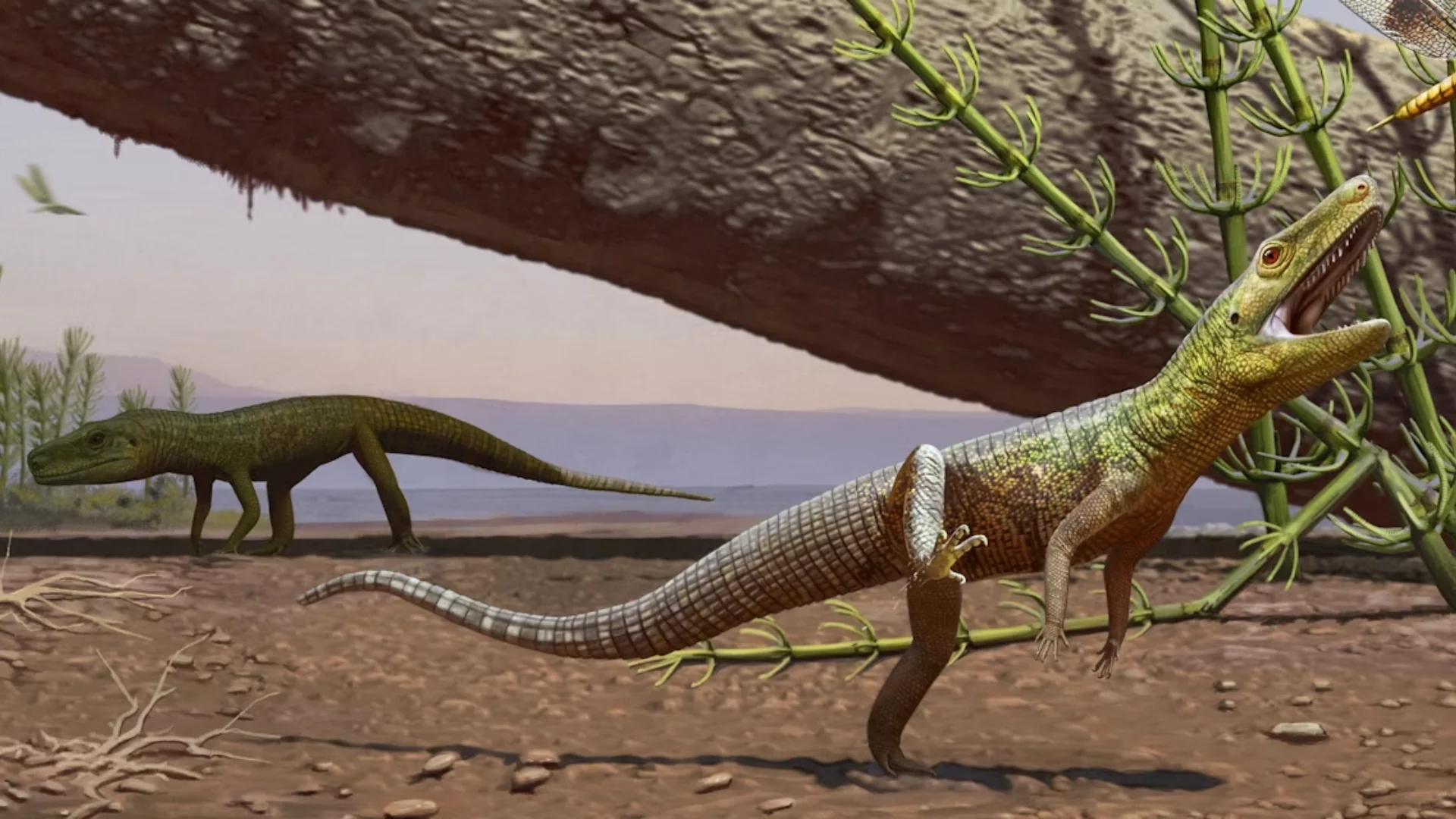
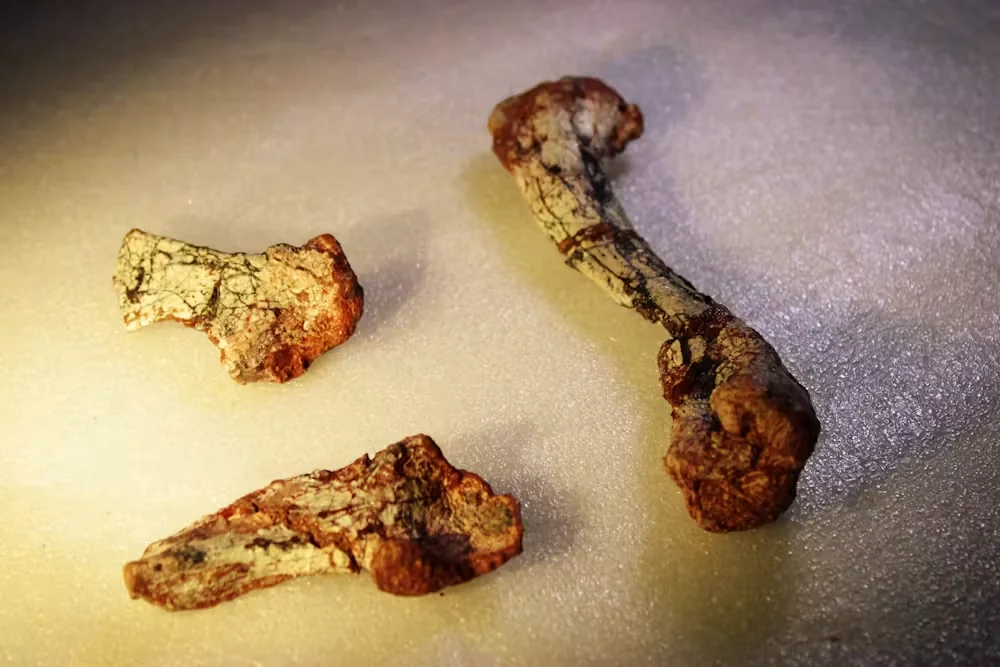
A scapula, an ilium and a femur sat in a Brazilian collection for two decades without a confirmed identity, because the bone fragment carrying their catalog number had gone missing. Once that fragment turned up again, researchers were able to describe a new Middle Triassic reptile, Silescelida acristata, and place it near the root of the lineage that eventually split into crocodiles on one branch and dinosaurs (including birds) on the other.
A Rediscovered Fragment Reopens a 240-Million-Year-Old Case
The holotype, cataloged as MCP 4186-PV, comes from the Posto site in the municipality of Dona Francisca, Rio Grande do Sul, in rocks belonging to the peer-reviewed description and phylogenetic analysis's Pinheiros-Chiniquá Sequence, dated to the Ladinian stage of the Middle Triassic, roughly 240 million years ago. According to the paper, a piece of the femur bearing the specimen's collection code was accidentally lost at some point, which kept researchers from verifying where the bones came from for more than 20 years. The genus name itself records this history: Silescelida combines Latin for "silence" with Greek for "hind leg," a reference to the missing femoral fragment that kept the fossil quiet for so long. During a recent visit to the collection at the Pontifícia Universidade Católica do Rio Grande do Sul, coauthors Maurício Garcia and Gabriela Cerqueira found the missing piece, which let the team confirm the specimen's association and complete the description published on 10 June 2026.
Three Bones Define a New Genus
The holotype consists of only a left scapula, a right ilium and a left femur, found associated with each other and judged to belong to a single individual. The femur is nearly complete and measures 172.9 millimeters along its proximodistal length; the preserved scapular blade runs 48.4 millimeters; the preserved iliac blade reaches 45.2 millimeters, with the acetabulum measuring 21.7 millimeters in height.
The species name, acristata, points to one specific absence: unlike most early relatives of archosaurs, Silescelida's femur lacks any raised crest or flange marking the attachment site for the tail-to-thigh muscle used in locomotion, a trait the authors treat as a local diagnostic feature rather than a trait shared with wider groups. The original explainer on the discovery describes the living animal as small and slender, roughly comparable in size to a small alligator, and likely a predator of smaller animals rather than an apex hunter.
Silescelida's Wobbly Seat on the Family Tree
To work out where Silescelida fits, the team scored it into a matrix of 287 taxa and 919 anatomical characters, one of the latest versions of a long-running project tracking archosauromorph relationships, and ran four separate analyses that varied depending on how a handful of contested taxa were treated. Every analysis placed Silescelida acristata within Eucrocopoda, the grade of archosauriforms whose body plan increasingly resembles the common ancestor of true archosaurs. In some of the resulting trees it lands inside Euparkeriidae, the small and disputed family built around the South African species Euparkeria capensis; in most other trees its position shifts around the base of Eucrocopoda instead. The authors describe this instability as expected, since Euparkeriidae's own membership is still debated among specialists, and treat Silescelida as the first candidate member of that family ever reported from South America, and the first early-diverging eucrocopodan of any kind known from Triassic Brazil.
A Single South American Bone Set Widens Euparkeriidae's Map
Before this description, putative members of Euparkeriidae were known essentially from four regions: South Africa, home to the type species Euparkeria capensis, plus China, Germany, Poland and Russia. None had been reported from South America. Because the Silescelida material shows features consistent with, though not conclusively diagnostic of, this rare and contested family, its discovery in southern Brazil extends the group's known range onto a fifth continent for the first time, an arrangement the authors draw out across the paper's discussion but never present as a single side-by-side comparison. That geographic gap matters because Middle Triassic beds in Brazil have already yielded several other early archosaur relatives from the same general area, including the pseudosuchians Parvosuchus aurelioi and Tainrakuasuchus bellator, which suggests the region has more to reveal about this stretch of reptile evolution than its Northern Hemisphere counterparts have shown so far.
The authors are careful not to overstate the case. Silescelida's link to Euparkeriidae depends on which contested taxa are included in the analysis, and with no skull material preserved, several of the comparisons other researchers would want to make simply aren't possible yet. What the fossil does establish more firmly is that southern Brazil's Middle Triassic rock record still has gaps worth filling, and that a specimen misplaced for two decades can still change how paleontologists map the early branches of the family tree that eventually produced both crocodiles and dinosaurs.

Five Candidate Depression Phenotypes Emerge From MEG Brain Oscillations
MEG depression phenotypes: 263 patients cluster into five oscillation profiles, yet brain–symptom links explain only 3–4% of shared variance in the cohort.
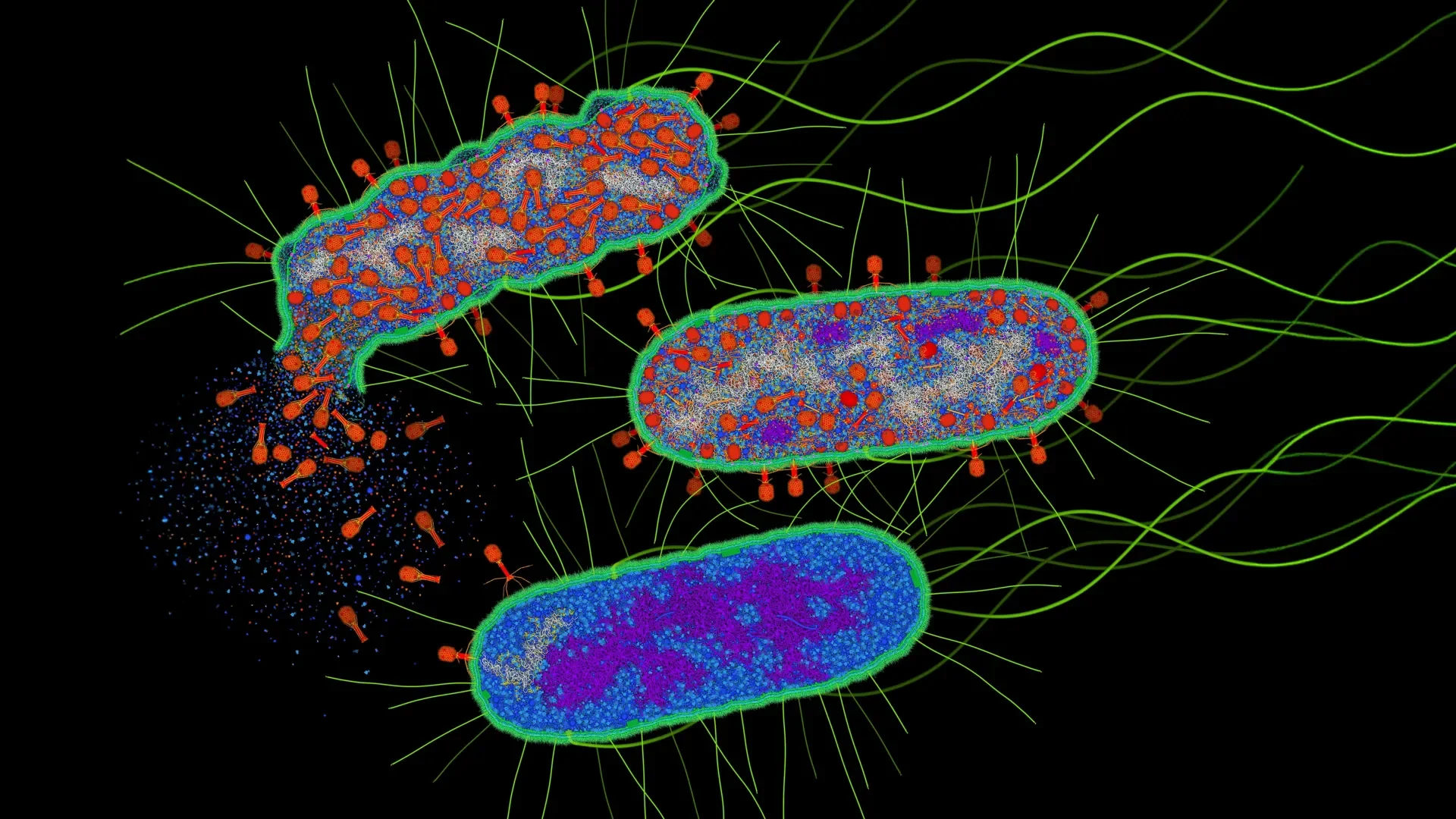
A 30-Amino-Acid Loop Lets Bacteria Detect Phage Proteases and Trigger CBASS Defense
Phage proteases activate CBASS by cutting a ~30-residue loop in bacterial CD-NTase enzymes; a Science study maps the loop across about 24% of operons.
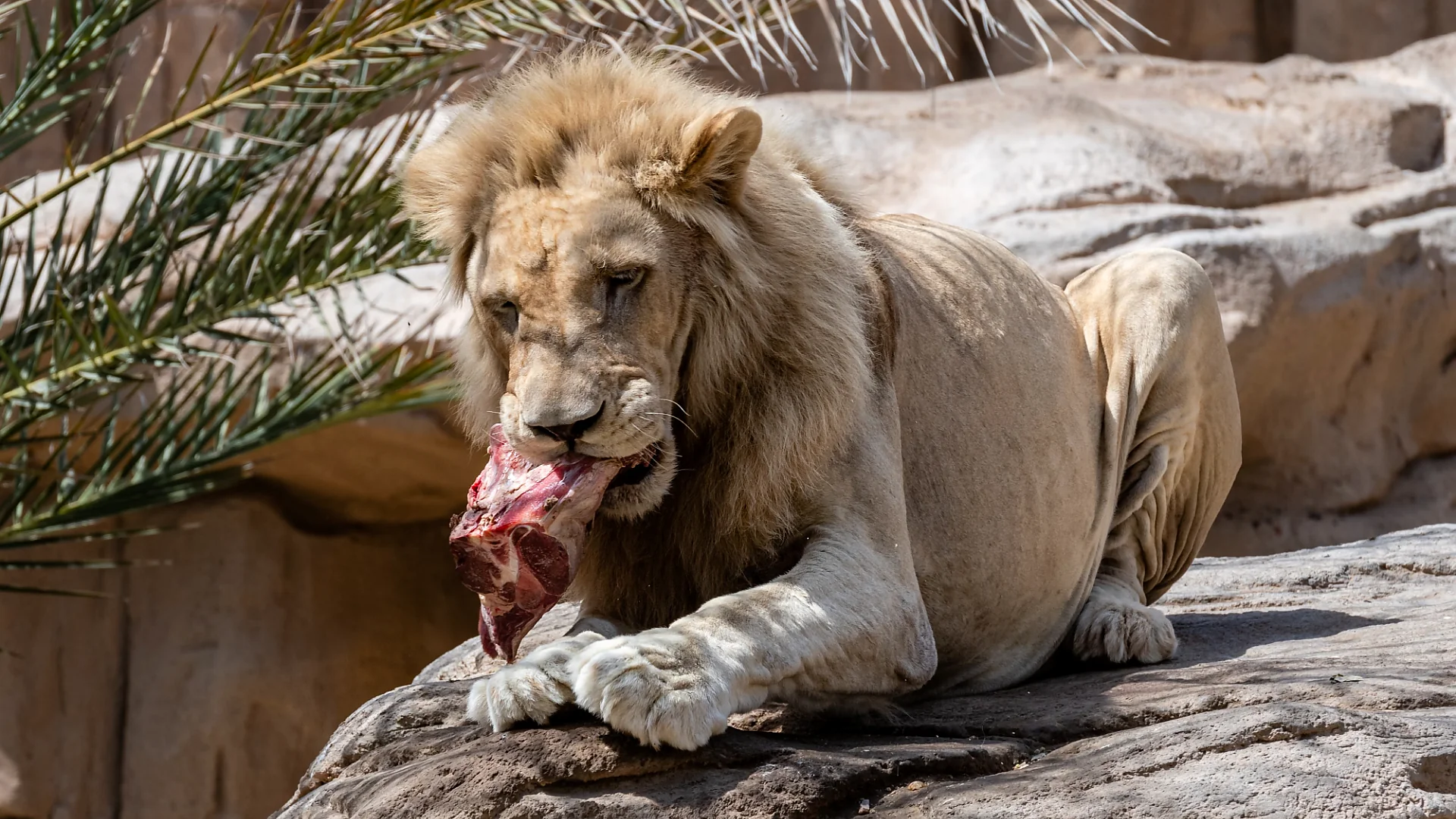
Nine-Day Carcass Feeding Nearly Tripled Zoo Lions' Eating Time and Raised Pacing
Lions at an Australian safari park fed whole carcasses every nine days ate nearly three times longer, rested more, and paced more in month two of a 2026 study.

A Seven-Day Water Fast Moved 1,044 Blood Proteins, and Day 3 Was the Turning Point
A 7-day water fast changed 1,044 blood proteins, few before day 3. A second 2025 cohort shared 49 significant hits with no conflicting direction of change.
Comments (0)
Please sign in to join the discussion.
No comments yet.
Be the first to share your perspective on this topic.