
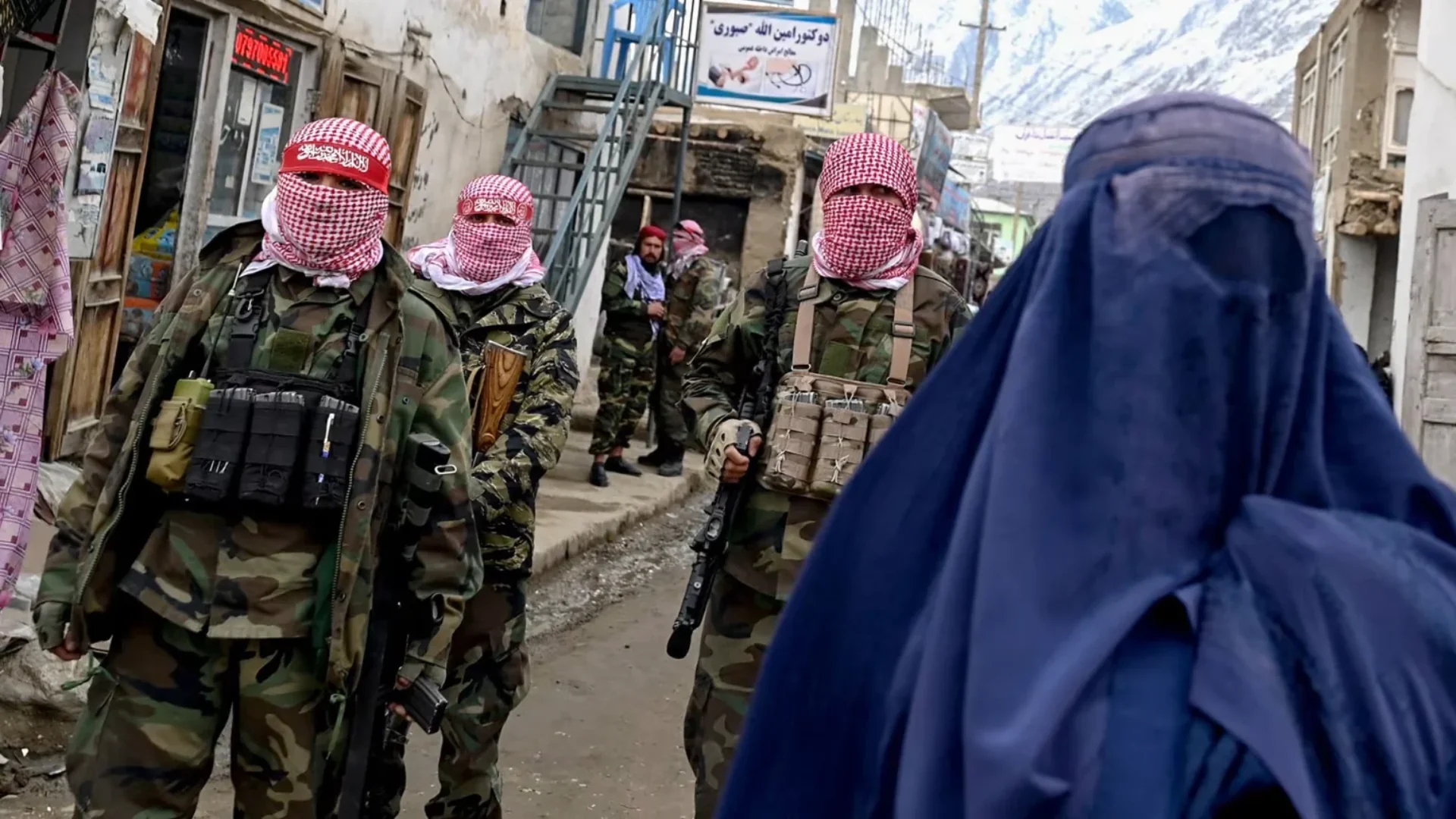
Five years after retaking Kabul, the Taliban still bar girls from secondary school and women from university. UNESCO says the number of excluded girls grew by 200,000 in the past year alone, even as Russia, China and the UAE deepen diplomatic ties with the group.
UNESCO Tracks a Widening Ban on Afghan Girls' Secondary Education
Ahead of the August 15 anniversary of the 2021 takeover, UNESCO said an estimated 2.4 million Afghan girls remain excluded from secondary education, a count that has grown by 200,000 over the past year according to the agency's latest figures. Afghanistan is now the only country that formally bars girls and women from secondary and higher education, UNESCO's program coordinator for education in emergencies told reporters at a video briefing covered by the Associated Press.
The ban traces to March 2022, when the Taliban closed secondary schools to girls above sixth grade months after seizing power; women were barred from universities that December. UNESCO also projects a shortfall of more than 11,000 qualified female teachers by 2030, since the Taliban has separately barred women from teaching boys, leaving many classrooms staffed by untrained male instructors. Left unchanged, the agency estimates the number of excluded girls could approach 4 million by 2030.
Placed side by side, UNESCO's own counts show how steadily that exclusion has climbed.
Taliban Deepen Legal Restrictions With a New Criminal Code
The education ban sits inside a broader legal architecture that Human Rights Watch's five-year assessment calls one of the world's gravest human rights crises. On January 4, 2026, Taliban authorities issued a criminal procedure code that defines Muslims exclusively as adherents of Hanafi jurisprudence, part of what the Global Centre for the Responsibility to Protect counts as more than 230 decrees imposed since August 2021, including the August 2024 "vice and virtue" law restricting women's movement and speech in public.
UN experts said in a statement carried by the UN human rights office that women have been turned away from hospitals for lacking a male guardian or for their attire, and that at least 30 women and girls were jailed in Herat in June 2026 for alleged dress-code violations. The International Criminal Court issued arrest warrants for senior Taliban leaders on gender-persecution charges in July 2025. The UN's Working Group on Discrimination Against Women and Girls has said the pattern of restrictions may amount to gender persecution and gender apartheid.
Russia, China and the UAE Chart Divergent Paths Toward Engaging Kabul
Even as restrictions have hardened, a widening circle of governments has moved to engage with the Taliban administration. The Guardian's reporting on the shift describes campaigners' concern that individual countries' outreach risks undermining a coordinated push for rights improvements, with one regional researcher quoted as saying the Taliban has little appetite for concessions on its domestic agenda.
The steps taken so far vary sharply in weight. China became the first country to accept a Taliban-appointed ambassador's credentials, in January 2024, though Beijing said at the time this did not amount to recognition. The UAE followed in August that year, and several Central Asian states, including Kazakhstan and Turkmenistan, have since accredited Taliban diplomats at a chargé d'affaires level. Russia went further: in July 2025 it formally recognized the Taliban government, becoming the only country to do so, citing energy, transport, agriculture and infrastructure as areas for cooperation, according to RFE/RL's reporting. The European Union has also met with a Taliban delegation, in Brussels in June 2026, to discuss forced returns of Afghans from EU countries.
Humanitarian Needs Deepen as Returnee Flows Strain a Fragile System
The rights picture sits alongside a worsening humanitarian one. A UN Security Council briefing in June 2026 put the number of Afghans requiring assistance this year at 21.9 million, and noted that up to 2.8 million more people could return to Afghanistan in 2026, on top of the 5.9 million who have already returned since 2023, straining communities that already have limited resources. The same briefing separately estimated 3.8 million girls aged seven to 18 are out of school altogether, a broader measure than UNESCO's secondary-only exclusion count above. Human Rights Watch put the share of the population in urgent need of assistance at nearly 40%, and Afghanistan continues to rank last on Georgetown University's Women, Peace, and Security Index, according to legal-affairs outlet JURIST.
The Taliban government, which marks August 15 as an annual "Victory Day" holiday, has not responded to UNESCO's renewed call to lift the education ban, and no policy change has been announced around this year's anniversary.
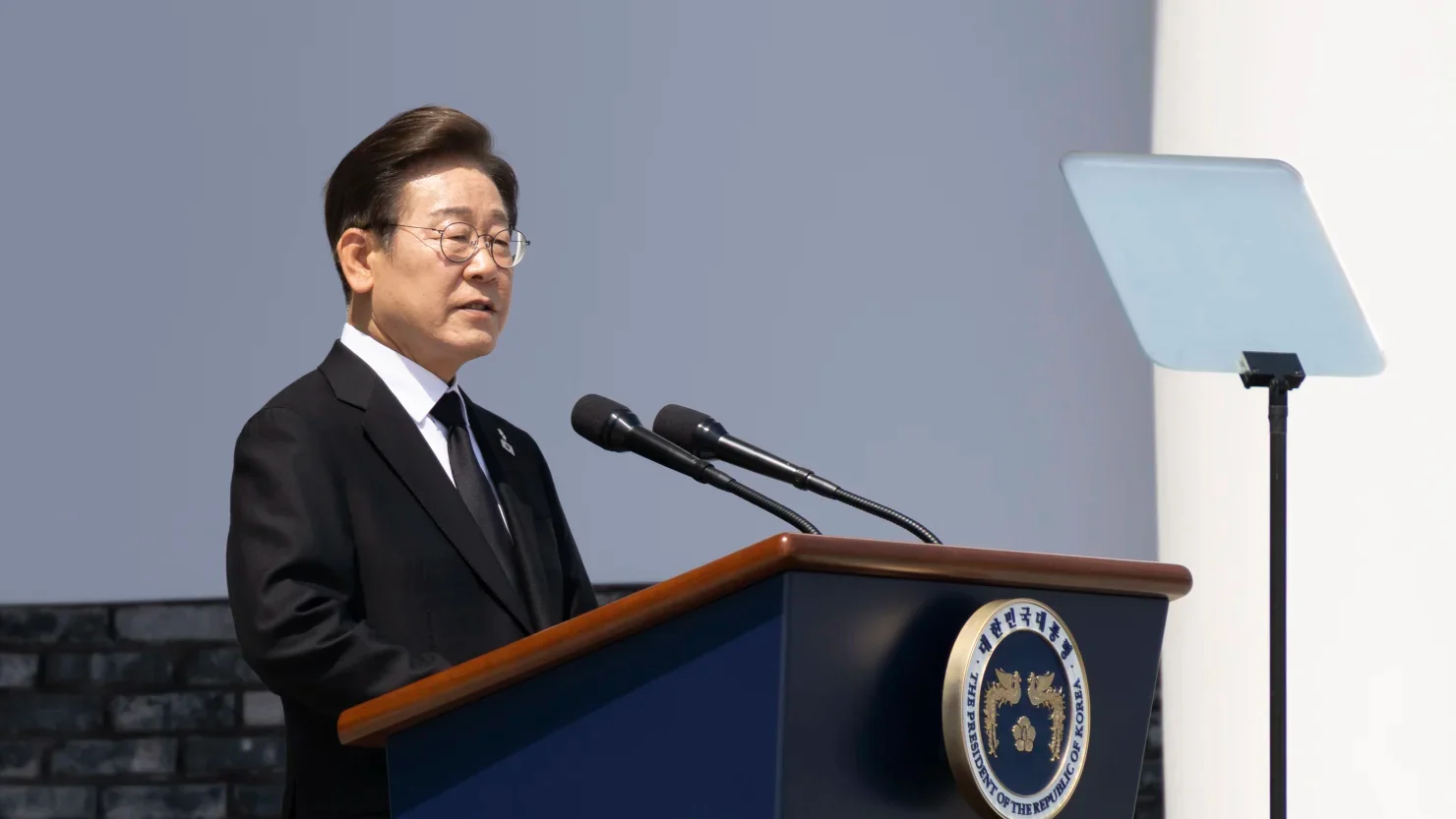
Trump Orders Korea Drill Cuts, Ties Move to Kim Ties and a Stalled $350 Billion Pledge
Trump scaled back Ulchi Freedom Shield citing North Korea ties and Iran refusal, as a new report links the cut to Seoul's slow $350 billion investment pledge.

Inside Han Kuang 42: Taiwan Rehearses a China Blockade, Hidden Tanks and a Drone "Hellscape"
Taiwan's Han Kuang 42 drills tested coast-guard blockade escorts, hidden Abrams tanks and a drone "hellscape," as Chinese ship sightings jumped 83% in June.
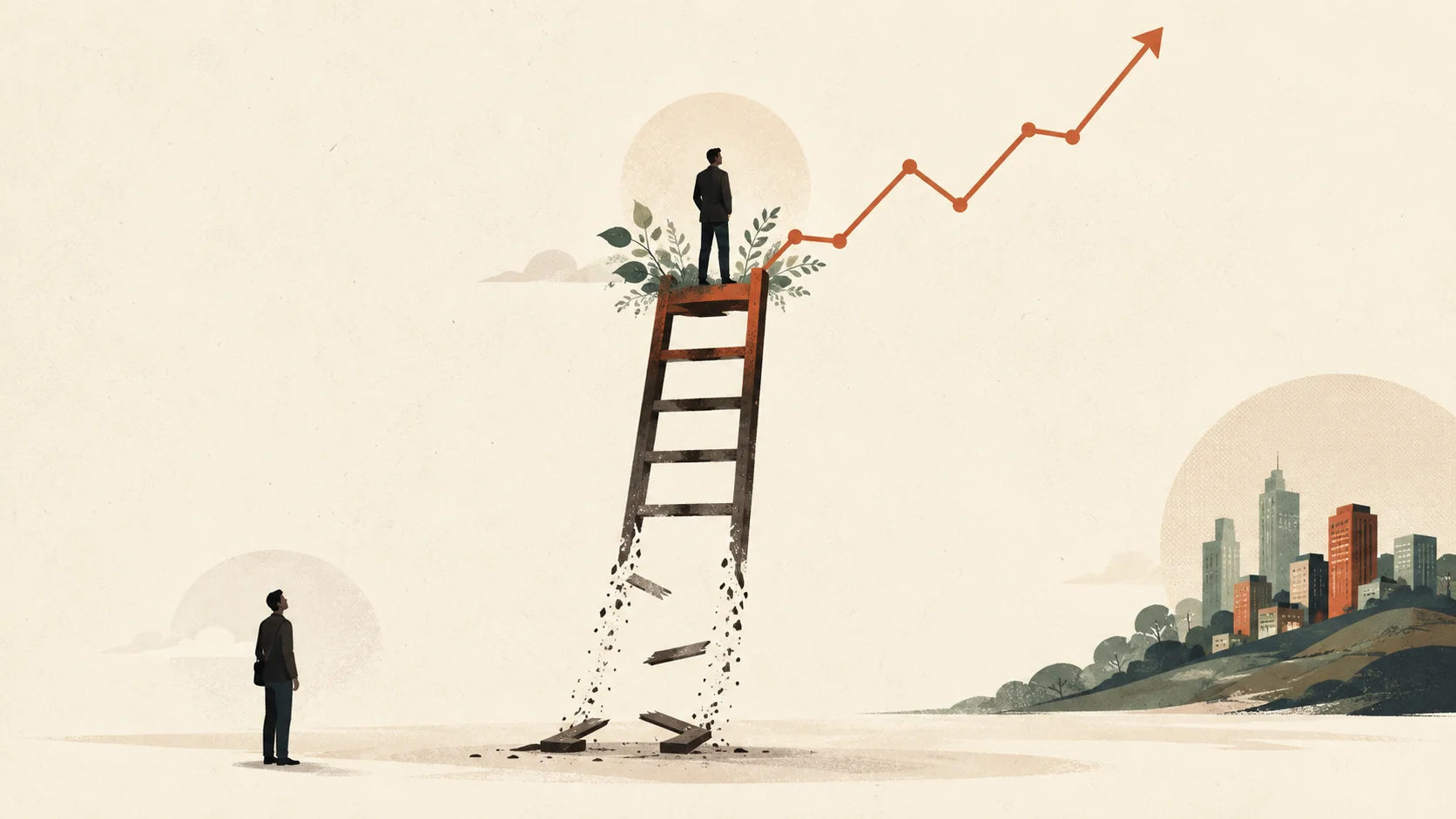
Could AI Create a "Permanent Underclass"? What the Data Actually Shows
Stanford payroll data show AI-exposed 22-25 year-olds losing jobs at 3.8% a year, while wages diverge by income. What that means for a 'permanent underclass.'

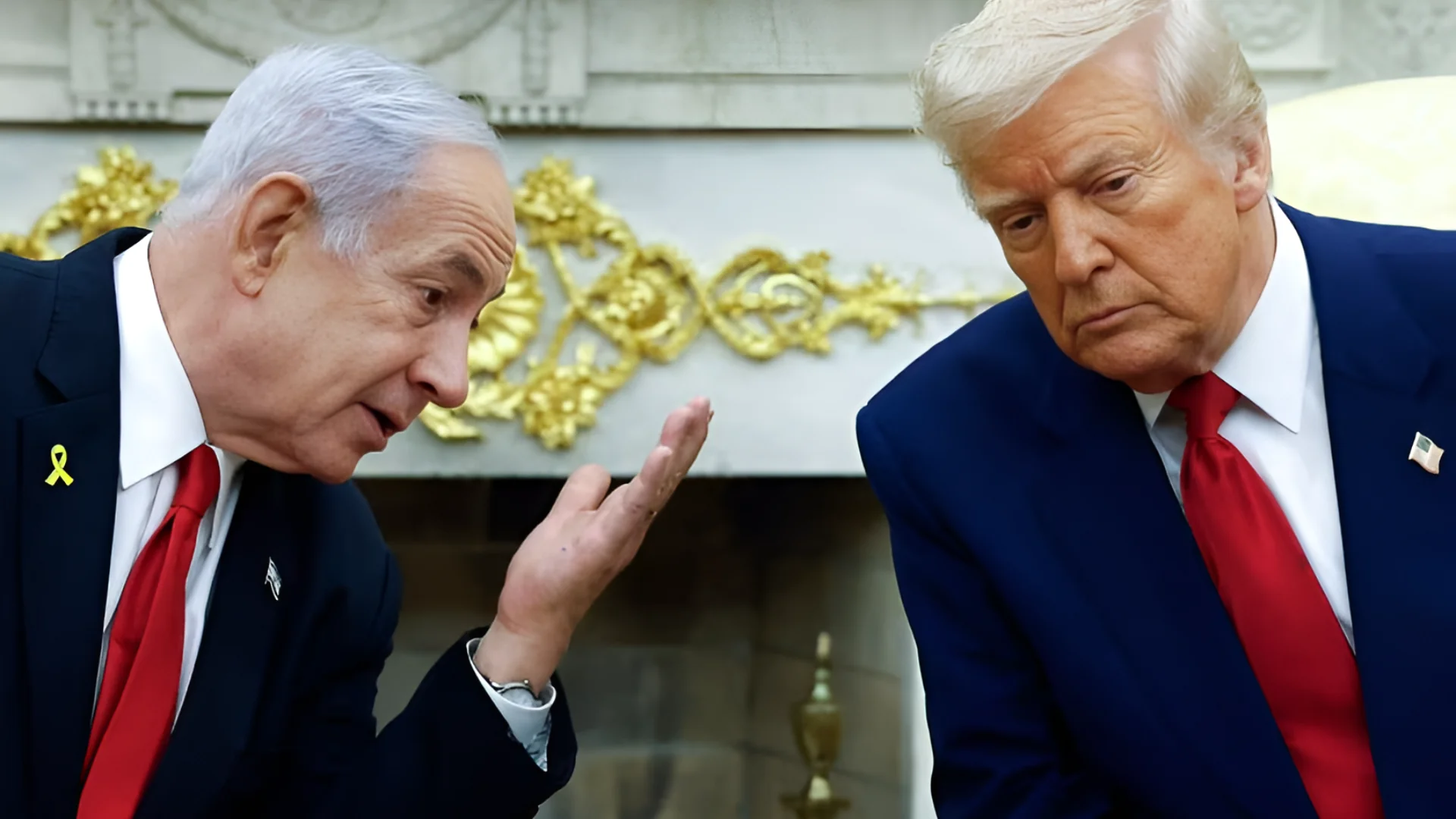
Netanyahu Rejects Trump-Backed Gaza Plan, Citing Disarmament Sequence
Israel's PM rejected the U.S.-backed 15-point Gaza plan Sunday, demanding Hamas disarm fully before any IDF withdrawal, deepening a sequencing standoff.

Comments (0)
Please sign in to join the discussion.
No comments yet.
Be the first to share your perspective on this topic.